

Track 1A
(Software Defined Vehicles & Digital Experience)09:00AM - 5:20PM
Vehicle software architecture, SDV transition, digital cockpit, UX innovation.
- - Software-Defined Vehicle (SDV)
- - Vehicle OS & Middleware
- - Over-the-Air (OTA) Updates
- - Digital Twin & Model-Based Engineering
- - Virtual Validation / Simulation
- - Automotive Cloud & DevOps
- - In-Vehicle Infotainment (IVI)
- - Human-Machine Interface (HMI)
- - User Experience (UX) & Personalization
- - Engineering Collaboration & Lifecycle Management
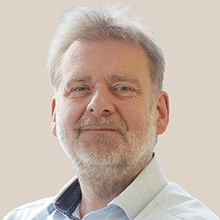
Vice President, ETAS GmbH
- Speaker ㅣ 강사소개
-
After his PhD in Computer Science (TH Karlsruhe) Mr. Zerfowski joined the Robert Bosch GmbH. His more than 25 years’ experience in the automotive industry covers software engineering in different application domains (body electronics including electrical drives, brake systems, park assist). During 2009-2012 Mr. Zerfowski established an engineering section for the Bosch division Automotive Electronic at India. Afterwards he took over the position of the Managing Director of the 100% Bosch subsidiary ETAS Automotive India Prv. Ltd. From 2015 till 2018 Mr. Zerfowski was with a Bosch corporate technology department and was responsible for the Bosch corporate SW strategies in the automotive domain. Since 2018 he is with the Bosch daughter ETAS GmbH in the position of Vice President Engineering Excellence.
데틀레프 제르포프스키(Detlef Zerfowski) 박사는 독일 카를스루에 공과대학교(TH Karlsruhe)에서 컴퓨터공학 박사 학위를 취득한 후 Bosch와 ETAS에서 25년 이상의 경력을 쌓은 자동차 소프트웨어 분야의 노련한 전문가다. 그는 전기 드라이브를 포함한 바디 일렉트로닉스, 브레이크 시스템, 주차 보조 시스템 등 다양한 애플리케이션 영역의 소프트웨어 엔지니어링을 담당해 왔다.
2009년부터 2012년까지 인도에 Bosch 오토모티브 일렉트로닉스 부문의 엔지니어링 조직 설립을 주도했으며, 이후 Bosch의 100% 자회사인 ETAS Automotive India Pvt. Ltd.의 대표이사(Managing Director)를 역임했다. 2015년부터 2018년까지 Bosch 본사의 기술 부서(Bosch Corporate Technology)에서 근무하며 자동차 분야의 Bosch 그룹 소프트웨어 전략을 총괄했다. 2018년부터는 Bosch 자회사인 ETAS GmbH에서 Engineering Excellence 부문 부사장으로 재직 중이다.
- Abstract ㅣ 초록정보
-
Over past years many OEM tried to develop and establish their own middleware solutions. Most of OEM recognized that proprietary solution might not scale within single companies. Therefore new collaborative approaches based on open source enter the automotive domain.
During the keynote we will present different archetypes of automotive software and their underlying middleware stacks, as well as AI powered development toolchains. For the domain of high-performance vehicle computers, we will present the Eclipse S-Core project and its usage in safety critical automotive applications. Additionally, we will introduce the Eclipse Foundation and discuss, how open source based software stacks tackle the maintenance challenge (especially regarding security) for automotive specific long term product lifecycles.
In this context we consider required cultural changes in the industry. Companies, which will adapt to the change, will see benefits in less complexity, less costs, higher quality, higher development speed, etc.지난 몇 년간 많은 완성차 업체(OEM)들은 독자적인 미들웨어 솔루션을 개발하고 정착시키고자 노력해왔습니다. 그러나 대부분의 OEM들은 독자적인 솔루션이 단일 기업 내에서도 확장성을 확보하기 어렵다는 점을 깨달았습니다. 이에 따라 오픈소스 기반의 새로운 협업 방식이 자동차 산업에 본격적으로 도입되고 있습니다.
본 기조강연에서는 다양한 자동차 소프트웨어 아키타입과 이를 구성하는 미들웨어 스택, 그리고 AI 기반 개발 툴체인을 소개합니다. 특히 고성능 차량 컴퓨터(HPC) 영역에서, Eclipse S-Core 프로젝트와 이 프로젝트가 안전 필수(safety-critical) 자동차 애플리케이션에 어떻게 활용되는지 공유하고자 합니다.
또한 Eclipse Foundation을 소개하고, 오픈소스 기반 소프트웨어 스택이 자동차 산업 특유의 장기 제품 수명주기에서 유지보수, 특히 보안 측면의 과제를 어떻게 해결할 수 있는지를 논의할 것입니다. 마지막으로 이러한 변화와 함께 산업 전반에 요구되는 문화적 변화도 함께 짚어봅니다. 변화에 적응하는 기업은 복잡성 감소, 비용 절감, 품질 향상, 개발 속도 향상 등의 이점을 누리게 될 것입니다.
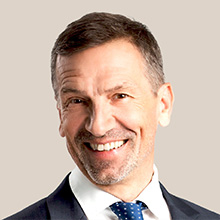
VP System Incubation & CTO, TrustMotion
- Speaker ㅣ 강사소개
-
Dr. Stefan Poledna is CTO of TrustMotion (formerly TTTech Auto) and Head of System Incubation. He is a co-founder of the company and brings more than 30 years of international experience in automotive systems and software development.
He has played a key role in shaping the company’s technology roadmap and driving innovation in automotive safety and software architecture. His leadership has been widely recognized in the industry, particularly for advancing foundational technologies such as safety middleware platforms for early ADAS domain controller architectures.
He has authored and co-authored more than 80 patents and several publications. He received his M.Sc. and Ph.D. degree in computer science with distinction from Vienna University of Technology, where he also lectures on Dependable Computer Systems.스테판 폴레드나(Stefan Poledna) 박사는 TrustMotion(구 TTTech Auto)의 CTO이자 시스템 인큐베이션(System Incubation) 책임자이다. 그는 회사의 공동 창립자로서 자동차 시스템 및 소프트웨어 개발 분야에서 30년 이상의 국제적인 경험을 보유하고 있다.
그는 회사의 기술 로드맵을 수립하고 자동차 안전 및 소프트웨어 아키텍처 혁신을 주도하는 데 핵심적인 역할을 해 왔다. 그의 리더십은 업계에서 널리 인정받고 있으며, 특히 초기 ADAS 도메인 컨트롤러 아키텍처를 위한 안전 미들웨어 플랫폼 등 기반 기술 발전을 이끈 인물로 높이 평가받고 있다.
또한 그는 80건 이상의 특허를 단독 또는 공동으로 출원했으며, 다수의 논문을 발표했다. 비엔나 공과대학교(Vienna University of Technology)에서 컴퓨터공학 석사 및 박사 학위를 우수한 성적으로 취득했으며, 동 대학에서 신뢰성 컴퓨터 시스템(Dependable Computer Systems) 과목을 강의하고 있다.
- Abstract ㅣ 초록정보
-
Compute architectures within robotics and mobility are experiencing substantial transformation. The industry has shifted from distributed control systems toward centralized, heterogeneous platforms tailored to advance Physical AI. This transition, initially prevalent in the automotive sector, is now influencing the broader field of robotics. Robotics applications demand robust high-bandwidth sensor fusion and ultra-low-latency actuation. Contemporary humanoid and autonomous mobile robots generate vast amounts of sensor data—often multiple gigabytes per second. Traditional CPU-based controllers are increasingly inadequate for managing such significant data throughput.
Historically, legacy computing infrastructure in robotics and mobility was fragmented and inflexible, depending on serialized processing via federated MCUs and industrial PLCs for real-time operations, thereby lacking parallelism. This environment was dominated by monolithic hardware-software solutions, often requiring ECU replacements for system upgrades, while earlier frameworks like ROS1 suffered from pronounced latency in multiprocess communication.
In contrast, modern computing architectures are designed to accommodate the substantial bandwidth generated by LiDAR, high-resolution cameras, and the parallel processing requirements of deep learning, Vision-Language-Action models, and end-to-end AI systems in both robotics and mobility. These systems frequently deploy heterogeneous Systems on Chip (SoCs) that integrate CPUs, GPUs, NPUs, and dedicated accelerators. Such advancements enable centralized and zonal computing nodes interconnected via Ethernet. Software frameworks like ROS2 further optimize performance through shared memory transport mechanisms.
This evolution necessitates concurrent advancements in software architecture, moving beyond monolithic deployments limited to real-time operating systems. Our experience demonstrates that these environments require platforms which supplement the operating system with advanced scheduling and communication capabilities, ensuring reliable execution and inter-component communication even amid complex dependency graphs.
To fully leverage the benefits of these architectures, an additional abstraction layer is essential: middleware platforms that decouple application logic from hardware topology, unifying communication, timing, and deployment across zonal and centralized nodes. By managing these aspects at the platform level, development teams can redirect efforts from infrastructure integration to enhancing system-level functionality, thereby reducing integration cycles, accelerating time to market, and supporting ongoing software evolution.
Increasingly, such middleware platforms are recognized as pivotal enablers for bridging the diversity of hardware architectures with the rapid innovation required in modern humanoids and autonomous vehicles. They deliver a standardized layer for communication, timing, and deployment, empowering applications to be developed and deployed independently of underlying hardware. This abstraction streamlines feature integration and fosters both scalability and long-term maintainability.로보틱스 및 모빌리티 분야의 컴퓨팅 아키텍처는 현재 큰 변화를 겪고 있습니다. 산업 전반은 분산형 제어 시스템에서 Physical AI 구현에 최적화된 중앙집중형 이기종 플랫폼으로 빠르게 전환되고 있습니다. 이러한 변화는 자동차 산업에서 먼저 시작됐으며, 이제 로보틱스 분야 전반으로 확산되고 있습니다. 로보틱스 애플리케이션은 고대역폭 센서 융합과 초저지연 액추에이션을 요구합니다. 최근 휴머노이드 및 자율이동로봇(AMR)은 초당 수 기가바이트에 달하는 방대한 센서 데이터를 생성하고 있으며, 기존 CPU 기반 제어기는 이러한 데이터 처리량을 감당하는 데 한계를 드러내고 있습니다.
과거 로보틱스 및 모빌리티 분야의 컴퓨팅 인프라는 분산된 MCU와 산업용 PLC 기반의 직렬 처리 구조에 의존해왔으며, 병렬 처리에 적합하지 않은 파편화되고 유연하지 않은 구조였습니다. 또한 하드웨어와 소프트웨어가 긴밀히 결합된 모놀리식 구조가 일반적이어서 시스템 업그레이드를 위해 ECU 자체를 교체해야 하는 경우가 많았습니다. 초기 프레임워크인 ROS1 역시 프로세스 간 통신 지연 문제가 컸습니다.
반면 최신 컴퓨팅 아키텍처는 LiDAR, 고해상도 카메라, 딥러닝, Vision-Language-Action 모델, 엔드투엔드 AI 시스템이 요구하는 대규모 데이터 대역폭과 병렬 연산을 수용하도록 설계되고 있습니다. 이를 위해 CPU, GPU, NPU 및 전용 가속기를 통합한 이기종 SoC(System on Chip)가 활용되며, Ethernet 기반으로 연결된 중앙집중형 및 조널(zonal) 컴퓨팅 노드 구조가 도입되고 있습니다. ROS2와 같은 소프트웨어 프레임워크는 공유 메모리 기반 전송 메커니즘을 통해 성능을 더욱 최적화합니다. 이러한 변화는 소프트웨어 아키텍처 측면에서도 발전을 요구하고 있습니다. 단순 실시간 운영체제 기반의 모놀리식 구조를 넘어, 고급 스케줄링 및 통신 기능을 제공하는 플랫폼이 필요합니다. 이는 복잡한 의존성 구조에서도 안정적인 실행과 컴포넌트 간 통신을 보장하기 위해서입니다.
또한 이러한 아키텍처의 장점을 극대화하기 위해서는 애플리케이션 로직과 하드웨어 토폴로지를 분리하는 미들웨어 플랫폼이 필수적입니다. 이러한 플랫폼은 중앙집중형 및 조널 노드 전반에서 통신, 타이밍, 배포를 통합 관리함으로써 개발팀이 인프라 통합보다 시스템 기능 개발에 집중할 수 있도록 지원합니다. 그 결과 통합 기간 단축, 시장 출시 기간 단축, 지속적인 소프트웨어 진화 지원이 가능해집니다.
최근 이러한 미들웨어 플랫폼은 다양한 하드웨어 아키텍처와 빠른 혁신이 요구되는 휴머노이드 및 자율주행차 환경을 연결하는 핵심 요소로 주목받고 있습니다. 이들은 통신, 타이밍, 배포를 위한 표준화된 계층을 제공함으로써 애플리케이션이 하드웨어에 종속되지 않고 독립적으로 개발 및 배포될 수 있도록 지원합니다. 이러한 추상화는 기능 통합을 단순화하고 확장성과 장기 유지 보수성을 향상시킵니다.
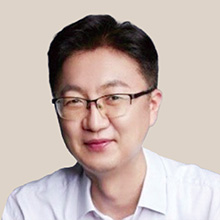
Global-CTO, AutoCrypt
- Speaker ㅣ 강사소개
-
Eui-seok Kim is a vehicle security expert and serves as the head of domestic and global automotive security business at AutoCrypt, a company specializing in autonomous driving and automotive cybersecurity.
김의석 사장은 차량 보안 전문가로, 자율주행 및 자동차 사이버 보안 기업인 아우토크립트(AUTOCRYPT)의 국내외 차량 보안사업 총괄을 맡고 있다.
- Abstract ㅣ 초록정보
-
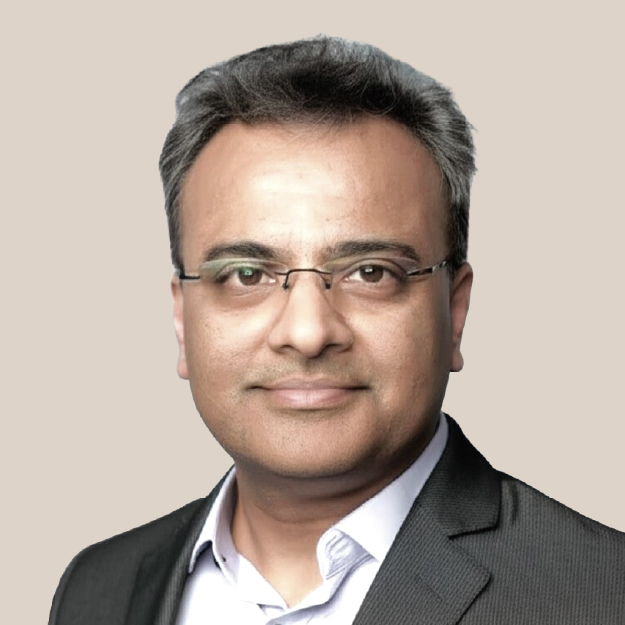
Chief Commercial Officer, Commercial Organization, Elektrobit
- Speaker ㅣ 강사소개
-
Arvind Murthy is Chief Commercial Officer at Elektrobit, an award-winning and trusted partner in the transition to the software-defined vehicle (SDV). He has over 30 years of leadership experience, transforming global revenue growth strategies across multiple industries like Automotive, Manufacturing, and Hi-Tech. Previously, Arvind was Chief Revenue Officer at TAO Digital Solutions. Prior to that he held a Director Position at Amazon Web Services (AWS) for Partner Strategy & Sales and served in various leadership positions at GlobalLogic, Prodapt and Wipro Technologies. Arvind has a Bachelor of Engineering (B.E.) in Electronics & Communications from Bangalore University.
아르빈드 머시(Arvind Murthy)는 SDV 전환 분야에서 수상 경력을 자랑하는 신뢰받는 파트너 기업인 일렉트로비트의 최고상업책임자(CCO)이다. 그는 자동차, 제조, 하이테크 등 다양한 산업 전반에 걸쳐 글로벌 매출 성장 전략을 혁신하며 30년 이상의 리더십 경력을 쌓아왔다.
일렉트로비트 합류 전에는 TAO 디지털 솔루션즈(TAO Digital Solutions)에서 최고매출책임자(CRO)를 역임했으며, 그 전에는 아마존 웹 서비스(AWS)에서 파트너 전략 및 영업 부문 이사직을 수행했다. 또한 글로벌로직(GlobalLogic), 프로댑트(Prodapt), 위프로 테크놀로지스(Wipro Technologies) 등 여러 기업에서 다양한 리더십 직책을 맡은 바 있다. 그는 벵갈루루 대학교에서 전자통신공학 학사 학위를 취득했다.
- Abstract ㅣ 초록정보
-
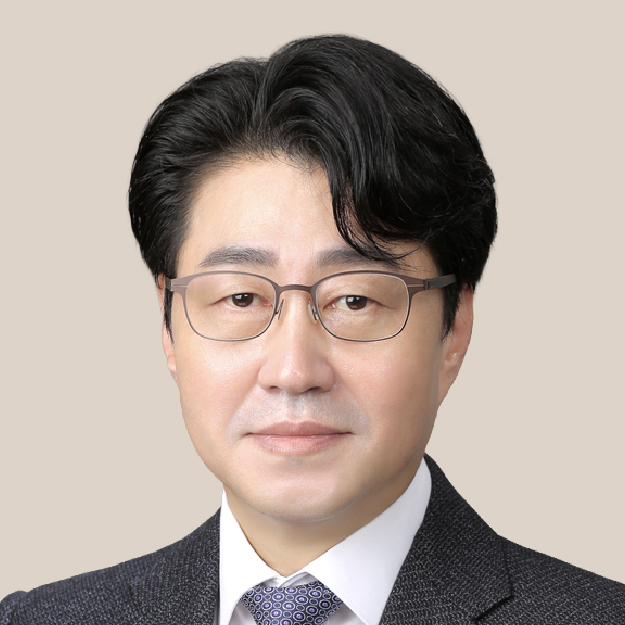
Head, AI & Autonomous Driving Technology Research Institute, KATECH
- Speaker ㅣ 강사소개
-
Head, AI & Autonomous Driving Technology Research Institute
Senior Vice President
Korea Automotive Technology Institute (KATECH) | March 2026 – Present
Leading AI-Defined Mobility transition through On-Device Physical AI and world-model-based autonomous architecture, advancing beyond conventional SDV paradigms toward AI-Defined Vehicles (AIDV) optimized for real-time safety-critical mobility.
△ Strategic Focus AI-Defined Mobility Architecture | On-Device Physical AI | World Models for Autonomous Driving | Vehicle Dynamics-Aware Policy Learning | Stability-Constrained Learning | Energy-Aware Embedded AI (TOPS/W) | Data-Simulation Flywheel
△ Professional Background
Research Fellow, Hyundai Motor Company (2016–2025) | Founder & Head, MIT-HMC Embedded Physical AI Lab (2023–2025) | President (37th), Korean Society of Automotive Engineers (2024) | Visiting Scientist, University of Michigan (2011)
△ Awards & Impact
Hyundai Chairman’s Award (2015) | FISITA Outstanding Paper Award (2021) | 524 Patent Applications (434 Granted)
△ Core Expertise
On-Device Physical AI | AI-Defined Vehicle Architecture | Physics-Fusion AI Control | Embedded Real-Time AI | Intelligent Drive & Motion Control | Human-Centric Mobility Intelligence전병욱 소장은 1992년 현대자동차 연구소에 입사해 차량제어 및 주행감성 연구를 수행했으며, 2011년 미국 미시간대학교 방문 과학자로 활동했다. 2016년부터 현대자동차 연구위원으로 차량제어용 Embedded Physical AI 기술 개발을 주도했으며, 2022년에는 미국 매사추세츠공과대학(MIT)과 Embedded Physical AI 공동연구실을 창립해 총괄했다. 현대자동차 재직 중 국내외 특허 총 524건을 출원했으며, IR52 장영실상과 FISITA Outstanding Paper Award를 수상했다. 2024년 한국자동차공학회 회장을 역임했으며, 현재 한국자동차연구원 AI·자율주행기술연구소장으로 재직 중이다.
- Abstract ㅣ 초록정보
-
자동차 산업은 소프트웨어 정의 차량(SDV) 시대를 거쳐 인공지능 정의 차량(AIDV) 시대로 진화하고 있습니다. 이제 인공지능은 단순히 정보를 처리하는 수준을 넘어 물리 세계를 이해하고 스스로 판단하며 행동하는 피지컬 AI로 발전하고 있습니다. 이러한 변화는 자율주행뿐 아니라 차량 제어, 사용자 경험, 로봇, 스마트 제조 등 다양한 산업 영역으로 확산되고 있으며, 모빌리티의 개념 자체를 새롭게 정의하고 있습니다.
본 강연에서는 피지컬 AI가 등장하게 된 기술적 배경과 산업적 의미를 살펴보고, 온디바이스 AI, 월드모델, AI 반도체 등 핵심 기술의 발전 방향을 소개합니다. 또한 차량과 로봇, 인프라가 연결된 미래 지능형 시스템의 모습을 전망하고, 대한민국이 글로벌 경쟁력 확보를 위해 준비해야 할 전략적 과제와 기회를 함께 논의합니다.
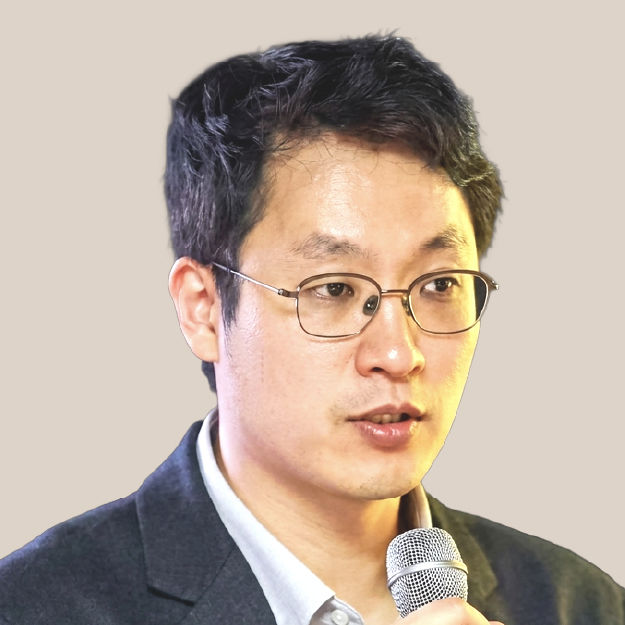
Eclipse Pullpiri & Timpani Project Lead, LG Electronics
- Speaker ㅣ 강사소개
-
- Abstract ㅣ 초록정보
-
In this talk, Chulhee will introduce the Eclipse SDV initiative and explain how an open-source-driven approach contributes to enabling Software Defined Vehicles (SDV). He will highlight key achievements and share how it has supported the growth of an open-source ecosystem in Korea. Furthermore, the talk will critically examine whether open source alone is sufficient for global collaboration and discuss future challenges.
본 발표에서는 Eclipse SDV 이니셔티브를 중심으로 오픈소스 기반 접근이 SDV 구현에 어떻게 기여하는지 소개합니다. 또한 주요 성과와 한국 오픈소스 생태계 사례를 공유하고, 글로벌 협업 관점에서 향후 과제를 논의합니다.
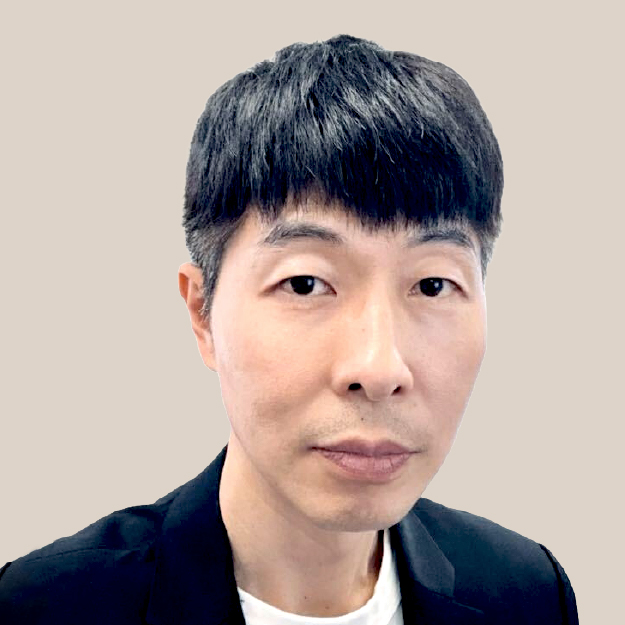
Executive Director, Seon ENS
- Speaker ㅣ 강사소개
-
SeungHwan Shin is an experienced embedded software engineer with a robust background in automotive software development from roles at Hyundai Autoever, Hyundai Autron and LG Electronics. At Seon ENS, Inc. in Seoul, he applies his expertise, leveraging AI and other new technologies to advance vehicle software solutions, contributing to innovative, high-quality systems that meet global automotive standards.
- Abstract ㅣ 초록정보
-
AI coding assistants now generate architecture descriptions, test cases, and traceability matrices in seconds. But Automotive SPICE does not care how an artifact was produced — it asks whether the evidence is justified, traceable, and approved by someone who understands it. Three process areas are most exposed. Detailed design loses rationale when "the model suggested it" replaces engineering judgment. Verification looks healthy on coverage metrics while requirement-based coverage stays hollow. Configuration management has no answer yet for prompt versions and model parameters. The developer's role shifts from author to reviewer — a harder job that demands design-intent understanding, behavioral-constraint awareness, and change-impact judgment. For ASIL-B and above, ISO 26262 adds mandatory tool confidence evaluation on top. We have been applying these principles in production using SEONEX, an LLM-based platform that generates ASPICE-compliant work products while preserving full traceability and audit logs. AI is not the threat. Unmanaged AI is.
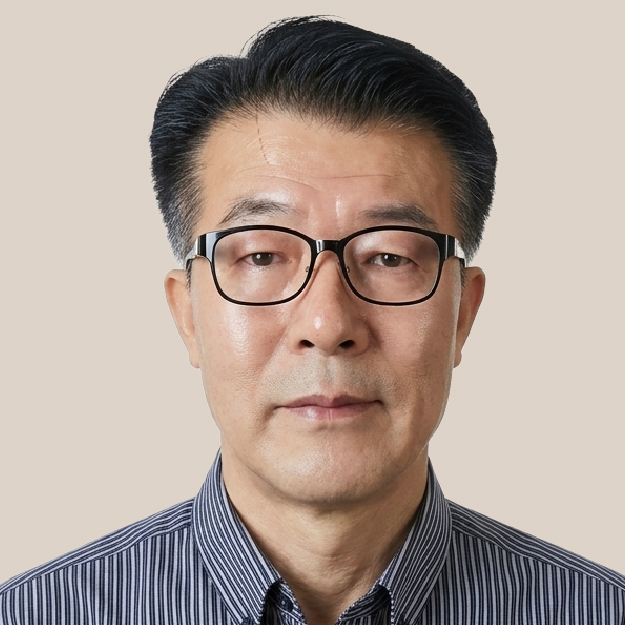
Director/Consultant, VWAY
- Speaker ㅣ 강사소개
-
- A-SPICE Competent Assessor
- Automotive Functional Safety Expert
- Automotive Cybersecurity Expert
- Certified Practitioner CMMI
- VWAY Co., Ltd. Director
- Abstract ㅣ 초록정보
-
As Software-Defined Vehicles (SDVs) transform cars into smart digital platforms, AI-based quality management is crucial for software reliability. By integrating AI and RAG technology to verify essential documents like requirements specifications, we can ensure technical clarity and strict compliance with both INCOSE guidelines and ASPICE 4.0 process. This comprehensive approach strengthens traceability and greatly improves work efficiency in modern automotive software development.
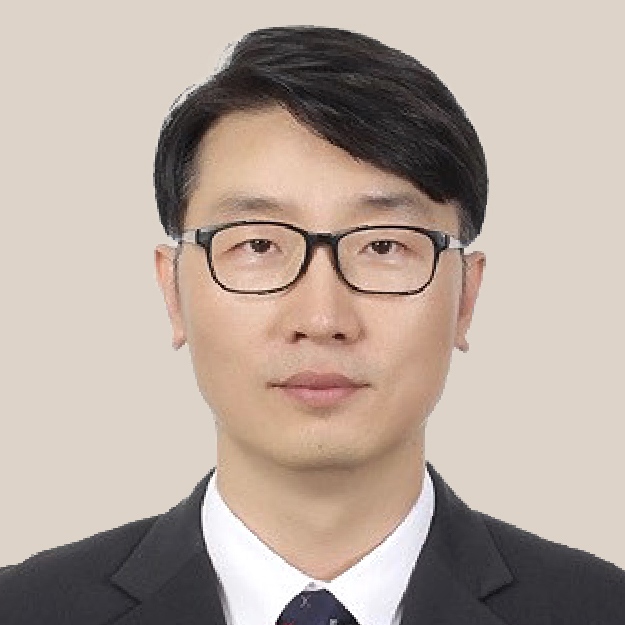
Cyber Security Team Leader, ETAS Korea
- Speaker ㅣ 강사소개
-
최규해 이사는 현재 이타스코리아에서 사이버보안(구 에스크립트) 솔루션 팀을 이끌며, 이타스코리아의 보안 컨설팅, 보안 테스팅 및 보안 솔루션 제품군의 엔지니어링 서비스를 총괄하고 있다. 이타스코리아 합류 전에는 보쉬(Bosch)에서 TCU ASW/BSW 개발 및 글로벌 개발 팀을 리딩했으며, 현대오토에버, 보쉬 등 국내외 유수 기업을 거치며 차량용 보안 소프트웨어 및 ASW, BSW 개발 분야에서 23년 이상의 오랜 경험을 보유한 전문가다.
- Abstract ㅣ 초록정보
-
진화하는 자동차 사이버보안 위협과 글로벌 규제 강화로 인해 기업의 대응 부담은 계속 늘어나고 있습니다. 특히 VSOC의 수많은 경보 분류부터 일관성 있는 CSMS 문서 유지보수까지, 차량 전 수명주기에 걸친 보안 관리는 담당자 개인의 수동 관리 방식을 넘어 심각한 확장성 한계에 도달했습니다. 본 세션에서는 ‘자동차 사이버보안 온톨로지(Automotive Cybersecurity Ontology)’ 모델을 통한 지능형 데이터 구조와 AI 기반 자동화가 사이버보안 워크플로의 설계 및 실행 방식을 어떻게 혁신할 수 있는지를 살펴봅니다. 온톨로지 개념을 도입함으로써 TARA, SBOM, Cybersecurity Concept, 실제 운영 로그까지 분절되어 있던 보안 데이터들을 하나의 통합된 Semantic Model로 결합하여 보안 산출물 간의 유기적인 관계를 명확히 할 수 있습니다. 또한 데이터 질의를 가능하게 함으로써 ▲실시간 취약점 관리, ▲지속적으로 업데이트되는 ‘살아있는’ CSMS 문서화, ▲VSOC 경보 분석 자동화 등 강력한 AI 기반 보안 도구를 구현할 수 있습니다. 궁극적으로 이는 수작업을 줄이고 일관성을 향상시키며, 사이버보안 라이프사이클 전반에 걸쳐 의사결정을 가속화하는 데 기여합니다.
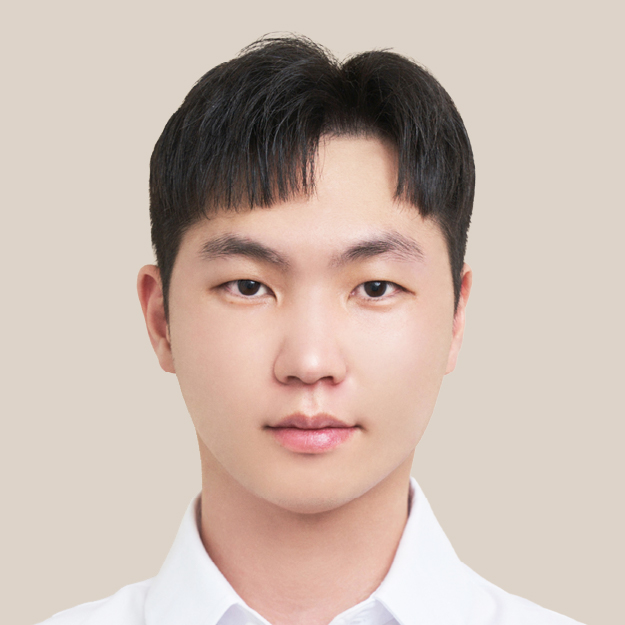
FAE, MDS Intelligence
- Speaker ㅣ 강사소개
-
김진광 과장은 2018년부터 MDS인텔리전스(구.한컴MDS)에 재직하며 임베디드 소프트웨어 분야에서 풍부한 경험을 쌓아온 FAE(Field Application Engineer)이다. 오랜 기간 자동차 및 다양한 산업군의 고객을 대상으로 필드에서 기술지원을 수행해 왔으며, 소스코드 품질 향상 및 소프트웨어 신뢰성 확보를 위한 전문적인 기술 역량을 보유하고 있다. 현재는 소프트웨어 아키텍처 분석·리팩토링 솔루션 및 정적 분석 솔루션 분야에서 기술지원과 컨설팅을 담당하고 있다.
- Abstract ㅣ 초록정보
-
소프트웨어 개발은 요구사항 정의부터 설계, 구현에 이르기까지 여러 구성 요소 간의 복잡한 상호 의존성을 기반으로 이루어지며, 이러한 의존성 관리는 개발 생산성과 소프트웨어 품질을 결정짓는 핵심 요소입니다. 그러나, 실제로 의존성이 명확하게 정의되지 않거나 암묵적으로 관리되는 경우가 상당하여 설계 불일치, 통합 지연, 유지보수 비용 증가와 같은 구조적 문제를 초래합니다.
본 세션에서는 이러한 한계를 극복하기 위한 접근으로 DSM(Dependency Structure Matrix) 기반의 의존성 정형화 및 분석 방법을 제시합니다. 소프트웨어 구성 요소 간의 관계를 체계적으로 모델링하고 시각화함으로써 복잡한 의존 구조를 효과적으로 파악하고 개선할 방안을 다룹니다. 또한, 모델링/요구사항/소스코드/검증/사이버보안 등 다양한 개발 산출물을 통합한 DSM을 구성하고, 이를 활용할 수 있는 방안을 소개합니다.
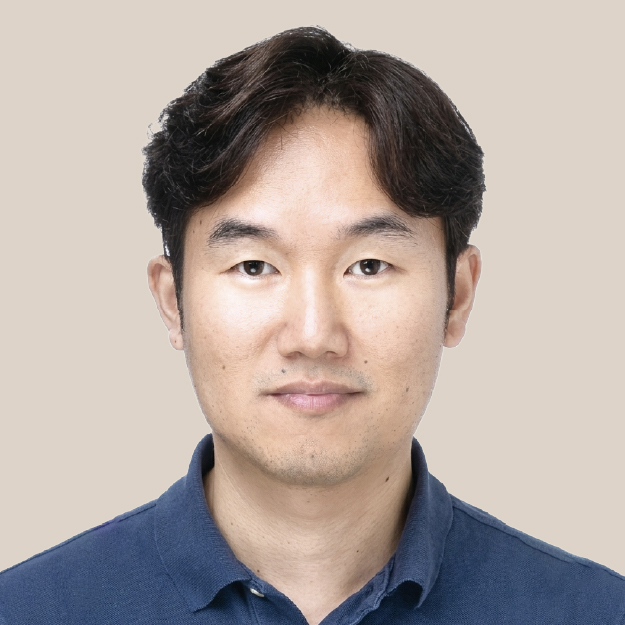
Technical Sales, AutoCrypt
- Speaker ㅣ 강사소개
-
Since joining Elektrobit in 2019, Chealmin Kim has played a pivotal role in successfully expanding the company's Korean business, serving in various key positions including Senior Engineer, Head of Customer Center, Head of Competency Center, and Business Solution Architect. He is currently in charge of Technical Sales within the Platform Business Division at AUTOCRYPT.
김철민 부장은 2019년부터 일렉트로비트에서 Senior Engineer, Head of Customer Center, Head of Competency Center, Business Solution Architect 등 다양한 역할을 수행하며 한국 비즈니스를 성공적으로 확대하는 데 중요한 역할을 했습니다. 현재는 아우토크립트의 플랫폼 사업본부에서 기술영업을 담당하고 있습니다.
- Abstract ㅣ 초록정보
-
In this presentation, we will learn how to create comprehensive protection strategies that address both safety demands and cybersecurity requirements, essential for the future of automotive innovation, while gaining hands-on insights into software-defined vehicle safety and security. Furthermore, we will understand the key areas of tension created by software updates, which is essential for managing a vehicle’s lifecycle. Finally, the session will explore freedom from interference through different perspectives.
본 강연에서는 미래 자동차 혁신에 필수적인 안전 요구사항과 사이버보안 요구사항을 모두 해결하는 포괄적인 보호 전략을 수립하는 방법을 알아보고, 소프트웨어 정의 차량(SDV)의 안전 및 보안에 대한 실무적인 통찰을 얻고자 합니다. 나아가 차량의 라이프사이클 관리에 필수적인 소프트웨어 업데이트가 만들어내는 주요 긴장 구도(Areas of Tension)를 이해하고, 마지막으로 간섭으로부터의 자유(Freedom from interference)에 대한 서로 다른 관점들을 살펴봅니다.
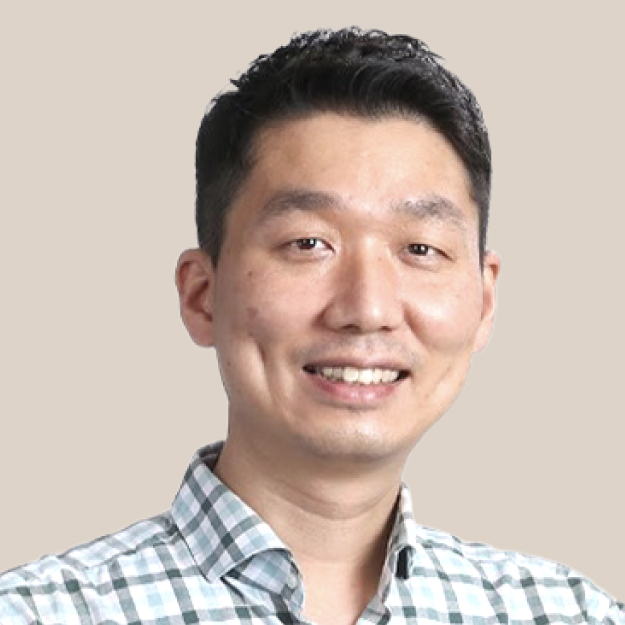
CEO, PopcornSAR
- Speaker ㅣ 강사소개
-
Seungyueb Chae is the CEO of PopcornSAR, a company pioneering solutions in AUTOSAR and software-defined vehicles (SDV). With over 18 years of experience in automotive software, he has contributed to both Classic and Adaptive AUTOSAR, building globally adopted tools and frameworks that support the future of mobility.
He is actively engaged in AUTOSAR Working Groups, Korea's K-SDV Working Groups 2–4 (EM), and Japan's Open SDV Initiative (OSDVI). He also serves as an autonomous driving evaluation committee member under the Ministry of Trade, Industry and Energy, and a strategy committee member for the SDx Standard-Essential Patent Roadmap under the Ministry of Science and ICT.
Beyond his standardization work, Seungyueb is advancing the integration of Agentic AI into automotive software engineering. PopcornSAR develops PARVIS, an agentic AI platform for software verification, and PAIO, an AI-assisted ARXML design tool—both combining the leading US AI platforms (OpenAI, Anthropic, and Google) and on-premise LLM technology with the standards of AUTOSAR, ASPICE, and ISO 26262 to accelerate vehicle software development through an AI-driven approach.
At this event, he will present insights into the convergence of SDV architectures and Agentic AI, highlighting how open ecosystems and global collaboration can accelerate the evolution of intelligent mobility.
- Abstract ㅣ 초록정보
-
The automotive industry is shifting from the Software-Defined Vehicle (SDV) toward the AI-Defined Vehicle (AIDV), where AI becomes the central nervous system of the vehicle and reshapes the entire R&D toolchain. Yet the engineering reality remains constrained by severe bottlenecks: AUTOSAR developers spend only about 16% of their time on actual coding, AUTOSAR Classic/Adaptive standards have grown into tens of thousands of specification pages, OEM requirements arrive as thousands of unstructured pages mixing multiple languages and formats, and ASPICE/ISO 26262/MISRA-C compliance imposes multi-year, six-figure costs. This presentation examines how Agentic AI can break these bottlenecks and demonstrates real-world solutions—PARVIS, PAIO, and PARA—that automate SDV software development and compliance from end to end.
1. Industry in Crisis: The Engineering Bottleneck
Traditional automotive software was delivered as bundled black-box modules, but the SDV/AIDV era forces a white-box, source-separated supply model that collapses Tier 1 margins (from 7–8% down to 4.7–6.4%) while multiplying per-OEM porting and verification effort. Chinese OEMs compress development cycles from 4–5 years to 1–2 years by internalizing AI across coding, simulation, and process intelligence. Meanwhile, requirements analysis, ARXML configuration, manual test-case writing, and compliance documentation consume the bulk of expensive engineers' time—turning skilled AUTOSAR specialists into document filterers and GUI clickers.
2. The Answer is AI: Agentic Automation of the V-Model
Agentic AI introduces autonomous co-developers and validators into the SDV software workflow. PARVIS provides AI-driven V-Model automation with bidirectional traceability—parsing multilingual requirements, generating system/SW architecture and MISRA-C compliant code, and auto-producing three-tier test specifications and verification reports. Proven results include MISRA-C compliance rising from 40% to 94%, documentation coverage from 5% to 100%, test coverage from 0% to 85%+, and 3–4× work efficiency, all under a human-in-the-loop model that preserves accountability for ISO 26262 and ASPICE. PAIO offers an AI-powered AUTOSAR CP/AP authoring environment that directly manipulates models through natural language, while PARA delivers a Rust-based Adaptive Platform (ASIL-B, ASPICE CL2) for compile-time memory and concurrency safety.
3. National and Global Standardization
For SDV/AIDV ecosystems to succeed, standards and open collaboration are essential. PopcornSAR participates in AUTOSAR Working Groups, Korea's K-SDV standardization program, and Japan's Open SDV Initiative (OSDVI), supporting global SDV API frameworks (China CAAM, Japan OSDVI). Agentic AI further reinforces these efforts by automating compliance checking, traceability, and harmonization—bridging local initiatives with global standards and enabling a complete transition from manual to AI-driven SDV software development across both Classic and Adaptive Platforms.
The convergence of SDV architectures and Agentic AI represents a critical inflection point for the automotive industry. By uniting open standards, cloud-native platforms, and intelligent agents, we can create a future where vehicles are not only safer and more intelligent, but also more adaptable to the evolving needs of society. Collaboration between industry, academia, and governments will be key to realizing this vision.
This session will provide both strategic insights and practical examples, showcasing how Agentic AI and SDV architectures together can redefine the development, validation, and deployment of next-generation mobility systems.
Track 1B
(Software Defined Vehicles & Digital Experience)09:00AM - 5:20PM
Vehicle software architecture, SDV transition, digital cockpit, UX innovation.
- - Software-Defined Vehicle (SDV)
- - Vehicle OS & Middleware
- - Over-the-Air (OTA) Updates
- - Digital Twin & Model-Based Engineering
- - Virtual Validation / Simulation
- - Automotive Cloud & DevOps
- - In-Vehicle Infotainment (IVI)
- - Human-Machine Interface (HMI)
- - User Experience (UX) & Personalization
- - Engineering Collaboration & Lifecycle Management
Vice President, ETAS GmbH
- Speaker ㅣ 강사소개
-
After his PhD in Computer Science (TH Karlsruhe) Mr. Zerfowski joined the Robert Bosch GmbH. His more than 25 years’ experience in the automotive industry covers software engineering in different application domains (body electronics including electrical drives, brake systems, park assist). During 2009-2012 Mr. Zerfowski established an engineering section for the Bosch division Automotive Electronic at India. Afterwards he took over the position of the Managing Director of the 100% Bosch subsidiary ETAS Automotive India Prv. Ltd. From 2015 till 2018 Mr. Zerfowski was with a Bosch corporate technology department and was responsible for the Bosch corporate SW strategies in the automotive domain. Since 2018 he is with the Bosch daughter ETAS GmbH in the position of Vice President Engineering Excellence.
데틀레프 제르포프스키(Detlef Zerfowski) 박사는 독일 카를스루에 공과대학교(TH Karlsruhe)에서 컴퓨터공학 박사 학위를 취득한 후 Bosch와 ETAS에서 25년 이상의 경력을 쌓은 자동차 소프트웨어 분야의 노련한 전문가다. 그는 전기 드라이브를 포함한 바디 일렉트로닉스, 브레이크 시스템, 주차 보조 시스템 등 다양한 애플리케이션 영역의 소프트웨어 엔지니어링을 담당해 왔다.
2009년부터 2012년까지 인도에 Bosch 오토모티브 일렉트로닉스 부문의 엔지니어링 조직 설립을 주도했으며, 이후 Bosch의 100% 자회사인 ETAS Automotive India Pvt. Ltd.의 대표이사(Managing Director)를 역임했다. 2015년부터 2018년까지 Bosch 본사의 기술 부서(Bosch Corporate Technology)에서 근무하며 자동차 분야의 Bosch 그룹 소프트웨어 전략을 총괄했다. 2018년부터는 Bosch 자회사인 ETAS GmbH에서 Engineering Excellence 부문 부사장으로 재직 중이다.
- Abstract ㅣ 초록정보
-
Over past years many OEM tried to develop and establish their own middleware solutions. Most of OEM recognized that proprietary solution might not scale within single companies. Therefore new collaborative approaches based on open source enter the automotive domain.
During the keynote we will present different archetypes of automotive software and their underlying middleware stacks, as well as AI powered development toolchains. For the domain of high-performance vehicle computers, we will present the Eclipse S-Core project and its usage in safety critical automotive applications. Additionally, we will introduce the Eclipse Foundation and discuss, how open source based software stacks tackle the maintenance challenge (especially regarding security) for automotive specific long term product lifecycles.
In this context we consider required cultural changes in the industry. Companies, which will adapt to the change, will see benefits in less complexity, less costs, higher quality, higher development speed, etc.지난 몇 년간 많은 완성차 업체(OEM)들은 독자적인 미들웨어 솔루션을 개발하고 정착시키고자 노력해왔습니다. 그러나 대부분의 OEM들은 독자적인 솔루션이 단일 기업 내에서도 확장성을 확보하기 어렵다는 점을 깨달았습니다. 이에 따라 오픈소스 기반의 새로운 협업 방식이 자동차 산업에 본격적으로 도입되고 있습니다.
본 기조강연에서는 다양한 자동차 소프트웨어 아키타입과 이를 구성하는 미들웨어 스택, 그리고 AI 기반 개발 툴체인을 소개합니다. 특히 고성능 차량 컴퓨터(HPC) 영역에서, Eclipse S-Core 프로젝트와 이 프로젝트가 안전 필수(safety-critical) 자동차 애플리케이션에 어떻게 활용되는지 공유하고자 합니다.
또한 Eclipse Foundation을 소개하고, 오픈소스 기반 소프트웨어 스택이 자동차 산업 특유의 장기 제품 수명주기에서 유지보수, 특히 보안 측면의 과제를 어떻게 해결할 수 있는지를 논의할 것입니다. 마지막으로 이러한 변화와 함께 산업 전반에 요구되는 문화적 변화도 함께 짚어봅니다. 변화에 적응하는 기업은 복잡성 감소, 비용 절감, 품질 향상, 개발 속도 향상 등의 이점을 누리게 될 것입니다.
VP System Incubation & CTO, TrustMotion
- Speaker ㅣ 강사소개
-
Dr. Stefan Poledna is CTO of TrustMotion (formerly TTTech Auto) and Head of System Incubation. He is a co-founder of the company and brings more than 30 years of international experience in automotive systems and software development.
He has played a key role in shaping the company’s technology roadmap and driving innovation in automotive safety and software architecture. His leadership has been widely recognized in the industry, particularly for advancing foundational technologies such as safety middleware platforms for early ADAS domain controller architectures.
He has authored and co-authored more than 80 patents and several publications. He received his M.Sc. and Ph.D. degree in computer science with distinction from Vienna University of Technology, where he also lectures on Dependable Computer Systems.스테판 폴레드나(Stefan Poledna) 박사는 TrustMotion(구 TTTech Auto)의 CTO이자 시스템 인큐베이션(System Incubation) 책임자이다. 그는 회사의 공동 창립자로서 자동차 시스템 및 소프트웨어 개발 분야에서 30년 이상의 국제적인 경험을 보유하고 있다.
그는 회사의 기술 로드맵을 수립하고 자동차 안전 및 소프트웨어 아키텍처 혁신을 주도하는 데 핵심적인 역할을 해 왔다. 그의 리더십은 업계에서 널리 인정받고 있으며, 특히 초기 ADAS 도메인 컨트롤러 아키텍처를 위한 안전 미들웨어 플랫폼 등 기반 기술 발전을 이끈 인물로 높이 평가받고 있다.
또한 그는 80건 이상의 특허를 단독 또는 공동으로 출원했으며, 다수의 논문을 발표했다. 비엔나 공과대학교(Vienna University of Technology)에서 컴퓨터공학 석사 및 박사 학위를 우수한 성적으로 취득했으며, 동 대학에서 신뢰성 컴퓨터 시스템(Dependable Computer Systems) 과목을 강의하고 있다.
- Abstract ㅣ 초록정보
-
Compute architectures within robotics and mobility are experiencing substantial transformation. The industry has shifted from distributed control systems toward centralized, heterogeneous platforms tailored to advance Physical AI. This transition, initially prevalent in the automotive sector, is now influencing the broader field of robotics. Robotics applications demand robust high-bandwidth sensor fusion and ultra-low-latency actuation. Contemporary humanoid and autonomous mobile robots generate vast amounts of sensor data—often multiple gigabytes per second. Traditional CPU-based controllers are increasingly inadequate for managing such significant data throughput.
Historically, legacy computing infrastructure in robotics and mobility was fragmented and inflexible, depending on serialized processing via federated MCUs and industrial PLCs for real-time operations, thereby lacking parallelism. This environment was dominated by monolithic hardware-software solutions, often requiring ECU replacements for system upgrades, while earlier frameworks like ROS1 suffered from pronounced latency in multiprocess communication.
In contrast, modern computing architectures are designed to accommodate the substantial bandwidth generated by LiDAR, high-resolution cameras, and the parallel processing requirements of deep learning, Vision-Language-Action models, and end-to-end AI systems in both robotics and mobility. These systems frequently deploy heterogeneous Systems on Chip (SoCs) that integrate CPUs, GPUs, NPUs, and dedicated accelerators. Such advancements enable centralized and zonal computing nodes interconnected via Ethernet. Software frameworks like ROS2 further optimize performance through shared memory transport mechanisms.
This evolution necessitates concurrent advancements in software architecture, moving beyond monolithic deployments limited to real-time operating systems. Our experience demonstrates that these environments require platforms which supplement the operating system with advanced scheduling and communication capabilities, ensuring reliable execution and inter-component communication even amid complex dependency graphs.
To fully leverage the benefits of these architectures, an additional abstraction layer is essential: middleware platforms that decouple application logic from hardware topology, unifying communication, timing, and deployment across zonal and centralized nodes. By managing these aspects at the platform level, development teams can redirect efforts from infrastructure integration to enhancing system-level functionality, thereby reducing integration cycles, accelerating time to market, and supporting ongoing software evolution.
Increasingly, such middleware platforms are recognized as pivotal enablers for bridging the diversity of hardware architectures with the rapid innovation required in modern humanoids and autonomous vehicles. They deliver a standardized layer for communication, timing, and deployment, empowering applications to be developed and deployed independently of underlying hardware. This abstraction streamlines feature integration and fosters both scalability and long-term maintainability.로보틱스 및 모빌리티 분야의 컴퓨팅 아키텍처는 현재 큰 변화를 겪고 있습니다. 산업 전반은 분산형 제어 시스템에서 Physical AI 구현에 최적화된 중앙집중형 이기종 플랫폼으로 빠르게 전환되고 있습니다. 이러한 변화는 자동차 산업에서 먼저 시작됐으며, 이제 로보틱스 분야 전반으로 확산되고 있습니다. 로보틱스 애플리케이션은 고대역폭 센서 융합과 초저지연 액추에이션을 요구합니다. 최근 휴머노이드 및 자율이동로봇(AMR)은 초당 수 기가바이트에 달하는 방대한 센서 데이터를 생성하고 있으며, 기존 CPU 기반 제어기는 이러한 데이터 처리량을 감당하는 데 한계를 드러내고 있습니다.
과거 로보틱스 및 모빌리티 분야의 컴퓨팅 인프라는 분산된 MCU와 산업용 PLC 기반의 직렬 처리 구조에 의존해왔으며, 병렬 처리에 적합하지 않은 파편화되고 유연하지 않은 구조였습니다. 또한 하드웨어와 소프트웨어가 긴밀히 결합된 모놀리식 구조가 일반적이어서 시스템 업그레이드를 위해 ECU 자체를 교체해야 하는 경우가 많았습니다. 초기 프레임워크인 ROS1 역시 프로세스 간 통신 지연 문제가 컸습니다.
반면 최신 컴퓨팅 아키텍처는 LiDAR, 고해상도 카메라, 딥러닝, Vision-Language-Action 모델, 엔드투엔드 AI 시스템이 요구하는 대규모 데이터 대역폭과 병렬 연산을 수용하도록 설계되고 있습니다. 이를 위해 CPU, GPU, NPU 및 전용 가속기를 통합한 이기종 SoC(System on Chip)가 활용되며, Ethernet 기반으로 연결된 중앙집중형 및 조널(zonal) 컴퓨팅 노드 구조가 도입되고 있습니다. ROS2와 같은 소프트웨어 프레임워크는 공유 메모리 기반 전송 메커니즘을 통해 성능을 더욱 최적화합니다. 이러한 변화는 소프트웨어 아키텍처 측면에서도 발전을 요구하고 있습니다. 단순 실시간 운영체제 기반의 모놀리식 구조를 넘어, 고급 스케줄링 및 통신 기능을 제공하는 플랫폼이 필요합니다. 이는 복잡한 의존성 구조에서도 안정적인 실행과 컴포넌트 간 통신을 보장하기 위해서입니다.
또한 이러한 아키텍처의 장점을 극대화하기 위해서는 애플리케이션 로직과 하드웨어 토폴로지를 분리하는 미들웨어 플랫폼이 필수적입니다. 이러한 플랫폼은 중앙집중형 및 조널 노드 전반에서 통신, 타이밍, 배포를 통합 관리함으로써 개발팀이 인프라 통합보다 시스템 기능 개발에 집중할 수 있도록 지원합니다. 그 결과 통합 기간 단축, 시장 출시 기간 단축, 지속적인 소프트웨어 진화 지원이 가능해집니다.
최근 이러한 미들웨어 플랫폼은 다양한 하드웨어 아키텍처와 빠른 혁신이 요구되는 휴머노이드 및 자율주행차 환경을 연결하는 핵심 요소로 주목받고 있습니다. 이들은 통신, 타이밍, 배포를 위한 표준화된 계층을 제공함으로써 애플리케이션이 하드웨어에 종속되지 않고 독립적으로 개발 및 배포될 수 있도록 지원합니다. 이러한 추상화는 기능 통합을 단순화하고 확장성과 장기 유지 보수성을 향상시킵니다.
Global-CTO, AutoCrypt
- Speaker ㅣ 강사소개
-
Eui-seok Kim is a vehicle security expert and serves as the head of domestic and global automotive security business at AutoCrypt, a company specializing in autonomous driving and automotive cybersecurity.
김의석 사장은 차량 보안 전문가로, 자율주행 및 자동차 사이버 보안 기업인 아우토크립트(AUTOCRYPT)의 국내외 차량 보안사업 총괄을 맡고 있다.
- Abstract ㅣ 초록정보
-
Chief Commercial Officer, Commercial Organization, Elektrobit
- Speaker ㅣ 강사소개
-
Arvind Murthy is Chief Commercial Officer at Elektrobit, an award-winning and trusted partner in the transition to the software-defined vehicle (SDV). He has over 30 years of leadership experience, transforming global revenue growth strategies across multiple industries like Automotive, Manufacturing, and Hi-Tech. Previously, Arvind was Chief Revenue Officer at TAO Digital Solutions. Prior to that he held a Director Position at Amazon Web Services (AWS) for Partner Strategy & Sales and served in various leadership positions at GlobalLogic, Prodapt and Wipro Technologies. Arvind has a Bachelor of Engineering (B.E.) in Electronics & Communications from Bangalore University.
아르빈드 머시(Arvind Murthy)는 SDV 전환 분야에서 수상 경력을 자랑하는 신뢰받는 파트너 기업인 일렉트로비트의 최고상업책임자(CCO)이다. 그는 자동차, 제조, 하이테크 등 다양한 산업 전반에 걸쳐 글로벌 매출 성장 전략을 혁신하며 30년 이상의 리더십 경력을 쌓아왔다.
일렉트로비트 합류 전에는 TAO 디지털 솔루션즈(TAO Digital Solutions)에서 최고매출책임자(CRO)를 역임했으며, 그 전에는 아마존 웹 서비스(AWS)에서 파트너 전략 및 영업 부문 이사직을 수행했다. 또한 글로벌로직(GlobalLogic), 프로댑트(Prodapt), 위프로 테크놀로지스(Wipro Technologies) 등 여러 기업에서 다양한 리더십 직책을 맡은 바 있다. 그는 벵갈루루 대학교에서 전자통신공학 학사 학위를 취득했다.
- Abstract ㅣ 초록정보
-
Head, AI & Autonomous Driving Technology Research Institute, KATECH
- Speaker ㅣ 강사소개
-
Head, AI & Autonomous Driving Technology Research Institute
Senior Vice President
Korea Automotive Technology Institute (KATECH) | March 2026 – Present
Leading AI-Defined Mobility transition through On-Device Physical AI and world-model-based autonomous architecture, advancing beyond conventional SDV paradigms toward AI-Defined Vehicles (AIDV) optimized for real-time safety-critical mobility.
△ Strategic Focus AI-Defined Mobility Architecture | On-Device Physical AI | World Models for Autonomous Driving | Vehicle Dynamics-Aware Policy Learning | Stability-Constrained Learning | Energy-Aware Embedded AI (TOPS/W) | Data-Simulation Flywheel
△ Professional Background
Research Fellow, Hyundai Motor Company (2016–2025) | Founder & Head, MIT-HMC Embedded Physical AI Lab (2023–2025) | President (37th), Korean Society of Automotive Engineers (2024) | Visiting Scientist, University of Michigan (2011)
△ Awards & Impact
Hyundai Chairman’s Award (2015) | FISITA Outstanding Paper Award (2021) | 524 Patent Applications (434 Granted)
△ Core Expertise
On-Device Physical AI | AI-Defined Vehicle Architecture | Physics-Fusion AI Control | Embedded Real-Time AI | Intelligent Drive & Motion Control | Human-Centric Mobility Intelligence전병욱 소장은 1992년 현대자동차 연구소에 입사해 차량제어 및 주행감성 연구를 수행했으며, 2011년 미국 미시간대학교 방문 과학자로 활동했다. 2016년부터 현대자동차 연구위원으로 차량제어용 Embedded Physical AI 기술 개발을 주도했으며, 2022년에는 미국 매사추세츠공과대학(MIT)과 Embedded Physical AI 공동연구실을 창립해 총괄했다. 현대자동차 재직 중 국내외 특허 총 524건을 출원했으며, IR52 장영실상과 FISITA Outstanding Paper Award를 수상했다. 2024년 한국자동차공학회 회장을 역임했으며, 현재 한국자동차연구원 AI·자율주행기술연구소장으로 재직 중이다.
- Abstract ㅣ 초록정보
-
자동차 산업은 소프트웨어 정의 차량(SDV) 시대를 거쳐 인공지능 정의 차량(AIDV) 시대로 진화하고 있습니다. 이제 인공지능은 단순히 정보를 처리하는 수준을 넘어 물리 세계를 이해하고 스스로 판단하며 행동하는 피지컬 AI로 발전하고 있습니다. 이러한 변화는 자율주행뿐 아니라 차량 제어, 사용자 경험, 로봇, 스마트 제조 등 다양한 산업 영역으로 확산되고 있으며, 모빌리티의 개념 자체를 새롭게 정의하고 있습니다.
본 강연에서는 피지컬 AI가 등장하게 된 기술적 배경과 산업적 의미를 살펴보고, 온디바이스 AI, 월드모델, AI 반도체 등 핵심 기술의 발전 방향을 소개합니다. 또한 차량과 로봇, 인프라가 연결된 미래 지능형 시스템의 모습을 전망하고, 대한민국이 글로벌 경쟁력 확보를 위해 준비해야 할 전략적 과제와 기회를 함께 논의합니다.
Eclipse Pullpiri & Timpani Project Lead, LG Electronics
- Speaker ㅣ 강사소개
-
- Abstract ㅣ 초록정보
-
In this talk, Chulhee will introduce the Eclipse SDV initiative and explain how an open-source-driven approach contributes to enabling Software Defined Vehicles (SDV). He will highlight key achievements and share how it has supported the growth of an open-source ecosystem in Korea. Furthermore, the talk will critically examine whether open source alone is sufficient for global collaboration and discuss future challenges.
본 발표에서는 Eclipse SDV 이니셔티브를 중심으로 오픈소스 기반 접근이 SDV 구현에 어떻게 기여하는지 소개합니다. 또한 주요 성과와 한국 오픈소스 생태계 사례를 공유하고, 글로벌 협업 관점에서 향후 과제를 논의합니다.
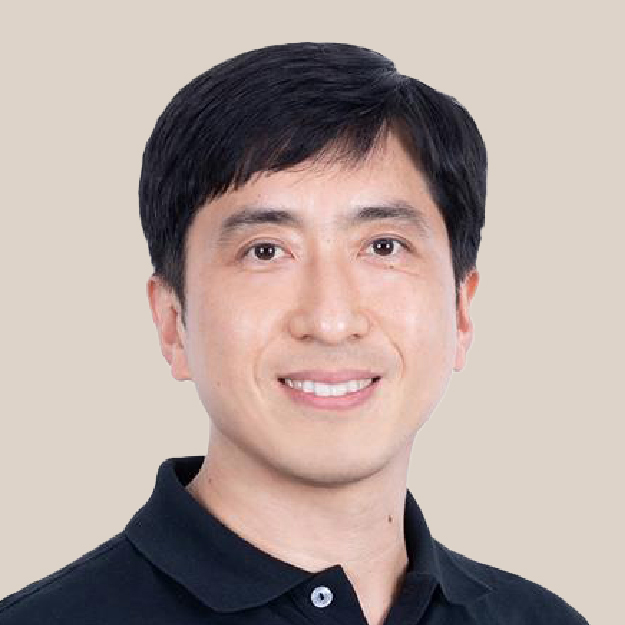
Business Development Engineer, Vector Korea
- Speaker ㅣ 강사소개
-
Jaeyoung Hwang is a principal business development engineer in Vector Korea. He has more than 25 years of experience in automotive industry. His expertise focuses on automotive network technologies such as CAN, CAN FD, FlexRay, 10BASE-T1S, etc. He is responsible for CANoe, CANalyzer and VT System which are major tools of Vector.
Vector Korea의 네트워크 솔루션 사업부의 수석 엔지니어로, 자동차 산업 분야에서 25년 이상의 경력을 보유하고 있다. CAN, CAN FD, FlexRay, 10BASE-T1S 등 차량 내 네트워크 기술에 대한 전문성을 갖추고 있으며, 글로벌 완성차 및 부품사들이 널리 사용하는 CANoe, CANalyzer, VT System 등의 주요 테스트 및 시뮬레이션 툴을 담당하고 있다. 오랜 현장 경험과 깊이 있는 기술 지식을 바탕으로, 고객의 신뢰할 수 있는 파트너로서 미래 지향적인 차량 개발 환경 구축을 지원하고 있다.
- Abstract ㅣ 초록정보
-
As the transition to the SDV era accelerates, a new challenge is emerging: the need to seamlessly connect distributed in-vehicle ECUs with edge and cloud systems through a unified communication framework. In this context, Zenoh—a next-generation distributed communication protocol designed for low latency and efficient data exchange—is gaining significant attention in domains such as autonomous driving and ADAS.
This session is intended for engineers seeking to apply the Zenoh protocol in practical development and validation scenarios. It demonstrates how Zenoh-based communications can be easily configured, simulated, and analyzed within the CANoe environment, with a focus on configuration approaches based on vCDL(Vector Communication Description Language), which are already familiar to existing users. CANoe version 20, which introduces Zenoh support for the first time, enables application level data analysis, while version 21, scheduled for release next year, will further extend Zenoh support to the Transport layer.
In addition, the session introduces the key capabilities of 10BASE-T1S Ethernet technology, which enables next-generation zone architectures at the in-vehicle sensor and actuator level, along with the corresponding hardware portfolio supporting this technology.SDV 시대로의 전환이 가속화되면서, 차량 내부의 분산된 ECU부터 엣지, 클라우드까지 하나의 통신 체계로 연결해야 하는 새로운 과제가 떠오르고 있습니다. 이러한 환경에서 낮은 지연 시간과 효율적인 데이터 전송을 강점으로 하는 차세대 분산 통신 프로토콜 Zenoh가 자율주행, ADAS 등 다양한 분야에서 주목받고 있습니다.
본 세션에서는 Zenoh 프로토콜을 실제 개발 및 검증 환경에 도입하고자 하는 엔지니어분들을 대상으로, CANoe 환경에서 Zenoh 통신을 어떻게 손쉽게 구성하고 시뮬레이션 및 분석할 수 있는지 소개합니다. 또한, 기존 사용자에게 익숙한 vCDL(Vector Communication Description Language) 기반의 설정 방법에 관하여 소개합니다. 그리고 처음으로 Zenoh를 지원하는 CANoe 20 버전에서는 애플리케이션 레벨의 데이터 분석이 가능하며, 내년에 출시하는 21 버전에서는 Transport 레이어까지 범위를 확장할 계획입니다.
아울러 차량 내 센서·액추에이터 레벨에서 차세대 Zone Architecture를 가능하게 하는 10BASE-T1S 이더넷 기술의 주요 특징과 이를 지원하는 하드웨어 라인업에 대해서도 소개합니다.
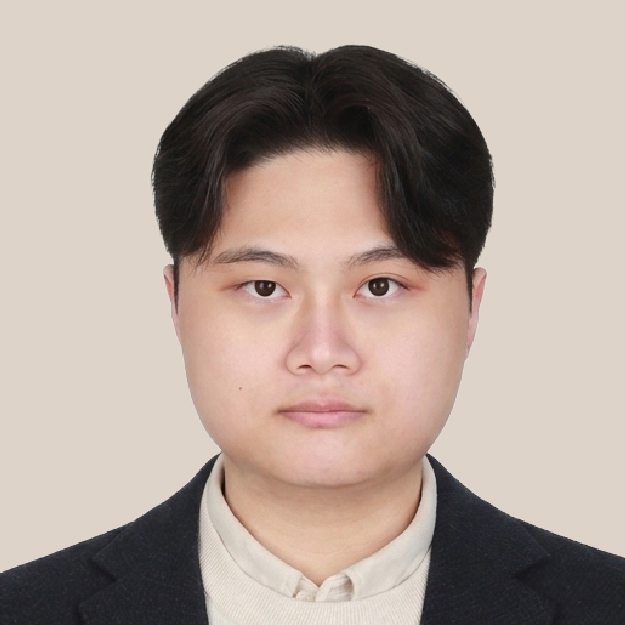
Manager, Techways
- Speaker ㅣ 강사소개
-
MinHyung Lee is an engineer at Techways, where he is responsible for technical support and validation related to Automotive Ethernet and in-vehicle network systems. He performs packet analysis, communication testing, and troubleshooting across various Automotive Ethernet communication environments, and handles a wide range of network issues arising in customer support and validation scenarios. He is also involved in validation and analysis activities aimed at ensuring data communication stability and reliability in vehicle network environments, with a focus on analyzing network behavior and communication quality issues in high-speed Automotive Ethernet systems.
이민형 매니저는 테크웨이즈에서 Automotive Ethernet 및 차량 내 네트워크 시스템과 관련된 기술 지원과 검증 업무를 담당하고 있다. 다양한 Automotive Ethernet 통신 환경에서 패킷 분석, 통신 테스트 및 troubleshooting을 수행하며, 고객 지원 및 검증 과정에서 발생하는 여러 네트워크 이슈를 다루고 있다. 또한 고속 Automotive Ethernet 시스템에서의 네트워크 동작 및 통신 품질 문제 분석을 중심으로, 차량 네트워크 환경에서 데이터 통신의 안정성과 신뢰성을 확보하기 위한 검증 및 분석 업무를 수행하고 있다.
- Abstract ㅣ 초록정보
-
The automotive industry is moving rapidly toward centralized and zonal vehicle architectures to support software defined vehicles, faster innovation cycles, and lower system complexity. While high speed Automotive Ethernet is now well established in vehicle backbones, a large proportion of in vehicle devices—such as sensors and actuators—operate at relatively low data rates. This creates a mismatch between network capability and actual needs at the vehicle edge.
This session will explore how 10BASE T1S, an Ethernet standard designed for low-speed, multi-drop communication, can play a strategic role in enabling efficient zonal architectures. By extending Ethernet connectivity to the edge of the vehicle using a single twisted pair bus, 10BASE T1S offers a path to simplify wiring, reduce ECU count, and lower complexity of application development—while maintaining Ethernet consistency across the vehicle network.
I will discuss what changes when Ethernet moves beyond point to point links, how this impacts vehicle validation and integration strategies, and why early consideration of testing and validation is critical.
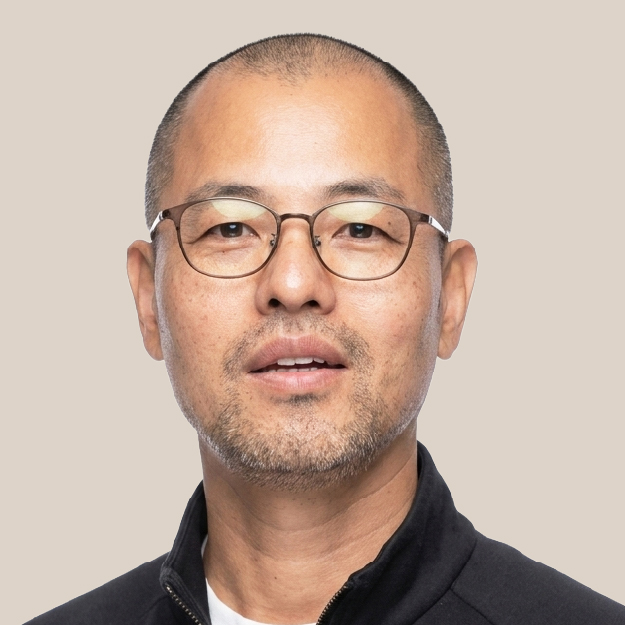
Technical Account Manager, A2MAC1 Korea
- Speaker ㅣ 강사소개
-
Current: Technical account manager in charge of training the platform and Software Cost Value Engineering
Before: - Product developer for carbon canister solution
- Project manager for centrifugal pump systems for petrochemical and nuclear power sector
- Abstract ㅣ 초록정보
-
- Software sourcing strategy change in SDV era
- The factors should be considered in software cost estimation: FSM & impact factors
- COCOMO II model: the calibration matters
- The qualification
- Maturity measurement and risk adjustment

Technical Consultant, IAV GmbH
- Speaker ㅣ 강사소개
-
Jan Weber is a technical consultant at IAV in the Connected & Distributed Systems division, where he focuses on Software Defined Vehicle (SDV) architectures and connected platforms. Since 2022, he has been Product Owner of IAV’s IoT Device Management Platform and, since 2023, the lead architect for IAV’s SDV demonstrator, after previously designing IoT platforms for automotive customers. Jan studied computer science at TU Braunschweig and qualified as an IT Specialist in Application Development.
- Abstract ㅣ 초록정보
-
This talk presents an engineering-centric approach to realizing next-level Software Defined Vehicles (SDVs) based on the UBER-X principles: over-the-air Updates, Backports, Extensions, Reuse, and development eXperience. Continuous in-field data acquisition, digital twins, AI-supported engineering, and OTA updates across the lifecycle enable rapid improvements of functions while maintaining quality and safety. SDV architectures and toolchains that decouple software from hardware turn vehicle and cloud into a unified innovation platform, supporting backports and extensions across vehicle generations, while modular containers and standardized APIs promote reuse. DevOps pipelines - enriched with virtual ECUs as digital twins - provide a modern development experience to accelerate time to market. We show how IAV solutions can operationalize the UBER-X principles.
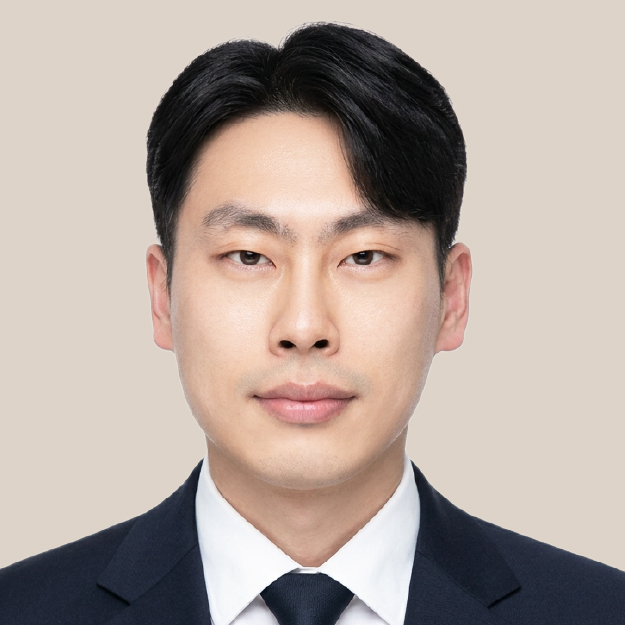
Team Leader, MDS Intelligence
- Speaker ㅣ 강사소개
-
여동근 부장은 MDS 인텔리전스에서 자동차 임베디드 SW 아키텍처 컨설팅을 전담하며, 19년간 국내 주요 OEM 및 Tier-1의 SDV 전환 핵심 과제를 해결해 왔다.
현재 전통적인 문서 중심 개발을 넘어 아키텍처 모델 요소를 자산화하는 'Static Digital Twin'과 요구사항부터 SBOM까지 관통하는 'Digital Thread' 구축을 주도하고 있다.
특히 양방향 'Roundtrip Engineering' 메커니즘을 통해 소스코드와 설계의 일관성을 상시 유지하는 'Real-Time Architecture Driven Engineering' 패러다임 확립에 주력하고 있다.
본 세션에서는 현장 경험을 바탕으로 ISO 26262 FFI/DFA 및 ISO/SAE 21434 규제 대응을 데이터 레벨에서 완벽히 증명하는 가장 현실적인 기술 로드맵을 공유한다.
- Abstract ㅣ 초록정보
-
Software Defined Vehicle (SDV) 시대에는 차량이 양산(Start of Production)된 이후에도 OTA 업데이트, 신규 기능 배포, 성능 개선 및 보안 패치가 지속적으로 수행되며 소프트웨어가 끊임없이 진화합니다. 이러한 환경에서는 하나의 개발 프로젝트가 종료되는 것이 아니라 수많은 V-Cycle이 반복적으로 수행되며, 소프트웨어 아키텍처 역시 지속적으로 변화하게 됩니다. 그러나 실제 프로젝트 후반부로 갈수록 설계보다 구현 코드 중심의 수정이 증가하면서 설계와 구현 간의 불일치가 누적되고, 결국 Architecture Drift가 발생합니다. 이로 인해 설계 문서는 최신 시스템 상태를 반영하지 못하게 되며, Hidden Dependency와 영향 범위의 불확실성이 증가하여 유지보수 비용과 품질 리스크가 커지게 됩니다.
본 발표에서는 이러한 문제를 해결하기 위한 핵심 메커니즘으로 Roundtrip Engineering을 제안합니다. Forward Engineering이 설계 의도(Design Intent)를 구현 시스템에 반영하는 과정이라면, Reverse Engineering은 검증된 구현 현실(Implementation Reality)을 설계에 환원하는 과정입니다. 두 방향의 지속적인 동기화를 통해 Architecture Consistency를 유지함으로써 다음 V-Cycle이 항상 최신 Architecture Baseline 위에서 시작될 수 있도록 하는 것이 Roundtrip Engineering의 본질입니다. 또한 Digital Engineering은 문서(Document)가 아닌 Digital Model을 중심으로 수행되어야 함을 강조합니다. Software Component, Port Interface, Runnable Entity, Task, Partition과 같은 모델 요소(Object)와 이들 간의 관계(Relationship)를 엔지니어링 데이터로 관리하고, 이를 ALM 환경에 실시간 동기화하여 Static Digital Twin을 구축함으로써 기계가 이해할 수 있는 아키텍처 데이터 기반을 마련할 수 있습니다. 이를 통해 Requirements, Design, Code, Test, SBOM을 연결하는 Digital Thread를 구현하고, 설계 변경이나 보안 취약점 발생 시 영향 범위를 신속하게 추적할 수 있는 Trustworthy Impact Analysis가 가능해집니다.
특히 ISO 26262의 FFI(Freedom From Interference), DFA(Dependent Failure Analysis)와 ISO/SAE 21434 기반의 Security Impact Analysis는 신뢰할 수 있는 아키텍처 데이터 없이는 수행될 수 없습니다. 본 발표에서는 Roundtrip Engineering, Static Digital Twin, Digital Thread를 기반으로 Real-Time Architecture를 유지하고, 이를 통해 Trustworthy Safety Evidence와 Trustworthy Release Decision을 지원하는 Real-Time Architecture Driven Engineering 패러다임을 제시합니다. 이는 SDV 시대의 지속 가능한 소프트웨어 진화를 위한 새로운 엔지니어링 기준이 될 것입니다.
Keywords
- Software Defined Vehicle (SDV)
- Architecture Consistency
- Roundtrip Engineering
- Digital Thread
- Digital Model
- Static Digital Twin
- Real-Time Architecture
- Impact Analysis (ISO 26262 & ISO/SAE 21434)
- Functional Safety (ISO 26262)
- Cybersecurity Engineering (ISO/SAE 21434)
Field Application Engineer, Green Hills Software
- Speaker ㅣ 강사소개
-
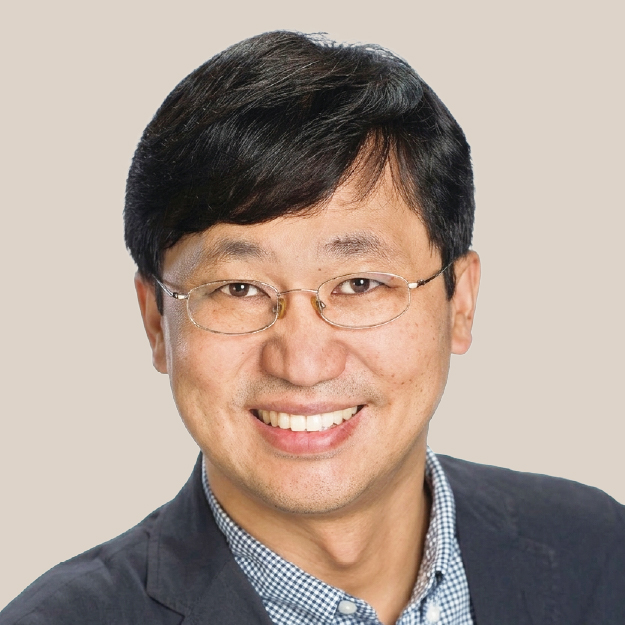
Byungmin Jeon is a specialized leader in the South Korean embedded systems industry, with an emphasis on high-integrity software solutions for the automotive sectors. He specializes in the deployment of mission-critical technologies, including real-time operating systems (RTOS) and certified compilers designed for complex, multi-core environments.
With extensive expertise in functional safety standards such as ISO 26262 (ASIL D), Byungmin is a strategic voice on the architectural challenges of Mixed-Criticality Systems. He has played a pivotal role in bridging the gap between advanced hardware capabilities and the rigorous software isolation required to host safety-critical and non-critical functions on shared platforms.
Byungmin is recognized for his ability to align international technical innovations with domestic industry requirements, driving the adoption of certified platforms in complex embedded environments.
In his session, "The Challenge of Sharing," he explores how robust partitioning enables the safe consolidation of modern embedded environments.
- Abstract ㅣ 초록정보
-
With multicore processors now standard, modern cars and aircraft are integrating diverse systems onto shared hardware. For example, a single chip might now handle both a car's autonomous driving functions and its GPS navigation, or a plane's flight controls and in-flight entertainment. This consolidation creates a significant problem: how can engineers prevent a glitch in a non-critical application from causing a fatal failure in a safety-critical one?
This session dives into the technical solutions from the automotive and avionics sectors. We'll discuss how to use tools like separation kernels, time-triggered scheduling, and hardware-enforced isolation to manage resource contention and guarantee fault containment, ensuring your system remains predictable and certifiable to industry standards.
Track 1C
(Software Defined Vehicles & Digital Experience)09:00AM - 5:20PM
Vehicle software architecture, SDV transition, digital cockpit, UX innovation.
- - Software-Defined Vehicle (SDV)
- - Vehicle OS & Middleware
- - Over-the-Air (OTA) Updates
- - Digital Twin & Model-Based Engineering
- - Virtual Validation / Simulation
- - Automotive Cloud & DevOps
- - In-Vehicle Infotainment (IVI)
- - Human-Machine Interface (HMI)
- - User Experience (UX) & Personalization
- - Engineering Collaboration & Lifecycle Management
Vice President, ETAS GmbH
- Speaker ㅣ 강사소개
-
After his PhD in Computer Science (TH Karlsruhe) Mr. Zerfowski joined the Robert Bosch GmbH. His more than 25 years’ experience in the automotive industry covers software engineering in different application domains (body electronics including electrical drives, brake systems, park assist). During 2009-2012 Mr. Zerfowski established an engineering section for the Bosch division Automotive Electronic at India. Afterwards he took over the position of the Managing Director of the 100% Bosch subsidiary ETAS Automotive India Prv. Ltd. From 2015 till 2018 Mr. Zerfowski was with a Bosch corporate technology department and was responsible for the Bosch corporate SW strategies in the automotive domain. Since 2018 he is with the Bosch daughter ETAS GmbH in the position of Vice President Engineering Excellence.
데틀레프 제르포프스키(Detlef Zerfowski) 박사는 독일 카를스루에 공과대학교(TH Karlsruhe)에서 컴퓨터공학 박사 학위를 취득한 후 Bosch와 ETAS에서 25년 이상의 경력을 쌓은 자동차 소프트웨어 분야의 노련한 전문가다. 그는 전기 드라이브를 포함한 바디 일렉트로닉스, 브레이크 시스템, 주차 보조 시스템 등 다양한 애플리케이션 영역의 소프트웨어 엔지니어링을 담당해 왔다.
2009년부터 2012년까지 인도에 Bosch 오토모티브 일렉트로닉스 부문의 엔지니어링 조직 설립을 주도했으며, 이후 Bosch의 100% 자회사인 ETAS Automotive India Pvt. Ltd.의 대표이사(Managing Director)를 역임했다. 2015년부터 2018년까지 Bosch 본사의 기술 부서(Bosch Corporate Technology)에서 근무하며 자동차 분야의 Bosch 그룹 소프트웨어 전략을 총괄했다. 2018년부터는 Bosch 자회사인 ETAS GmbH에서 Engineering Excellence 부문 부사장으로 재직 중이다.
- Abstract ㅣ 초록정보
-
Over past years many OEM tried to develop and establish their own middleware solutions. Most of OEM recognized that proprietary solution might not scale within single companies. Therefore new collaborative approaches based on open source enter the automotive domain.
During the keynote we will present different archetypes of automotive software and their underlying middleware stacks, as well as AI powered development toolchains. For the domain of high-performance vehicle computers, we will present the Eclipse S-Core project and its usage in safety critical automotive applications. Additionally, we will introduce the Eclipse Foundation and discuss, how open source based software stacks tackle the maintenance challenge (especially regarding security) for automotive specific long term product lifecycles.
In this context we consider required cultural changes in the industry. Companies, which will adapt to the change, will see benefits in less complexity, less costs, higher quality, higher development speed, etc.지난 몇 년간 많은 완성차 업체(OEM)들은 독자적인 미들웨어 솔루션을 개발하고 정착시키고자 노력해왔습니다. 그러나 대부분의 OEM들은 독자적인 솔루션이 단일 기업 내에서도 확장성을 확보하기 어렵다는 점을 깨달았습니다. 이에 따라 오픈소스 기반의 새로운 협업 방식이 자동차 산업에 본격적으로 도입되고 있습니다.
본 기조강연에서는 다양한 자동차 소프트웨어 아키타입과 이를 구성하는 미들웨어 스택, 그리고 AI 기반 개발 툴체인을 소개합니다. 특히 고성능 차량 컴퓨터(HPC) 영역에서, Eclipse S-Core 프로젝트와 이 프로젝트가 안전 필수(safety-critical) 자동차 애플리케이션에 어떻게 활용되는지 공유하고자 합니다.
또한 Eclipse Foundation을 소개하고, 오픈소스 기반 소프트웨어 스택이 자동차 산업 특유의 장기 제품 수명주기에서 유지보수, 특히 보안 측면의 과제를 어떻게 해결할 수 있는지를 논의할 것입니다. 마지막으로 이러한 변화와 함께 산업 전반에 요구되는 문화적 변화도 함께 짚어봅니다. 변화에 적응하는 기업은 복잡성 감소, 비용 절감, 품질 향상, 개발 속도 향상 등의 이점을 누리게 될 것입니다.
VP System Incubation & CTO, TrustMotion
- Speaker ㅣ 강사소개
-
Dr. Stefan Poledna is CTO of TrustMotion (formerly TTTech Auto) and Head of System Incubation. He is a co-founder of the company and brings more than 30 years of international experience in automotive systems and software development.
He has played a key role in shaping the company’s technology roadmap and driving innovation in automotive safety and software architecture. His leadership has been widely recognized in the industry, particularly for advancing foundational technologies such as safety middleware platforms for early ADAS domain controller architectures.
He has authored and co-authored more than 80 patents and several publications. He received his M.Sc. and Ph.D. degree in computer science with distinction from Vienna University of Technology, where he also lectures on Dependable Computer Systems.스테판 폴레드나(Stefan Poledna) 박사는 TrustMotion(구 TTTech Auto)의 CTO이자 시스템 인큐베이션(System Incubation) 책임자이다. 그는 회사의 공동 창립자로서 자동차 시스템 및 소프트웨어 개발 분야에서 30년 이상의 국제적인 경험을 보유하고 있다.
그는 회사의 기술 로드맵을 수립하고 자동차 안전 및 소프트웨어 아키텍처 혁신을 주도하는 데 핵심적인 역할을 해 왔다. 그의 리더십은 업계에서 널리 인정받고 있으며, 특히 초기 ADAS 도메인 컨트롤러 아키텍처를 위한 안전 미들웨어 플랫폼 등 기반 기술 발전을 이끈 인물로 높이 평가받고 있다.
또한 그는 80건 이상의 특허를 단독 또는 공동으로 출원했으며, 다수의 논문을 발표했다. 비엔나 공과대학교(Vienna University of Technology)에서 컴퓨터공학 석사 및 박사 학위를 우수한 성적으로 취득했으며, 동 대학에서 신뢰성 컴퓨터 시스템(Dependable Computer Systems) 과목을 강의하고 있다.
- Abstract ㅣ 초록정보
-
Compute architectures within robotics and mobility are experiencing substantial transformation. The industry has shifted from distributed control systems toward centralized, heterogeneous platforms tailored to advance Physical AI. This transition, initially prevalent in the automotive sector, is now influencing the broader field of robotics. Robotics applications demand robust high-bandwidth sensor fusion and ultra-low-latency actuation. Contemporary humanoid and autonomous mobile robots generate vast amounts of sensor data—often multiple gigabytes per second. Traditional CPU-based controllers are increasingly inadequate for managing such significant data throughput.
Historically, legacy computing infrastructure in robotics and mobility was fragmented and inflexible, depending on serialized processing via federated MCUs and industrial PLCs for real-time operations, thereby lacking parallelism. This environment was dominated by monolithic hardware-software solutions, often requiring ECU replacements for system upgrades, while earlier frameworks like ROS1 suffered from pronounced latency in multiprocess communication.
In contrast, modern computing architectures are designed to accommodate the substantial bandwidth generated by LiDAR, high-resolution cameras, and the parallel processing requirements of deep learning, Vision-Language-Action models, and end-to-end AI systems in both robotics and mobility. These systems frequently deploy heterogeneous Systems on Chip (SoCs) that integrate CPUs, GPUs, NPUs, and dedicated accelerators. Such advancements enable centralized and zonal computing nodes interconnected via Ethernet. Software frameworks like ROS2 further optimize performance through shared memory transport mechanisms.
This evolution necessitates concurrent advancements in software architecture, moving beyond monolithic deployments limited to real-time operating systems. Our experience demonstrates that these environments require platforms which supplement the operating system with advanced scheduling and communication capabilities, ensuring reliable execution and inter-component communication even amid complex dependency graphs.
To fully leverage the benefits of these architectures, an additional abstraction layer is essential: middleware platforms that decouple application logic from hardware topology, unifying communication, timing, and deployment across zonal and centralized nodes. By managing these aspects at the platform level, development teams can redirect efforts from infrastructure integration to enhancing system-level functionality, thereby reducing integration cycles, accelerating time to market, and supporting ongoing software evolution.
Increasingly, such middleware platforms are recognized as pivotal enablers for bridging the diversity of hardware architectures with the rapid innovation required in modern humanoids and autonomous vehicles. They deliver a standardized layer for communication, timing, and deployment, empowering applications to be developed and deployed independently of underlying hardware. This abstraction streamlines feature integration and fosters both scalability and long-term maintainability.로보틱스 및 모빌리티 분야의 컴퓨팅 아키텍처는 현재 큰 변화를 겪고 있습니다. 산업 전반은 분산형 제어 시스템에서 Physical AI 구현에 최적화된 중앙집중형 이기종 플랫폼으로 빠르게 전환되고 있습니다. 이러한 변화는 자동차 산업에서 먼저 시작됐으며, 이제 로보틱스 분야 전반으로 확산되고 있습니다. 로보틱스 애플리케이션은 고대역폭 센서 융합과 초저지연 액추에이션을 요구합니다. 최근 휴머노이드 및 자율이동로봇(AMR)은 초당 수 기가바이트에 달하는 방대한 센서 데이터를 생성하고 있으며, 기존 CPU 기반 제어기는 이러한 데이터 처리량을 감당하는 데 한계를 드러내고 있습니다.
과거 로보틱스 및 모빌리티 분야의 컴퓨팅 인프라는 분산된 MCU와 산업용 PLC 기반의 직렬 처리 구조에 의존해왔으며, 병렬 처리에 적합하지 않은 파편화되고 유연하지 않은 구조였습니다. 또한 하드웨어와 소프트웨어가 긴밀히 결합된 모놀리식 구조가 일반적이어서 시스템 업그레이드를 위해 ECU 자체를 교체해야 하는 경우가 많았습니다. 초기 프레임워크인 ROS1 역시 프로세스 간 통신 지연 문제가 컸습니다.
반면 최신 컴퓨팅 아키텍처는 LiDAR, 고해상도 카메라, 딥러닝, Vision-Language-Action 모델, 엔드투엔드 AI 시스템이 요구하는 대규모 데이터 대역폭과 병렬 연산을 수용하도록 설계되고 있습니다. 이를 위해 CPU, GPU, NPU 및 전용 가속기를 통합한 이기종 SoC(System on Chip)가 활용되며, Ethernet 기반으로 연결된 중앙집중형 및 조널(zonal) 컴퓨팅 노드 구조가 도입되고 있습니다. ROS2와 같은 소프트웨어 프레임워크는 공유 메모리 기반 전송 메커니즘을 통해 성능을 더욱 최적화합니다. 이러한 변화는 소프트웨어 아키텍처 측면에서도 발전을 요구하고 있습니다. 단순 실시간 운영체제 기반의 모놀리식 구조를 넘어, 고급 스케줄링 및 통신 기능을 제공하는 플랫폼이 필요합니다. 이는 복잡한 의존성 구조에서도 안정적인 실행과 컴포넌트 간 통신을 보장하기 위해서입니다.
또한 이러한 아키텍처의 장점을 극대화하기 위해서는 애플리케이션 로직과 하드웨어 토폴로지를 분리하는 미들웨어 플랫폼이 필수적입니다. 이러한 플랫폼은 중앙집중형 및 조널 노드 전반에서 통신, 타이밍, 배포를 통합 관리함으로써 개발팀이 인프라 통합보다 시스템 기능 개발에 집중할 수 있도록 지원합니다. 그 결과 통합 기간 단축, 시장 출시 기간 단축, 지속적인 소프트웨어 진화 지원이 가능해집니다.
최근 이러한 미들웨어 플랫폼은 다양한 하드웨어 아키텍처와 빠른 혁신이 요구되는 휴머노이드 및 자율주행차 환경을 연결하는 핵심 요소로 주목받고 있습니다. 이들은 통신, 타이밍, 배포를 위한 표준화된 계층을 제공함으로써 애플리케이션이 하드웨어에 종속되지 않고 독립적으로 개발 및 배포될 수 있도록 지원합니다. 이러한 추상화는 기능 통합을 단순화하고 확장성과 장기 유지 보수성을 향상시킵니다.
Global-CTO, AutoCrypt
- Speaker ㅣ 강사소개
-
Eui-seok Kim is a vehicle security expert and serves as the head of domestic and global automotive security business at AutoCrypt, a company specializing in autonomous driving and automotive cybersecurity.
김의석 사장은 차량 보안 전문가로, 자율주행 및 자동차 사이버 보안 기업인 아우토크립트(AUTOCRYPT)의 국내외 차량 보안사업 총괄을 맡고 있다.
- Abstract ㅣ 초록정보
-
Chief Commercial Officer, Commercial Organization, Elektrobit
- Speaker ㅣ 강사소개
-
Arvind Murthy is Chief Commercial Officer at Elektrobit, an award-winning and trusted partner in the transition to the software-defined vehicle (SDV). He has over 30 years of leadership experience, transforming global revenue growth strategies across multiple industries like Automotive, Manufacturing, and Hi-Tech. Previously, Arvind was Chief Revenue Officer at TAO Digital Solutions. Prior to that he held a Director Position at Amazon Web Services (AWS) for Partner Strategy & Sales and served in various leadership positions at GlobalLogic, Prodapt and Wipro Technologies. Arvind has a Bachelor of Engineering (B.E.) in Electronics & Communications from Bangalore University.
아르빈드 머시(Arvind Murthy)는 SDV 전환 분야에서 수상 경력을 자랑하는 신뢰받는 파트너 기업인 일렉트로비트의 최고상업책임자(CCO)이다. 그는 자동차, 제조, 하이테크 등 다양한 산업 전반에 걸쳐 글로벌 매출 성장 전략을 혁신하며 30년 이상의 리더십 경력을 쌓아왔다.
일렉트로비트 합류 전에는 TAO 디지털 솔루션즈(TAO Digital Solutions)에서 최고매출책임자(CRO)를 역임했으며, 그 전에는 아마존 웹 서비스(AWS)에서 파트너 전략 및 영업 부문 이사직을 수행했다. 또한 글로벌로직(GlobalLogic), 프로댑트(Prodapt), 위프로 테크놀로지스(Wipro Technologies) 등 여러 기업에서 다양한 리더십 직책을 맡은 바 있다. 그는 벵갈루루 대학교에서 전자통신공학 학사 학위를 취득했다.
- Abstract ㅣ 초록정보
-
Head, AI & Autonomous Driving Technology Research Institute, KATECH
- Speaker ㅣ 강사소개
-
Head, AI & Autonomous Driving Technology Research Institute
Senior Vice President
Korea Automotive Technology Institute (KATECH) | March 2026 – Present
Leading AI-Defined Mobility transition through On-Device Physical AI and world-model-based autonomous architecture, advancing beyond conventional SDV paradigms toward AI-Defined Vehicles (AIDV) optimized for real-time safety-critical mobility.
△ Strategic Focus AI-Defined Mobility Architecture | On-Device Physical AI | World Models for Autonomous Driving | Vehicle Dynamics-Aware Policy Learning | Stability-Constrained Learning | Energy-Aware Embedded AI (TOPS/W) | Data-Simulation Flywheel
△ Professional Background
Research Fellow, Hyundai Motor Company (2016–2025) | Founder & Head, MIT-HMC Embedded Physical AI Lab (2023–2025) | President (37th), Korean Society of Automotive Engineers (2024) | Visiting Scientist, University of Michigan (2011)
△ Awards & Impact
Hyundai Chairman’s Award (2015) | FISITA Outstanding Paper Award (2021) | 524 Patent Applications (434 Granted)
△ Core Expertise
On-Device Physical AI | AI-Defined Vehicle Architecture | Physics-Fusion AI Control | Embedded Real-Time AI | Intelligent Drive & Motion Control | Human-Centric Mobility Intelligence전병욱 소장은 1992년 현대자동차 연구소에 입사해 차량제어 및 주행감성 연구를 수행했으며, 2011년 미국 미시간대학교 방문 과학자로 활동했다. 2016년부터 현대자동차 연구위원으로 차량제어용 Embedded Physical AI 기술 개발을 주도했으며, 2022년에는 미국 매사추세츠공과대학(MIT)과 Embedded Physical AI 공동연구실을 창립해 총괄했다. 현대자동차 재직 중 국내외 특허 총 524건을 출원했으며, IR52 장영실상과 FISITA Outstanding Paper Award를 수상했다. 2024년 한국자동차공학회 회장을 역임했으며, 현재 한국자동차연구원 AI·자율주행기술연구소장으로 재직 중이다.
- Abstract ㅣ 초록정보
-
자동차 산업은 소프트웨어 정의 차량(SDV) 시대를 거쳐 인공지능 정의 차량(AIDV) 시대로 진화하고 있습니다. 이제 인공지능은 단순히 정보를 처리하는 수준을 넘어 물리 세계를 이해하고 스스로 판단하며 행동하는 피지컬 AI로 발전하고 있습니다. 이러한 변화는 자율주행뿐 아니라 차량 제어, 사용자 경험, 로봇, 스마트 제조 등 다양한 산업 영역으로 확산되고 있으며, 모빌리티의 개념 자체를 새롭게 정의하고 있습니다.
본 강연에서는 피지컬 AI가 등장하게 된 기술적 배경과 산업적 의미를 살펴보고, 온디바이스 AI, 월드모델, AI 반도체 등 핵심 기술의 발전 방향을 소개합니다. 또한 차량과 로봇, 인프라가 연결된 미래 지능형 시스템의 모습을 전망하고, 대한민국이 글로벌 경쟁력 확보를 위해 준비해야 할 전략적 과제와 기회를 함께 논의합니다.
Eclipse Pullpiri & Timpani Project Lead, LG Electronics
- Speaker ㅣ 강사소개
-
- Abstract ㅣ 초록정보
-
In this talk, Chulhee will introduce the Eclipse SDV initiative and explain how an open-source-driven approach contributes to enabling Software Defined Vehicles (SDV). He will highlight key achievements and share how it has supported the growth of an open-source ecosystem in Korea. Furthermore, the talk will critically examine whether open source alone is sufficient for global collaboration and discuss future challenges.
본 발표에서는 Eclipse SDV 이니셔티브를 중심으로 오픈소스 기반 접근이 SDV 구현에 어떻게 기여하는지 소개합니다. 또한 주요 성과와 한국 오픈소스 생태계 사례를 공유하고, 글로벌 협업 관점에서 향후 과제를 논의합니다.
Chief Strategy Officer, FESCARO
- Speaker ㅣ 강사소개
-
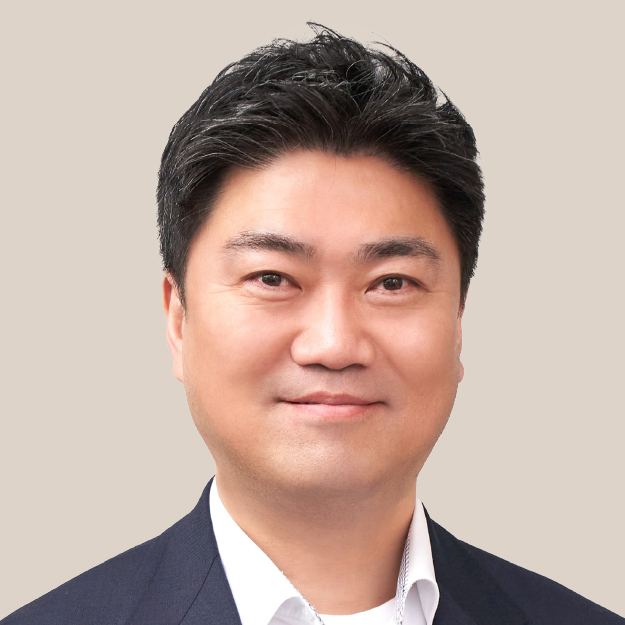
구성서 상무이사는 글로벌 제어기 제작사 휴맥스(HUMAX)에서 20년 이상 임베디드 시스템 소프트웨어를 개발했다. 시스템 보안(OS Hardening)과 콘텐츠 보호 솔루션(CAS: Conditional Access System, DRM: Data Rights Management 등)을 중심으로 개발 역량을 축적했으며, 2018년부터 자동차 전장 분야로 영역을 확장했다. 특히 현대·기아차 중국향 모델의 AVNT(Audio, Video, Navigation, Telematics) 소프트웨어 개발 프로젝트를 총괄하고, 실제 양산까지 성공적으로 이끈 바 있다. 임베디드 시스템과 사이버보안에 대한 깊은 전문성을 바탕으로, 현재는 차량 통합보안 플랫폼 전문기업 페스카로에서 글로벌 사업개발본부를 총괄하고 있다. 국내외 차량 제작사 및 제어기 개발사에 최적화된 자동차 사이버보안 전략과 솔루션을 제시하고 있다.
- Abstract ㅣ 초록정보
-
OEM expectations have raised the bar. They no longer ask, "Do you have a process?" They demand instant proof of your response to specific vulnerabilities and incidents. For Tier suppliers, the challenge has shifted from "doing" security to "proving" it.
Most suppliers are trapped in "Audit Firefighting"—the exhausting process of reconstructing records from emails and spreadsheets. This structural gap leads to audit fatigue, increased liability, and lost business opportunities.
FESCARO’s CSMS Portal transforms engineers' daily workflows into Audit-Ready Evidence. Built on an automotive-specific data model, it unifies end-to-end workflows into a single system. Every action—from vulnerability response to final approval—is captured in real-time and automatically accumulated. This frees engineers from "paperwork hell" while ensuring flawless traceability without human error.
In this session, we will demonstrate how to transition from "Audit Firefighting" to "Audit-Ready by default" through real-world operational practices.OEM의 기대치가 높아졌습니다. 이제는 단순히 "보안 프로세스가 있느냐"를 넘어, "최근 발생한 특정 취약점 및 사고에 어떻게 대응했는지 즉각적인 증거"를 요구합니다. 이제 Tier의 과제는 보안을 '하는 것'을 넘어, '증명하는 것'으로 진화했습니다.
하지만, 대다수 부품사는 여전히 '감사 불 끄기(Audit Firefighting)'에 갇혀 있습니다. 감사 때마다 이메일과 엑셀을 뒤지며 과거 기록을 재구성하느라 고생합니다. 이런 구조적 공백은 결국 감사 대응의 피로도를 넘어, 법적 책임(Liability) 리스크와 수주 경쟁력 약화로 이어집니다.
페스카로의 CSMS 포털은 엔지니어의 일상을 '감사 대비 증적'으로 전환합니다. 자동차 보안 특화 데이터 모델을 기반으로, 전 과정에 걸친(end-to-end) 업무 흐름을 하나의 시스템으로 통합합니다. 취약점 대응부터 최종 승인에 이르기까지 모든 작업이 실시간으로 캡처되고 자동으로 축적됩니다. 엔지니어들은 “문서화 지옥”에서 해방되고, 인적 오류 없는 매끄러운 추적성도 보장됩니다.
본 세션에서는 Audit Firefighting 조직에서, Audit-Ready 조직으로 전환하는 방법을 실제 운영 관점에서 보여드립니다.
Automotive Solution Architect, Real-Time Innovations
- Speaker ㅣ 강사소개
-
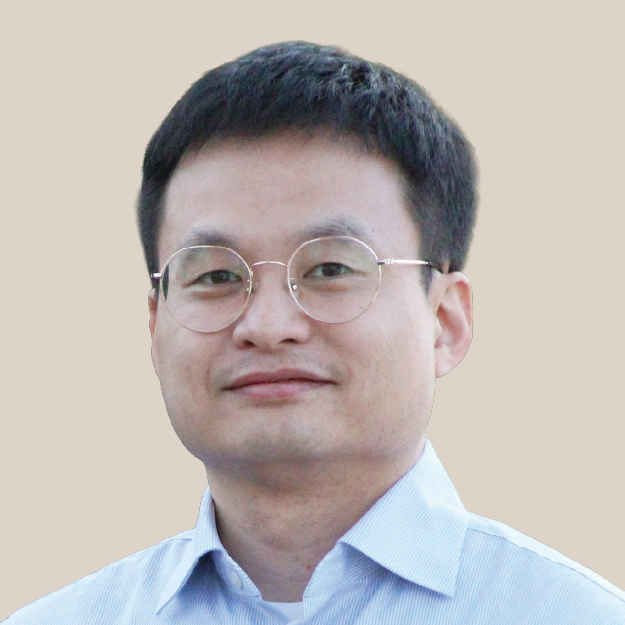
Jiwoong Park is a seasoned software architect with a comprehensive background in avionics and automotive software engineering. He began his automotive career at Hyundai AutoEver, where he contributed to pre-development projects for next-generation ADAS and MDPS systems. Later, at Continental Automotive Korea, he was involved in the mass production development of ACU software, specifically focusing on OTA and security topics.
Currently, as a strategic member of RTI, Jiwoong focuses on defining the future of Software-Defined Vehicle (SDV) architectures. His work centers on optimizing real-time communication platforms, ensuring that connectivity and security converge within smart mobility ecosystems. His profile seamlessly blends decades of industrial standard expertise with a disruptive vision of how software is transforming global mobility.
- Abstract ㅣ 초록정보
-
In the shift to software-defined vehicles (SDVs), traditional development models can no longer keep up with the expected pace of development. This session explores how a robust SDV toolchain built on Data Distribution Service (DDS) provides a streamlined workflow for developers. It provides sequential, integrated tools that improve efficiency while minimizing complexity to shorten the development cycle. The session will discuss the challenges facing SDV developers and walk through the solutions showing specific examples of the SDV Toolchain. Join this session to learn how this DDS-based toolchain streamlines the CI/CD pipeline and accelerates development from prototype to production.
Field Application Engineer, QNX Korea
- Speaker ㅣ 강사소개
-
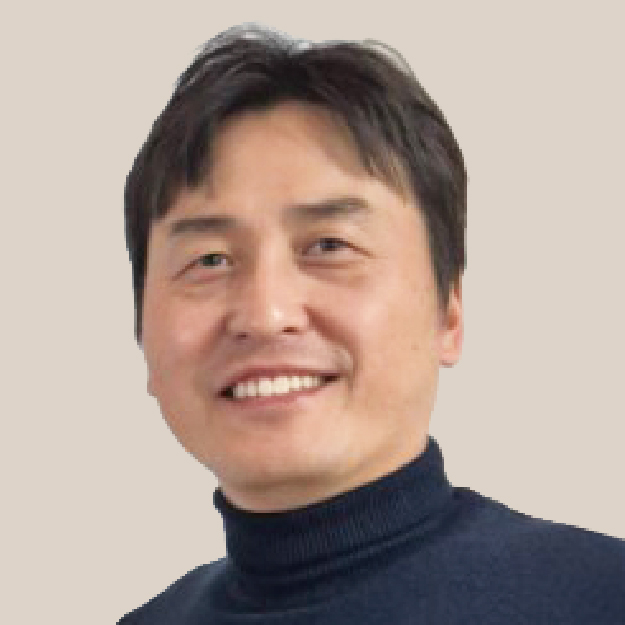
Currently working as an Field Application Engineer (FAE) at QNX Korea. I have 5 years of software development experience in mobile embedded systems and over 10 years in the automotive sector. Based on my extensive experience with numerous OEMs, as well as my expertise in development and processes, I am responsible for technical support at QNX, a company that offers a diverse range of industry-leading products in the Automotive and General Embedded fields.
류민희 차장은 모바일 임베디드 분야에서 5년, 오토모티브 소프트웨어 분야에서 10년 이상의 개발 경력을 보유하고 있으며, 다수의 OEM 프로젝트를 통해 폭넓은 개발 및 프로세스 경험을 쌓아왔다. 이러한 경험을 바탕으로, Automotive 및 General Embedded 영역에서 업계 선도적인 다양한 제품을 보유한 QNX에서 기술 지원 업무를 담당하고 있다.
- Abstract ㅣ 초록정보
-
Software-Defined Vehicle(SDV)는 차량의 기능과 가치를 소프트웨어로 정의하는 새로운 패러다임으로, 전동화 확산과 고성능 SoC, 중앙 집중식 컴퓨팅 아키텍처의 도입과 함께 OTA, 클라우드, AI 활용을 가속화하고 있습니다. 이러한 변화 속에서 OEM과 Tier‑1은 E/E 아키텍처뿐 아니라 조직과 개발 문화 전반의 전환을 요구받고 있으며, 개발자 또한 임베디드와 IT 영역을 아우르는 융합 역량이 필수적으로 요구됩니다.
QNX는 사전 인증된 RTOS와 하이퍼바이저, 안전·보안 프레임워크를 기반으로 ISO 26262 및 ISO/SAE 21434 요구사항을 충족하며 차량의 핵심 기능을 안정적으로 지원합니다. 더 나아가 QNX Cabin, Alloy Kore와 같은 레퍼런스 플랫폼을 통해 SDV 시대에 요구되는 개발 효율성, 신뢰성, 확장성을 고객이 빠르게 확보할 수 있도록 지원하고 있습니다.
Vice President Product Strategy & Management, TrustMotion
- Speaker ㅣ 강사소개
-
Salvador Rodriguez is the Vice President of Product Strategy & Management at TrustMotion (former TTTech Auto), with a 12-year trajectory from software development to strategic leadership in the automotive software sector. His career spans roles in software architecture, project leadership, and product management, culminating in his current executive position. Holding a Master's in Telecommunications, Salvador's expertise bridges technical innovation with strategic vision.
- Abstract ㅣ 초록정보
-
As the automotive industry transitions toward zonal architectures and software-defined vehicles, service-oriented communication is increasingly adopted to improve modularity, reuse, and scalability. However, when applied to Zonal MCUs, customers face a number of practical and performance challenges that limit its effectiveness and increase integration risk.
Typical Service-oriented communication middleware were largely designed with high-performance computing platforms in mind. When deployed on Zonal MCUs, customers struggle with CPU load, memory footprint, and network overhead, especially when multiple applications must run concurrently on these resource-constrained devices. This often leads to difficult trade-offs between functionality, performance, and safety, particularly in mixed-criticality environments.
Zonal MCUs act as a gateway between end nodes (sensors, actuators) and central compute units. OEMs have experienced that service discovery and dynamic binding can introduce non-deterministic latency, making it difficult to guarantee real-time behaviour for time-critical tasks. Ensuring predictable end-to-end timing across different Zonal MCUs remains a major concern.
In addition during actual SOP programs, Zonal MCUs rarely operate in both greenfield and legacy environment. Hence, customers must integrate service-oriented communication alongside legacy signal-based communication provided by stacks such as Classic AUTOSAR. Managing interoperability, consistent data availability, and end-to-end QoS across these heterogeneous stacks significantly increases integration effort and system complexity.
Addressing these issues requires communication solutions that are explicitly designed for heterogeneous MCU-to-MPU systems, support vehicle-wide QoS and safety concepts, and enable a smooth transition from flexible development to rigid series deployment.
This talk will introduce a deterministic communication middleware build with open-source technologies, DDS for MPUs and Zenoh for MCUs. This middleware supports both prototype-friendly architectures and series-ready deployments. There are features that work well in early development such as dynamic discovery and flexible service composition but also provide determinism and reproducibility required for SOP deployment.

Senior Technical Staff, Microchip Technology
- Speaker ㅣ 강사소개
-
Sven brings over 25 years of hands-on experience implementing in-vehicle networks with Microchip's customers in Germany, Japan, Korea, and the US. He is part of the Microchip team behind the latest 10BASE-T1S products and endpoints.
- Abstract ㅣ 초록정보
-
10BASE-T1S brings Ethernet to the sensor/actuator edge of automotive networks, but deploying it in an actual vehicle raises practical challenges beyond the specification. This presentation covers the end-to-end workflow for discovering, configuring, and controlling 10BASE-T1S endpoints on a multidrop bus segment — and the lessons learned when moving from bench to vehicle.
Sales Director, tracetronic Korea
- Speaker ㅣ 강사소개
-
Embedded/automotive control software test & validation engineering and business development for over 25 years.
김택현 상무는 25년 이상 임베디드 및 자동차 제어 소프트웨어 테스트 및 검증 분야에서 경력을 쌓아온 전문가로, 기술과 사업개발을 아우르는 비즈니스 리더다.
삼성테크윈, 현대자동차, 르노코리아 연구소에서 자동차 및 산업용 소프트웨어 개발과 검증 분야의 경험을 쌓았으며, 이후 ETAS Korea에서 ‘소프트웨어 정의 차량 개발 솔루션’ 부문 총괄로서 관련 사업과 기술 전략을 이끌었다.
현재는 트레이스트로닉에서 상무로 재직하며, 자동차 소프트웨어 테스트 자동화 및 SDV 기반 개발 환경 확산을 위한 사업개발과 전략 수립을 담당하고 있다.
- Abstract ㅣ 초록정보
-
The talk shows how AI-driven automation in tracetronic CI/CD/CT platform, one:cx enables a fast path from code to vehicle in only 24 hours. With cloud-native execution, smart test creation, and integrated data analysis, one:cx provides a unified workflow that increases speed, clarity, and software quality in automotive development.
본 세션에서는 트레이스트로닉의 CI/CD/CT 플랫폼인 one:cx에서 AI 기반 자동화를 통해 코드에서 차량까지 단 24시간 만에 연결하는 빠른 개발 경로를 구현하는 방안을 소개합니다. 클라우드 네이티브(cloud-native) 실행, 지능형 테스트 생성, 통합 데이터 분석을 기반으로 one:cx는 자동차 개발 전반에서 속도, 가시성, 소프트웨어 품질을 향상시키는 통합 워크플로우를 제공합니다.
Track 2A
(Autonomous Driving & AI Driven Connectivity)09:00AM - 5:20PM
AI-enabled perception, connectivity, data intelligence, cooperative mobility.
- - Autonomous Driving (Level 2–4)
- - Advanced Driver Assistance Systems (ADAS)
- - AI & Deep Learning for Perception and Decision
- - Sensor Fusion (Camera, Radar, LiDAR)
- - AI & Deep Learning for Perception and Decision
- - Connectivity & V2X Communication
- - Edge / Cloud Computing for Mobility
- - HD Maps & Localization
- - Data Analytics for Mobility Intelligence
- - Real-Time OS & Safety-Critical Software
- - AI-Driven Mobility Platforms
Vice President, ETAS GmbH
- Speaker ㅣ 강사소개
-
After his PhD in Computer Science (TH Karlsruhe) Mr. Zerfowski joined the Robert Bosch GmbH. His more than 25 years’ experience in the automotive industry covers software engineering in different application domains (body electronics including electrical drives, brake systems, park assist). During 2009-2012 Mr. Zerfowski established an engineering section for the Bosch division Automotive Electronic at India. Afterwards he took over the position of the Managing Director of the 100% Bosch subsidiary ETAS Automotive India Prv. Ltd. From 2015 till 2018 Mr. Zerfowski was with a Bosch corporate technology department and was responsible for the Bosch corporate SW strategies in the automotive domain. Since 2018 he is with the Bosch daughter ETAS GmbH in the position of Vice President Engineering Excellence.
데틀레프 제르포프스키(Detlef Zerfowski) 박사는 독일 카를스루에 공과대학교(TH Karlsruhe)에서 컴퓨터공학 박사 학위를 취득한 후 Bosch와 ETAS에서 25년 이상의 경력을 쌓은 자동차 소프트웨어 분야의 노련한 전문가다. 그는 전기 드라이브를 포함한 바디 일렉트로닉스, 브레이크 시스템, 주차 보조 시스템 등 다양한 애플리케이션 영역의 소프트웨어 엔지니어링을 담당해 왔다.
2009년부터 2012년까지 인도에 Bosch 오토모티브 일렉트로닉스 부문의 엔지니어링 조직 설립을 주도했으며, 이후 Bosch의 100% 자회사인 ETAS Automotive India Pvt. Ltd.의 대표이사(Managing Director)를 역임했다. 2015년부터 2018년까지 Bosch 본사의 기술 부서(Bosch Corporate Technology)에서 근무하며 자동차 분야의 Bosch 그룹 소프트웨어 전략을 총괄했다. 2018년부터는 Bosch 자회사인 ETAS GmbH에서 Engineering Excellence 부문 부사장으로 재직 중이다.
- Abstract ㅣ 초록정보
-
Over past years many OEM tried to develop and establish their own middleware solutions. Most of OEM recognized that proprietary solution might not scale within single companies. Therefore new collaborative approaches based on open source enter the automotive domain.
During the keynote we will present different archetypes of automotive software and their underlying middleware stacks, as well as AI powered development toolchains. For the domain of high-performance vehicle computers, we will present the Eclipse S-Core project and its usage in safety critical automotive applications. Additionally, we will introduce the Eclipse Foundation and discuss, how open source based software stacks tackle the maintenance challenge (especially regarding security) for automotive specific long term product lifecycles.
In this context we consider required cultural changes in the industry. Companies, which will adapt to the change, will see benefits in less complexity, less costs, higher quality, higher development speed, etc.지난 몇 년간 많은 완성차 업체(OEM)들은 독자적인 미들웨어 솔루션을 개발하고 정착시키고자 노력해왔습니다. 그러나 대부분의 OEM들은 독자적인 솔루션이 단일 기업 내에서도 확장성을 확보하기 어렵다는 점을 깨달았습니다. 이에 따라 오픈소스 기반의 새로운 협업 방식이 자동차 산업에 본격적으로 도입되고 있습니다.
본 기조강연에서는 다양한 자동차 소프트웨어 아키타입과 이를 구성하는 미들웨어 스택, 그리고 AI 기반 개발 툴체인을 소개합니다. 특히 고성능 차량 컴퓨터(HPC) 영역에서, Eclipse S-Core 프로젝트와 이 프로젝트가 안전 필수(safety-critical) 자동차 애플리케이션에 어떻게 활용되는지 공유하고자 합니다.
또한 Eclipse Foundation을 소개하고, 오픈소스 기반 소프트웨어 스택이 자동차 산업 특유의 장기 제품 수명주기에서 유지보수, 특히 보안 측면의 과제를 어떻게 해결할 수 있는지를 논의할 것입니다. 마지막으로 이러한 변화와 함께 산업 전반에 요구되는 문화적 변화도 함께 짚어봅니다. 변화에 적응하는 기업은 복잡성 감소, 비용 절감, 품질 향상, 개발 속도 향상 등의 이점을 누리게 될 것입니다.
VP System Incubation & CTO, TrustMotion
- Speaker ㅣ 강사소개
-
Dr. Stefan Poledna is CTO of TrustMotion (formerly TTTech Auto) and Head of System Incubation. He is a co-founder of the company and brings more than 30 years of international experience in automotive systems and software development.
He has played a key role in shaping the company’s technology roadmap and driving innovation in automotive safety and software architecture. His leadership has been widely recognized in the industry, particularly for advancing foundational technologies such as safety middleware platforms for early ADAS domain controller architectures.
He has authored and co-authored more than 80 patents and several publications. He received his M.Sc. and Ph.D. degree in computer science with distinction from Vienna University of Technology, where he also lectures on Dependable Computer Systems.스테판 폴레드나(Stefan Poledna) 박사는 TrustMotion(구 TTTech Auto)의 CTO이자 시스템 인큐베이션(System Incubation) 책임자이다. 그는 회사의 공동 창립자로서 자동차 시스템 및 소프트웨어 개발 분야에서 30년 이상의 국제적인 경험을 보유하고 있다.
그는 회사의 기술 로드맵을 수립하고 자동차 안전 및 소프트웨어 아키텍처 혁신을 주도하는 데 핵심적인 역할을 해 왔다. 그의 리더십은 업계에서 널리 인정받고 있으며, 특히 초기 ADAS 도메인 컨트롤러 아키텍처를 위한 안전 미들웨어 플랫폼 등 기반 기술 발전을 이끈 인물로 높이 평가받고 있다.
또한 그는 80건 이상의 특허를 단독 또는 공동으로 출원했으며, 다수의 논문을 발표했다. 비엔나 공과대학교(Vienna University of Technology)에서 컴퓨터공학 석사 및 박사 학위를 우수한 성적으로 취득했으며, 동 대학에서 신뢰성 컴퓨터 시스템(Dependable Computer Systems) 과목을 강의하고 있다.
- Abstract ㅣ 초록정보
-
Compute architectures within robotics and mobility are experiencing substantial transformation. The industry has shifted from distributed control systems toward centralized, heterogeneous platforms tailored to advance Physical AI. This transition, initially prevalent in the automotive sector, is now influencing the broader field of robotics. Robotics applications demand robust high-bandwidth sensor fusion and ultra-low-latency actuation. Contemporary humanoid and autonomous mobile robots generate vast amounts of sensor data—often multiple gigabytes per second. Traditional CPU-based controllers are increasingly inadequate for managing such significant data throughput.
Historically, legacy computing infrastructure in robotics and mobility was fragmented and inflexible, depending on serialized processing via federated MCUs and industrial PLCs for real-time operations, thereby lacking parallelism. This environment was dominated by monolithic hardware-software solutions, often requiring ECU replacements for system upgrades, while earlier frameworks like ROS1 suffered from pronounced latency in multiprocess communication.
In contrast, modern computing architectures are designed to accommodate the substantial bandwidth generated by LiDAR, high-resolution cameras, and the parallel processing requirements of deep learning, Vision-Language-Action models, and end-to-end AI systems in both robotics and mobility. These systems frequently deploy heterogeneous Systems on Chip (SoCs) that integrate CPUs, GPUs, NPUs, and dedicated accelerators. Such advancements enable centralized and zonal computing nodes interconnected via Ethernet. Software frameworks like ROS2 further optimize performance through shared memory transport mechanisms.
This evolution necessitates concurrent advancements in software architecture, moving beyond monolithic deployments limited to real-time operating systems. Our experience demonstrates that these environments require platforms which supplement the operating system with advanced scheduling and communication capabilities, ensuring reliable execution and inter-component communication even amid complex dependency graphs.
To fully leverage the benefits of these architectures, an additional abstraction layer is essential: middleware platforms that decouple application logic from hardware topology, unifying communication, timing, and deployment across zonal and centralized nodes. By managing these aspects at the platform level, development teams can redirect efforts from infrastructure integration to enhancing system-level functionality, thereby reducing integration cycles, accelerating time to market, and supporting ongoing software evolution.
Increasingly, such middleware platforms are recognized as pivotal enablers for bridging the diversity of hardware architectures with the rapid innovation required in modern humanoids and autonomous vehicles. They deliver a standardized layer for communication, timing, and deployment, empowering applications to be developed and deployed independently of underlying hardware. This abstraction streamlines feature integration and fosters both scalability and long-term maintainability.로보틱스 및 모빌리티 분야의 컴퓨팅 아키텍처는 현재 큰 변화를 겪고 있습니다. 산업 전반은 분산형 제어 시스템에서 Physical AI 구현에 최적화된 중앙집중형 이기종 플랫폼으로 빠르게 전환되고 있습니다. 이러한 변화는 자동차 산업에서 먼저 시작됐으며, 이제 로보틱스 분야 전반으로 확산되고 있습니다. 로보틱스 애플리케이션은 고대역폭 센서 융합과 초저지연 액추에이션을 요구합니다. 최근 휴머노이드 및 자율이동로봇(AMR)은 초당 수 기가바이트에 달하는 방대한 센서 데이터를 생성하고 있으며, 기존 CPU 기반 제어기는 이러한 데이터 처리량을 감당하는 데 한계를 드러내고 있습니다.
과거 로보틱스 및 모빌리티 분야의 컴퓨팅 인프라는 분산된 MCU와 산업용 PLC 기반의 직렬 처리 구조에 의존해왔으며, 병렬 처리에 적합하지 않은 파편화되고 유연하지 않은 구조였습니다. 또한 하드웨어와 소프트웨어가 긴밀히 결합된 모놀리식 구조가 일반적이어서 시스템 업그레이드를 위해 ECU 자체를 교체해야 하는 경우가 많았습니다. 초기 프레임워크인 ROS1 역시 프로세스 간 통신 지연 문제가 컸습니다.
반면 최신 컴퓨팅 아키텍처는 LiDAR, 고해상도 카메라, 딥러닝, Vision-Language-Action 모델, 엔드투엔드 AI 시스템이 요구하는 대규모 데이터 대역폭과 병렬 연산을 수용하도록 설계되고 있습니다. 이를 위해 CPU, GPU, NPU 및 전용 가속기를 통합한 이기종 SoC(System on Chip)가 활용되며, Ethernet 기반으로 연결된 중앙집중형 및 조널(zonal) 컴퓨팅 노드 구조가 도입되고 있습니다. ROS2와 같은 소프트웨어 프레임워크는 공유 메모리 기반 전송 메커니즘을 통해 성능을 더욱 최적화합니다. 이러한 변화는 소프트웨어 아키텍처 측면에서도 발전을 요구하고 있습니다. 단순 실시간 운영체제 기반의 모놀리식 구조를 넘어, 고급 스케줄링 및 통신 기능을 제공하는 플랫폼이 필요합니다. 이는 복잡한 의존성 구조에서도 안정적인 실행과 컴포넌트 간 통신을 보장하기 위해서입니다.
또한 이러한 아키텍처의 장점을 극대화하기 위해서는 애플리케이션 로직과 하드웨어 토폴로지를 분리하는 미들웨어 플랫폼이 필수적입니다. 이러한 플랫폼은 중앙집중형 및 조널 노드 전반에서 통신, 타이밍, 배포를 통합 관리함으로써 개발팀이 인프라 통합보다 시스템 기능 개발에 집중할 수 있도록 지원합니다. 그 결과 통합 기간 단축, 시장 출시 기간 단축, 지속적인 소프트웨어 진화 지원이 가능해집니다.
최근 이러한 미들웨어 플랫폼은 다양한 하드웨어 아키텍처와 빠른 혁신이 요구되는 휴머노이드 및 자율주행차 환경을 연결하는 핵심 요소로 주목받고 있습니다. 이들은 통신, 타이밍, 배포를 위한 표준화된 계층을 제공함으로써 애플리케이션이 하드웨어에 종속되지 않고 독립적으로 개발 및 배포될 수 있도록 지원합니다. 이러한 추상화는 기능 통합을 단순화하고 확장성과 장기 유지 보수성을 향상시킵니다.
Global-CTO, AutoCrypt
- Speaker ㅣ 강사소개
-
Eui-seok Kim is a vehicle security expert and serves as the head of domestic and global automotive security business at AutoCrypt, a company specializing in autonomous driving and automotive cybersecurity.
김의석 사장은 차량 보안 전문가로, 자율주행 및 자동차 사이버 보안 기업인 아우토크립트(AUTOCRYPT)의 국내외 차량 보안사업 총괄을 맡고 있다.
- Abstract ㅣ 초록정보
-
Chief Commercial Officer, Commercial Organization, Elektrobit
- Speaker ㅣ 강사소개
-
Arvind Murthy is Chief Commercial Officer at Elektrobit, an award-winning and trusted partner in the transition to the software-defined vehicle (SDV). He has over 30 years of leadership experience, transforming global revenue growth strategies across multiple industries like Automotive, Manufacturing, and Hi-Tech. Previously, Arvind was Chief Revenue Officer at TAO Digital Solutions. Prior to that he held a Director Position at Amazon Web Services (AWS) for Partner Strategy & Sales and served in various leadership positions at GlobalLogic, Prodapt and Wipro Technologies. Arvind has a Bachelor of Engineering (B.E.) in Electronics & Communications from Bangalore University.
아르빈드 머시(Arvind Murthy)는 SDV 전환 분야에서 수상 경력을 자랑하는 신뢰받는 파트너 기업인 일렉트로비트의 최고상업책임자(CCO)이다. 그는 자동차, 제조, 하이테크 등 다양한 산업 전반에 걸쳐 글로벌 매출 성장 전략을 혁신하며 30년 이상의 리더십 경력을 쌓아왔다.
일렉트로비트 합류 전에는 TAO 디지털 솔루션즈(TAO Digital Solutions)에서 최고매출책임자(CRO)를 역임했으며, 그 전에는 아마존 웹 서비스(AWS)에서 파트너 전략 및 영업 부문 이사직을 수행했다. 또한 글로벌로직(GlobalLogic), 프로댑트(Prodapt), 위프로 테크놀로지스(Wipro Technologies) 등 여러 기업에서 다양한 리더십 직책을 맡은 바 있다. 그는 벵갈루루 대학교에서 전자통신공학 학사 학위를 취득했다.
- Abstract ㅣ 초록정보
-
Head, AI & Autonomous Driving Technology Research Institute, KATECH
- Speaker ㅣ 강사소개
-
Head, AI & Autonomous Driving Technology Research Institute
Senior Vice President
Korea Automotive Technology Institute (KATECH) | March 2026 – Present
Leading AI-Defined Mobility transition through On-Device Physical AI and world-model-based autonomous architecture, advancing beyond conventional SDV paradigms toward AI-Defined Vehicles (AIDV) optimized for real-time safety-critical mobility.
△ Strategic Focus AI-Defined Mobility Architecture | On-Device Physical AI | World Models for Autonomous Driving | Vehicle Dynamics-Aware Policy Learning | Stability-Constrained Learning | Energy-Aware Embedded AI (TOPS/W) | Data-Simulation Flywheel
△ Professional Background
Research Fellow, Hyundai Motor Company (2016–2025) | Founder & Head, MIT-HMC Embedded Physical AI Lab (2023–2025) | President (37th), Korean Society of Automotive Engineers (2024) | Visiting Scientist, University of Michigan (2011)
△ Awards & Impact
Hyundai Chairman’s Award (2015) | FISITA Outstanding Paper Award (2021) | 524 Patent Applications (434 Granted)
△ Core Expertise
On-Device Physical AI | AI-Defined Vehicle Architecture | Physics-Fusion AI Control | Embedded Real-Time AI | Intelligent Drive & Motion Control | Human-Centric Mobility Intelligence전병욱 소장은 1992년 현대자동차 연구소에 입사해 차량제어 및 주행감성 연구를 수행했으며, 2011년 미국 미시간대학교 방문 과학자로 활동했다. 2016년부터 현대자동차 연구위원으로 차량제어용 Embedded Physical AI 기술 개발을 주도했으며, 2022년에는 미국 매사추세츠공과대학(MIT)과 Embedded Physical AI 공동연구실을 창립해 총괄했다. 현대자동차 재직 중 국내외 특허 총 524건을 출원했으며, IR52 장영실상과 FISITA Outstanding Paper Award를 수상했다. 2024년 한국자동차공학회 회장을 역임했으며, 현재 한국자동차연구원 AI·자율주행기술연구소장으로 재직 중이다.
- Abstract ㅣ 초록정보
-
자동차 산업은 소프트웨어 정의 차량(SDV) 시대를 거쳐 인공지능 정의 차량(AIDV) 시대로 진화하고 있습니다. 이제 인공지능은 단순히 정보를 처리하는 수준을 넘어 물리 세계를 이해하고 스스로 판단하며 행동하는 피지컬 AI로 발전하고 있습니다. 이러한 변화는 자율주행뿐 아니라 차량 제어, 사용자 경험, 로봇, 스마트 제조 등 다양한 산업 영역으로 확산되고 있으며, 모빌리티의 개념 자체를 새롭게 정의하고 있습니다.
본 강연에서는 피지컬 AI가 등장하게 된 기술적 배경과 산업적 의미를 살펴보고, 온디바이스 AI, 월드모델, AI 반도체 등 핵심 기술의 발전 방향을 소개합니다. 또한 차량과 로봇, 인프라가 연결된 미래 지능형 시스템의 모습을 전망하고, 대한민국이 글로벌 경쟁력 확보를 위해 준비해야 할 전략적 과제와 기회를 함께 논의합니다.
Eclipse Pullpiri & Timpani Project Lead, LG Electronics
- Speaker ㅣ 강사소개
-
- Abstract ㅣ 초록정보
-
In this talk, Chulhee will introduce the Eclipse SDV initiative and explain how an open-source-driven approach contributes to enabling Software Defined Vehicles (SDV). He will highlight key achievements and share how it has supported the growth of an open-source ecosystem in Korea. Furthermore, the talk will critically examine whether open source alone is sufficient for global collaboration and discuss future challenges.
본 발표에서는 Eclipse SDV 이니셔티브를 중심으로 오픈소스 기반 접근이 SDV 구현에 어떻게 기여하는지 소개합니다. 또한 주요 성과와 한국 오픈소스 생태계 사례를 공유하고, 글로벌 협업 관점에서 향후 과제를 논의합니다.

SVP, Head of Automotive Business, Valens Semiconductor
- Speaker ㅣ 강사소개
-
Adar Segal brings over 25 years of experience in technology-driven sales, sales management, and strategic partnerships across the global high-tech industry, with a focus on advanced semiconductors and automotive solutions. Prior to Valens, he served as Chief Sales Officer at TriEye, a semiconductor startup specializing in Short Wave Infra-Red (SWIR) vision technology for automotive and industrial applications. He also held leadership roles at Cadence Design Systems, overseeing sales and growth in Israel. Adar holds an M.B.A and a B.A. in Economics & Business Administration.
- Abstract ㅣ 초록정보
-
Automotive sensing is rapidly evolving, with ADAS and autonomous systems demanding increased sensor resolutions, faster refresh rates, higher bandwidth, and wider color depths. All this leads to a rise in the bandwidth requirements of connectivity technology. MIPI A-PHY is the first industry standard to deliver multi-gigabit, long-reach connectivity purpose-built for automotive. This session explores how A-PHY enables direct, low-latency connections from cameras, radar, and LiDAR sensors, natively extending the widely used MIPI CSI-2 protocol.
We’ll discuss key benefits for OEMs: increased resilience to electromagnetic interferences (EMI), future-proof scalability, interoperability that comes from a multi-vendor ecosystem. Lastly, we'll review how the A-PHY standard enables innovations in sensor technology by allowing vendors to directly integrate A-PHY into the sensor, with an in-depth look at one real-world example of sensor integration.
Vice President, AutoCrypt
- Speaker ㅣ 강사소개
-
SangGyoo Sim, Vice President at AutoCrypt, is an expert in automotive cybersecurity and connected car security, overseeing both technology and business operations at the company.
심상규 부사장은 차량 사이버보안 및 커넥티드카 보안 분야 전문가로, 아우토크립트에서 기술 및 사업을 총괄하고 있다.
- Abstract ㅣ 초록정보
-
Digital Transformation (DX), driven by diverse connectivity and integration with online services, is shifting the paradigm of the automotive industry. Furthermore, the rapid advancement of Artificial Intelligence (AI) has acted as a catalyst, further accelerating this digital transformation. As automotive vehicles and various devices interconnectedly evolve under this massive wave of change spearheaded by DX and AI Transformation (AX), the importance of cybersecurity has become more critical than ever. Accordingly, this presentation seeks to explore strategic approaches to firmly securing cybersecurity for automobiles and Physical AI in the era of AX and DX.
다양한 연결성을 바탕으로 온라인 서비스와 결합하는 디지털 전환(DX)이 자동차 산업의 패러다임을 바꾸고 있습니다. 여기에 인공지능(AI)의 급격한 발전은 자동차의 디지털 전환을 더욱 가속화하는 촉매제가 되었습니다. 이처럼 자동차를 비롯한 다양한 기기들이 DX와 AX(인공지능 전환)가 이끄는 거대한 변화 속에서 상호 연결됨에 따라, 사이버보안의 중요성은 그 어느 때보다 커지고 있습니다.
본 발표에서는 AX·DX 시대의 자동차와 피지컬 AI(Physical AI)의 사이버 보안을 확고히 구축하기 위한 대응 전략을 모색해 봅니다.
Vice Preseident, SLEXN
- Speaker ㅣ 강사소개
-
유승우 부사장은 슬렉슨(구 아키텍트그룹)에서 2005년부터 재직하며 BMW, 삼성전자, LG전자, Daimler 등 국내외 주요 기업의 소프트웨어 품질 및 보안 프로젝트를 다수 수행했다. 그는 AI 기반 소프트웨어 테스팅, DevSecOps, ALM(Application Lifecycle Management), MLOps/LLMOps, 대형 언어 모델(sLLM) 등 첨단 기술을 아우르는 통합 플랫폼 전략을 이끌고 있으며, 시장과 기술을 선도하는 다양한 도구를 자사 포트폴리오와 R&D 플랫폼에 통합함으로써 고객의 고품질·안전·효율적인 자동차 소프트웨어 개발 및 운영 역량을 지속적으로 강화하고 있다.
- Abstract ㅣ 초록정보
-
While most development organizations today utilize AI coding assistants in isolation, these tools remain limited to rudimentary "code completion" capabilities, yielding minimal impact on actual R&D lead time reduction. To maximize AI potential across the entire lifecycle—from requirements definition to deployment—an integrated development environment based on Agentic Architecture is essential, extending far beyond simple plugins.
SLEXN's AI-SDLC (AI-Driven Lifecycle) is an end-to-end automation platform that autonomously orchestrates design, implementation, verification, and deployment through Multi-Agent Orchestration. During requirements analysis, our LLM-based NLP engine formalizes ambiguous specifications into SysML/UML standards, while bidirectional integration with ALM tools (Lycle, Dalus, codeBeamer, Polarion) establishes Auto-Traceability across requirements-design-code artifacts. In the implementation phase, we combine RAG (Retrieval-Augmented Generation)-based context-aware code generation with SAST engine integration, embedding security vulnerability and runtime defect scanning directly into CI/CD pipelines to implement Quality Gate as Code via AI agents.
Our Air-Gap Native architecture—a core differentiator for SLEXN—targets regulated industries including defense, automotive, energy, and medical devices. Puteron AI operates as an on-premise LLM foundry powered by GPU/DPU/NPU server infrastructure, delivering large-scale LLM-class inference performance within physically isolated environments while enabling selective hybrid cloud connectivity. We also provide an installable ModelHub system comparable to HuggingFace, allowing enterprises to experiment with, fine-tune, train, serve, and deploy LLM models based on proprietary data entirely within their internal networks.
AI-SDLC is not a future methodology but a Production-Ready solution deployable immediately within Air-Gap environments and defense-classified networks. Leveraging proprietary LLM middleware technology, SLEXN continues to release and evolve major AI Agent Platforms tailored to enterprise requirements. This presentation introduces high-performance AI infrastructure solutions for inference and training, alongside concrete tool architectures and integration case studies.현재 대부분의 개발 조직은 AI 코딩 보조 도구를 개별적으로 활용하고 있으나, 이는 단순한 "코드 자동완성" 수준에 머물러 있어 실질적인 R&D 리드타임 단축 효과가 제한적입니다. 요구사항 정의에서 배포까지의 전체 라이프사이클에서 AI의 잠재력을 최대화하기 위해서는 단순한 플러그인을 넘어 Agentic Architecture 기반의 통합 개발 환경이 필수적입니다.
슬렉슨이 제안하는 AI-SDLC (AI-DLC)는 Multi-Agent Orchestration을 통해 설계, 구현, 검증, 배포 단계를 자율적으로 주도하는 End-to-End 자동화 플랫폼입니다. 요구사항 분석 단계에서는 LLM 기반 NLP 엔진이 모호한 요구사항을 SysML/UML 명세로 정형화하며, Lycle/Dalus/codeBeamer/Polarion 등 ALM 도구와의 양방향 통합으로 요구사항-설계-코드 간 자동 추적성(Auto-Traceability)을 확보합니다. 구현 단계에서는 RAG (Retrieval-Augmented Generation) 기반 컨텍스트 인식 코드 생성과 함께 SAST 엔진 기반으로 보안 취약점, 런타임 코드 결함에 대한 스캐닝을 CI/CD 파이프라인에 내재화하여 Quality Gate as Code를 AI Agent로 구현합니다.
특히 자동차, 방산, 에너지 산업. 의료기기 등 규제 산업을 대상으로 한 Air-Gap Native 아키텍처는 슬렉슨의 핵심 차별화입니다. Puteron AI는 GPU (DPU/NPU) 서버 기반 On-Premise LLM 파운드리로, 선택적 하이브리드 클라우드 연계를 통해 민감 데이터가 외부로 유출되지 않는 환경에서도 대규모 LLM급 추론 성능을 제공합니다. 또한, HuggingFace 와 같은 ModelHub 시스템을 설치형으로 제공하며 고객 데이터에 기반한 LLM 모델에 대한 실험과 파인튜닝, 학습 및 서빙, 배포 등을 사내망에서 직접 운영할 수 있습니다.
AI-SDLC는 미래의 개발 방법론이 아닌, 지금 당장 Air-Gap 환경이나 방산 보안망에서도 운영 가능한 Production-Ready 솔루션으로 슬렉슨은 LLM 인프라웨어에 대한 자체 기술력을 기반으로 주요 AI Agent Platform을 기업 요구에 맞추어 계속해서 릴리즈 및 발전시키고 있습니다. 본 세션에서는 고성능 추론 및 학습을 위한 AI 인프라 솔루션 소개와 함께, 통합 사례를 포함한 구체적인 도구 아키텍처와 사례를 설명합니다.
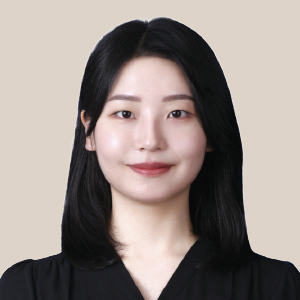
Field Application Engineer, Texas Instruments Korea
- Speaker ㅣ 강사소개
-
Lina Kim is a Field Application Engineer in the Automotive Team at Texas Instruments Korea, specializing in radar products. Prior to her current role, she spent two years conducting radar research initiatives at the Multimedia Communication Lab at Korea Aerospace University. Leveraging this technical foundation, she now delivers comprehensive technical support and radar solutions for customers across the automotive and robotics industries.
김예린 대리는 현재 텍사스인스트루먼트 코리아 Automotive Team에서 레이다 제품군의 기술 지원을 담당하고 있다. 한국항공대학교 멀티미디어 통신 연구실(Multimedia Communication Lab)에서 2년간 레이다 관련 연구 과제를 수행했으며, 이를 바탕으로 현재 자동차 및 로봇 산업군 고객을 위한 TI 레이다 솔루션 기술 지원을 수행하고 있다.
- Abstract ㅣ 초록정보
-
Modern automotive design demands large-scale real-time data for autonomous decision-making, and single-chip 8×8 4D radar transceivers like the AWR2188 are solving the challenges of traditional multi-chip 4D imaging radar architectures.
This session introduces how this solution, combined with SDV architectures and AI/sensor fusion on a central ECU, provides a scalable path for next-generation vehicle perception systems, ranging from cost-effective implementations to long-range sensing beyond 350 meters.최신 자동차 설계는 자율주행 의사결정을 위한 대규모 실시간 데이터를 필요로 하며, 기존 4D 이미징 레이다의 복잡한 멀티칩 구조 문제를 AWR2188과 같은 단일 칩 8×8 4D 레이다 트랜시버가 해결하고 있습니다.
본 세션에서는 이러한 솔루션이 SDV 아키텍처 및 중앙 ECU 기반 AI·센서 융합과 결합하여 비용 효율적인 구현부터 350m 이상의 장거리 감지까지 아우르는 확장 가능한 차세대 차량 인식 시스템을 어떻게 구현할 수 있는지 다룹니다.
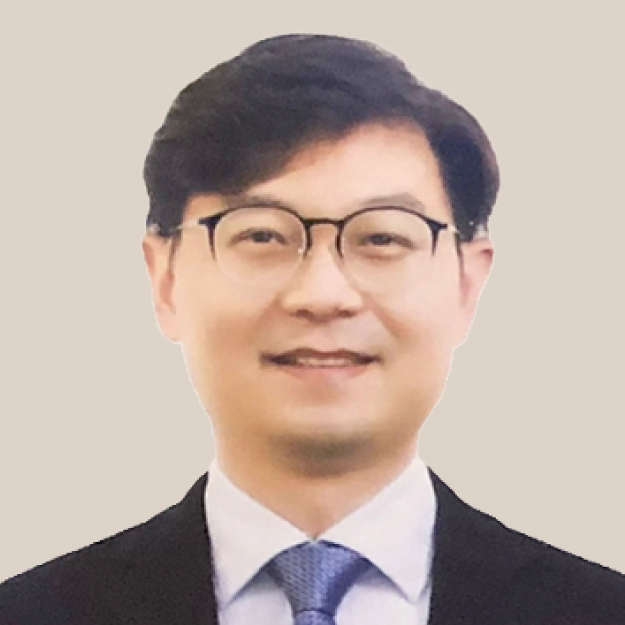
Co-founder and VP of Business Development, Deepen AI
- Speaker ㅣ 강사소개
-
Andrew is a business co-founder of Deepen AI, a supplier of sensor fusion and data technologies and services for autonomy and physical AI systems. Deepen is a market leader in sensor fusion labeling for the automotive industry and has a start-of-the-art calibration solution for multi-sensor environments including automotive and robotics devices. He has experience in finance (JP Morgan) and engineering (AMD). He holds a BS and an MEng in Electrical Engineering from Cornell University, and an MBA from UC Berkeley’s Haas School of Business.
- Abstract ㅣ 초록정보
-
The Deepen Data Refinery is a fully-managed data pipeline that allows automotive and physical AI data partners at all stages of their journey (collection, curation, enrichment, annotation, validation) to accelerate their development by leveraging the strengths of each other.
Deepen’s latest targetless LiDAR-to-camera calibration solution surpasses the target-based one and is being widely deployed at global OEMs and Tier-1s alike. To go one step further, Deepen is introducing a simultaneous multi-LiDAR, multi-camera, spatio-temporal targetless calibration that can calibrate all sensors at the same time.

Chief Commercial Officer, SDVerse
- Speaker ㅣ 강사소개
-
Jeff Walker is Chief Commercial Officer of SDVerse, the automotive industry's first B2B marketplace purpose-built for automotive software and founded by General Motors, Magna, and Wipro. With decades of leadership experience across the global automotive industry, including senior roles at Robert Bosch and other leading technology organizations, Jeff brings a uniquely global perspective on the transformation toward software-defined vehicles. Through SDVerse's collaboration with more than 36 member organizations across North America, Europe, and Asia—including General Motors, Stellantis, Aptiv, Magna, NXP, and other industry leaders—Jeff has unparalleled visibility into the real-time priorities of automotive software buyers and sellers. His work focuses on helping OEMs, suppliers, and technology companies accelerate software discovery, sourcing, and collaboration as the automotive industry continues its shift toward software-defined mobility.
- Abstract ㅣ 초록정보
-
The transition to software-defined vehicles (SDVs) is no longer a future vision—it is a present-day operational imperative for every major automotive manufacturer. Yet significant questions remain: How are OEMs making critical SDV decisions? Which software architectures are emerging as industry standards? What capabilities are they actively seeking from suppliers? And where does the gap between ambition and execution still exist?
In this session, Jeff Walker, Chief Commercial Officer of SDVerse and a veteran of the global automotive software industry, provides a perspective on how the world's leading automakers are navigating the SDV transformation. Drawing on public announcements and statements from General Motors, Ford, Stellantis, and other major OEMs across North America, Europe, and Asia, Jeff shares real-world insights into the priorities, challenges, and opportunities shaping the future of automotive software.
Track 2B
(Autonomous Driving & AI Driven Connectivity)09:00AM - 5:20PM
AI-enabled perception, connectivity, data intelligence, cooperative mobility.
- - Autonomous Driving (Level 2–4)
- - Advanced Driver Assistance Systems (ADAS)
- - AI & Deep Learning for Perception and Decision
- - Sensor Fusion (Camera, Radar, LiDAR)
- - AI & Deep Learning for Perception and Decision
- - Connectivity & V2X Communication
- - Edge / Cloud Computing for Mobility
- - HD Maps & Localization
- - Data Analytics for Mobility Intelligence
- - Real-Time OS & Safety-Critical Software
- - AI-Driven Mobility Platforms
Vice President, ETAS GmbH
- Speaker ㅣ 강사소개
-
After his PhD in Computer Science (TH Karlsruhe) Mr. Zerfowski joined the Robert Bosch GmbH. His more than 25 years’ experience in the automotive industry covers software engineering in different application domains (body electronics including electrical drives, brake systems, park assist). During 2009-2012 Mr. Zerfowski established an engineering section for the Bosch division Automotive Electronic at India. Afterwards he took over the position of the Managing Director of the 100% Bosch subsidiary ETAS Automotive India Prv. Ltd. From 2015 till 2018 Mr. Zerfowski was with a Bosch corporate technology department and was responsible for the Bosch corporate SW strategies in the automotive domain. Since 2018 he is with the Bosch daughter ETAS GmbH in the position of Vice President Engineering Excellence.
데틀레프 제르포프스키(Detlef Zerfowski) 박사는 독일 카를스루에 공과대학교(TH Karlsruhe)에서 컴퓨터공학 박사 학위를 취득한 후 Bosch와 ETAS에서 25년 이상의 경력을 쌓은 자동차 소프트웨어 분야의 노련한 전문가다. 그는 전기 드라이브를 포함한 바디 일렉트로닉스, 브레이크 시스템, 주차 보조 시스템 등 다양한 애플리케이션 영역의 소프트웨어 엔지니어링을 담당해 왔다.
2009년부터 2012년까지 인도에 Bosch 오토모티브 일렉트로닉스 부문의 엔지니어링 조직 설립을 주도했으며, 이후 Bosch의 100% 자회사인 ETAS Automotive India Pvt. Ltd.의 대표이사(Managing Director)를 역임했다. 2015년부터 2018년까지 Bosch 본사의 기술 부서(Bosch Corporate Technology)에서 근무하며 자동차 분야의 Bosch 그룹 소프트웨어 전략을 총괄했다. 2018년부터는 Bosch 자회사인 ETAS GmbH에서 Engineering Excellence 부문 부사장으로 재직 중이다.
- Abstract ㅣ 초록정보
-
Over past years many OEM tried to develop and establish their own middleware solutions. Most of OEM recognized that proprietary solution might not scale within single companies. Therefore new collaborative approaches based on open source enter the automotive domain.
During the keynote we will present different archetypes of automotive software and their underlying middleware stacks, as well as AI powered development toolchains. For the domain of high-performance vehicle computers, we will present the Eclipse S-Core project and its usage in safety critical automotive applications. Additionally, we will introduce the Eclipse Foundation and discuss, how open source based software stacks tackle the maintenance challenge (especially regarding security) for automotive specific long term product lifecycles.
In this context we consider required cultural changes in the industry. Companies, which will adapt to the change, will see benefits in less complexity, less costs, higher quality, higher development speed, etc.지난 몇 년간 많은 완성차 업체(OEM)들은 독자적인 미들웨어 솔루션을 개발하고 정착시키고자 노력해왔습니다. 그러나 대부분의 OEM들은 독자적인 솔루션이 단일 기업 내에서도 확장성을 확보하기 어렵다는 점을 깨달았습니다. 이에 따라 오픈소스 기반의 새로운 협업 방식이 자동차 산업에 본격적으로 도입되고 있습니다.
본 기조강연에서는 다양한 자동차 소프트웨어 아키타입과 이를 구성하는 미들웨어 스택, 그리고 AI 기반 개발 툴체인을 소개합니다. 특히 고성능 차량 컴퓨터(HPC) 영역에서, Eclipse S-Core 프로젝트와 이 프로젝트가 안전 필수(safety-critical) 자동차 애플리케이션에 어떻게 활용되는지 공유하고자 합니다.
또한 Eclipse Foundation을 소개하고, 오픈소스 기반 소프트웨어 스택이 자동차 산업 특유의 장기 제품 수명주기에서 유지보수, 특히 보안 측면의 과제를 어떻게 해결할 수 있는지를 논의할 것입니다. 마지막으로 이러한 변화와 함께 산업 전반에 요구되는 문화적 변화도 함께 짚어봅니다. 변화에 적응하는 기업은 복잡성 감소, 비용 절감, 품질 향상, 개발 속도 향상 등의 이점을 누리게 될 것입니다.
VP System Incubation & CTO, TrustMotion
- Speaker ㅣ 강사소개
-
Dr. Stefan Poledna is CTO of TrustMotion (formerly TTTech Auto) and Head of System Incubation. He is a co-founder of the company and brings more than 30 years of international experience in automotive systems and software development.
He has played a key role in shaping the company’s technology roadmap and driving innovation in automotive safety and software architecture. His leadership has been widely recognized in the industry, particularly for advancing foundational technologies such as safety middleware platforms for early ADAS domain controller architectures.
He has authored and co-authored more than 80 patents and several publications. He received his M.Sc. and Ph.D. degree in computer science with distinction from Vienna University of Technology, where he also lectures on Dependable Computer Systems.스테판 폴레드나(Stefan Poledna) 박사는 TrustMotion(구 TTTech Auto)의 CTO이자 시스템 인큐베이션(System Incubation) 책임자이다. 그는 회사의 공동 창립자로서 자동차 시스템 및 소프트웨어 개발 분야에서 30년 이상의 국제적인 경험을 보유하고 있다.
그는 회사의 기술 로드맵을 수립하고 자동차 안전 및 소프트웨어 아키텍처 혁신을 주도하는 데 핵심적인 역할을 해 왔다. 그의 리더십은 업계에서 널리 인정받고 있으며, 특히 초기 ADAS 도메인 컨트롤러 아키텍처를 위한 안전 미들웨어 플랫폼 등 기반 기술 발전을 이끈 인물로 높이 평가받고 있다.
또한 그는 80건 이상의 특허를 단독 또는 공동으로 출원했으며, 다수의 논문을 발표했다. 비엔나 공과대학교(Vienna University of Technology)에서 컴퓨터공학 석사 및 박사 학위를 우수한 성적으로 취득했으며, 동 대학에서 신뢰성 컴퓨터 시스템(Dependable Computer Systems) 과목을 강의하고 있다.
- Abstract ㅣ 초록정보
-
Compute architectures within robotics and mobility are experiencing substantial transformation. The industry has shifted from distributed control systems toward centralized, heterogeneous platforms tailored to advance Physical AI. This transition, initially prevalent in the automotive sector, is now influencing the broader field of robotics. Robotics applications demand robust high-bandwidth sensor fusion and ultra-low-latency actuation. Contemporary humanoid and autonomous mobile robots generate vast amounts of sensor data—often multiple gigabytes per second. Traditional CPU-based controllers are increasingly inadequate for managing such significant data throughput.
Historically, legacy computing infrastructure in robotics and mobility was fragmented and inflexible, depending on serialized processing via federated MCUs and industrial PLCs for real-time operations, thereby lacking parallelism. This environment was dominated by monolithic hardware-software solutions, often requiring ECU replacements for system upgrades, while earlier frameworks like ROS1 suffered from pronounced latency in multiprocess communication.
In contrast, modern computing architectures are designed to accommodate the substantial bandwidth generated by LiDAR, high-resolution cameras, and the parallel processing requirements of deep learning, Vision-Language-Action models, and end-to-end AI systems in both robotics and mobility. These systems frequently deploy heterogeneous Systems on Chip (SoCs) that integrate CPUs, GPUs, NPUs, and dedicated accelerators. Such advancements enable centralized and zonal computing nodes interconnected via Ethernet. Software frameworks like ROS2 further optimize performance through shared memory transport mechanisms.
This evolution necessitates concurrent advancements in software architecture, moving beyond monolithic deployments limited to real-time operating systems. Our experience demonstrates that these environments require platforms which supplement the operating system with advanced scheduling and communication capabilities, ensuring reliable execution and inter-component communication even amid complex dependency graphs.
To fully leverage the benefits of these architectures, an additional abstraction layer is essential: middleware platforms that decouple application logic from hardware topology, unifying communication, timing, and deployment across zonal and centralized nodes. By managing these aspects at the platform level, development teams can redirect efforts from infrastructure integration to enhancing system-level functionality, thereby reducing integration cycles, accelerating time to market, and supporting ongoing software evolution.
Increasingly, such middleware platforms are recognized as pivotal enablers for bridging the diversity of hardware architectures with the rapid innovation required in modern humanoids and autonomous vehicles. They deliver a standardized layer for communication, timing, and deployment, empowering applications to be developed and deployed independently of underlying hardware. This abstraction streamlines feature integration and fosters both scalability and long-term maintainability.로보틱스 및 모빌리티 분야의 컴퓨팅 아키텍처는 현재 큰 변화를 겪고 있습니다. 산업 전반은 분산형 제어 시스템에서 Physical AI 구현에 최적화된 중앙집중형 이기종 플랫폼으로 빠르게 전환되고 있습니다. 이러한 변화는 자동차 산업에서 먼저 시작됐으며, 이제 로보틱스 분야 전반으로 확산되고 있습니다. 로보틱스 애플리케이션은 고대역폭 센서 융합과 초저지연 액추에이션을 요구합니다. 최근 휴머노이드 및 자율이동로봇(AMR)은 초당 수 기가바이트에 달하는 방대한 센서 데이터를 생성하고 있으며, 기존 CPU 기반 제어기는 이러한 데이터 처리량을 감당하는 데 한계를 드러내고 있습니다.
과거 로보틱스 및 모빌리티 분야의 컴퓨팅 인프라는 분산된 MCU와 산업용 PLC 기반의 직렬 처리 구조에 의존해왔으며, 병렬 처리에 적합하지 않은 파편화되고 유연하지 않은 구조였습니다. 또한 하드웨어와 소프트웨어가 긴밀히 결합된 모놀리식 구조가 일반적이어서 시스템 업그레이드를 위해 ECU 자체를 교체해야 하는 경우가 많았습니다. 초기 프레임워크인 ROS1 역시 프로세스 간 통신 지연 문제가 컸습니다.
반면 최신 컴퓨팅 아키텍처는 LiDAR, 고해상도 카메라, 딥러닝, Vision-Language-Action 모델, 엔드투엔드 AI 시스템이 요구하는 대규모 데이터 대역폭과 병렬 연산을 수용하도록 설계되고 있습니다. 이를 위해 CPU, GPU, NPU 및 전용 가속기를 통합한 이기종 SoC(System on Chip)가 활용되며, Ethernet 기반으로 연결된 중앙집중형 및 조널(zonal) 컴퓨팅 노드 구조가 도입되고 있습니다. ROS2와 같은 소프트웨어 프레임워크는 공유 메모리 기반 전송 메커니즘을 통해 성능을 더욱 최적화합니다. 이러한 변화는 소프트웨어 아키텍처 측면에서도 발전을 요구하고 있습니다. 단순 실시간 운영체제 기반의 모놀리식 구조를 넘어, 고급 스케줄링 및 통신 기능을 제공하는 플랫폼이 필요합니다. 이는 복잡한 의존성 구조에서도 안정적인 실행과 컴포넌트 간 통신을 보장하기 위해서입니다.
또한 이러한 아키텍처의 장점을 극대화하기 위해서는 애플리케이션 로직과 하드웨어 토폴로지를 분리하는 미들웨어 플랫폼이 필수적입니다. 이러한 플랫폼은 중앙집중형 및 조널 노드 전반에서 통신, 타이밍, 배포를 통합 관리함으로써 개발팀이 인프라 통합보다 시스템 기능 개발에 집중할 수 있도록 지원합니다. 그 결과 통합 기간 단축, 시장 출시 기간 단축, 지속적인 소프트웨어 진화 지원이 가능해집니다.
최근 이러한 미들웨어 플랫폼은 다양한 하드웨어 아키텍처와 빠른 혁신이 요구되는 휴머노이드 및 자율주행차 환경을 연결하는 핵심 요소로 주목받고 있습니다. 이들은 통신, 타이밍, 배포를 위한 표준화된 계층을 제공함으로써 애플리케이션이 하드웨어에 종속되지 않고 독립적으로 개발 및 배포될 수 있도록 지원합니다. 이러한 추상화는 기능 통합을 단순화하고 확장성과 장기 유지 보수성을 향상시킵니다.
Global-CTO, AutoCrypt
- Speaker ㅣ 강사소개
-
Eui-seok Kim is a vehicle security expert and serves as the head of domestic and global automotive security business at AutoCrypt, a company specializing in autonomous driving and automotive cybersecurity.
김의석 사장은 차량 보안 전문가로, 자율주행 및 자동차 사이버 보안 기업인 아우토크립트(AUTOCRYPT)의 국내외 차량 보안사업 총괄을 맡고 있다.
- Abstract ㅣ 초록정보
-
Chief Commercial Officer, Commercial Organization, Elektrobit
- Speaker ㅣ 강사소개
-
Arvind Murthy is Chief Commercial Officer at Elektrobit, an award-winning and trusted partner in the transition to the software-defined vehicle (SDV). He has over 30 years of leadership experience, transforming global revenue growth strategies across multiple industries like Automotive, Manufacturing, and Hi-Tech. Previously, Arvind was Chief Revenue Officer at TAO Digital Solutions. Prior to that he held a Director Position at Amazon Web Services (AWS) for Partner Strategy & Sales and served in various leadership positions at GlobalLogic, Prodapt and Wipro Technologies. Arvind has a Bachelor of Engineering (B.E.) in Electronics & Communications from Bangalore University.
아르빈드 머시(Arvind Murthy)는 SDV 전환 분야에서 수상 경력을 자랑하는 신뢰받는 파트너 기업인 일렉트로비트의 최고상업책임자(CCO)이다. 그는 자동차, 제조, 하이테크 등 다양한 산업 전반에 걸쳐 글로벌 매출 성장 전략을 혁신하며 30년 이상의 리더십 경력을 쌓아왔다.
일렉트로비트 합류 전에는 TAO 디지털 솔루션즈(TAO Digital Solutions)에서 최고매출책임자(CRO)를 역임했으며, 그 전에는 아마존 웹 서비스(AWS)에서 파트너 전략 및 영업 부문 이사직을 수행했다. 또한 글로벌로직(GlobalLogic), 프로댑트(Prodapt), 위프로 테크놀로지스(Wipro Technologies) 등 여러 기업에서 다양한 리더십 직책을 맡은 바 있다. 그는 벵갈루루 대학교에서 전자통신공학 학사 학위를 취득했다.
- Abstract ㅣ 초록정보
-
Head, AI & Autonomous Driving Technology Research Institute, KATECH
- Speaker ㅣ 강사소개
-
Head, AI & Autonomous Driving Technology Research Institute
Senior Vice President
Korea Automotive Technology Institute (KATECH) | March 2026 – Present
Leading AI-Defined Mobility transition through On-Device Physical AI and world-model-based autonomous architecture, advancing beyond conventional SDV paradigms toward AI-Defined Vehicles (AIDV) optimized for real-time safety-critical mobility.
△ Strategic Focus AI-Defined Mobility Architecture | On-Device Physical AI | World Models for Autonomous Driving | Vehicle Dynamics-Aware Policy Learning | Stability-Constrained Learning | Energy-Aware Embedded AI (TOPS/W) | Data-Simulation Flywheel
△ Professional Background
Research Fellow, Hyundai Motor Company (2016–2025) | Founder & Head, MIT-HMC Embedded Physical AI Lab (2023–2025) | President (37th), Korean Society of Automotive Engineers (2024) | Visiting Scientist, University of Michigan (2011)
△ Awards & Impact
Hyundai Chairman’s Award (2015) | FISITA Outstanding Paper Award (2021) | 524 Patent Applications (434 Granted)
△ Core Expertise
On-Device Physical AI | AI-Defined Vehicle Architecture | Physics-Fusion AI Control | Embedded Real-Time AI | Intelligent Drive & Motion Control | Human-Centric Mobility Intelligence전병욱 소장은 1992년 현대자동차 연구소에 입사해 차량제어 및 주행감성 연구를 수행했으며, 2011년 미국 미시간대학교 방문 과학자로 활동했다. 2016년부터 현대자동차 연구위원으로 차량제어용 Embedded Physical AI 기술 개발을 주도했으며, 2022년에는 미국 매사추세츠공과대학(MIT)과 Embedded Physical AI 공동연구실을 창립해 총괄했다. 현대자동차 재직 중 국내외 특허 총 524건을 출원했으며, IR52 장영실상과 FISITA Outstanding Paper Award를 수상했다. 2024년 한국자동차공학회 회장을 역임했으며, 현재 한국자동차연구원 AI·자율주행기술연구소장으로 재직 중이다.
- Abstract ㅣ 초록정보
-
자동차 산업은 소프트웨어 정의 차량(SDV) 시대를 거쳐 인공지능 정의 차량(AIDV) 시대로 진화하고 있습니다. 이제 인공지능은 단순히 정보를 처리하는 수준을 넘어 물리 세계를 이해하고 스스로 판단하며 행동하는 피지컬 AI로 발전하고 있습니다. 이러한 변화는 자율주행뿐 아니라 차량 제어, 사용자 경험, 로봇, 스마트 제조 등 다양한 산업 영역으로 확산되고 있으며, 모빌리티의 개념 자체를 새롭게 정의하고 있습니다.
본 강연에서는 피지컬 AI가 등장하게 된 기술적 배경과 산업적 의미를 살펴보고, 온디바이스 AI, 월드모델, AI 반도체 등 핵심 기술의 발전 방향을 소개합니다. 또한 차량과 로봇, 인프라가 연결된 미래 지능형 시스템의 모습을 전망하고, 대한민국이 글로벌 경쟁력 확보를 위해 준비해야 할 전략적 과제와 기회를 함께 논의합니다.
Eclipse Pullpiri & Timpani Project Lead, LG Electronics
- Speaker ㅣ 강사소개
-
- Abstract ㅣ 초록정보
-
In this talk, Chulhee will introduce the Eclipse SDV initiative and explain how an open-source-driven approach contributes to enabling Software Defined Vehicles (SDV). He will highlight key achievements and share how it has supported the growth of an open-source ecosystem in Korea. Furthermore, the talk will critically examine whether open source alone is sufficient for global collaboration and discuss future challenges.
본 발표에서는 Eclipse SDV 이니셔티브를 중심으로 오픈소스 기반 접근이 SDV 구현에 어떻게 기여하는지 소개합니다. 또한 주요 성과와 한국 오픈소스 생태계 사례를 공유하고, 글로벌 협업 관점에서 향후 과제를 논의합니다.
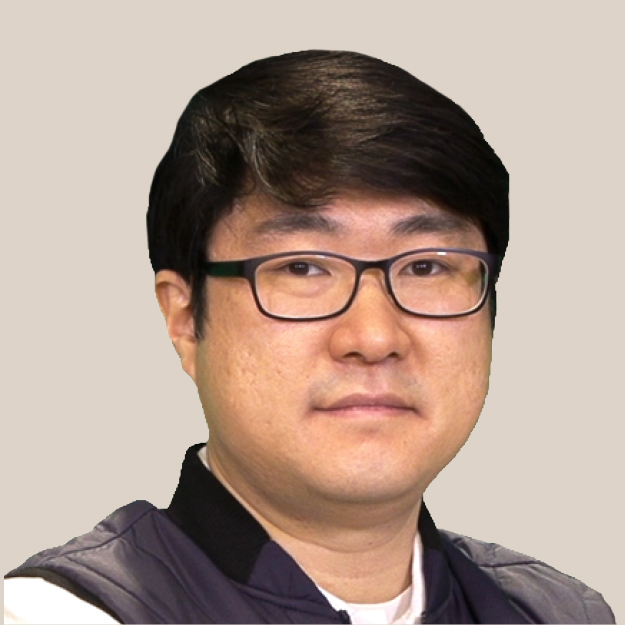
Product Marketing Manager, STMicroelectronics Korea
- Speaker ㅣ 강사소개
-
임의택 매니저는 2019년부터 STMicroelectronics Korea에서 자동차용 마이크로컨트롤러 제품의 마케팅 전략을 담당하고 있다. 2012년 자동차용 마이크로컨트롤러 FAE로 ST에서 경력을 시작한 이후, 다양한 32비트 자동차용 마이크로컨트롤러 제품군에 대한 깊이 있는 지식과 고객 기술 지원 및 마케팅 경험을 쌓아왔다.
- Abstract ㅣ 초록정보
-
자동차 산업이 소프트웨어 정의 자동차(SDV)로 빠르게 전환함에 따라, 자동차용 MCU의 역할은 그 어느 때보다 중요해지고 있습니다.
본 세션에서는 자동차 업계 최초로 신경망 가속기를 내장한 차세대 MCU 솔루션인 ST의 Stellar P3E를 소개하며, 빠르게 변화하는 시장 요구에 최적화된 기술적 특징을 다룹니다.
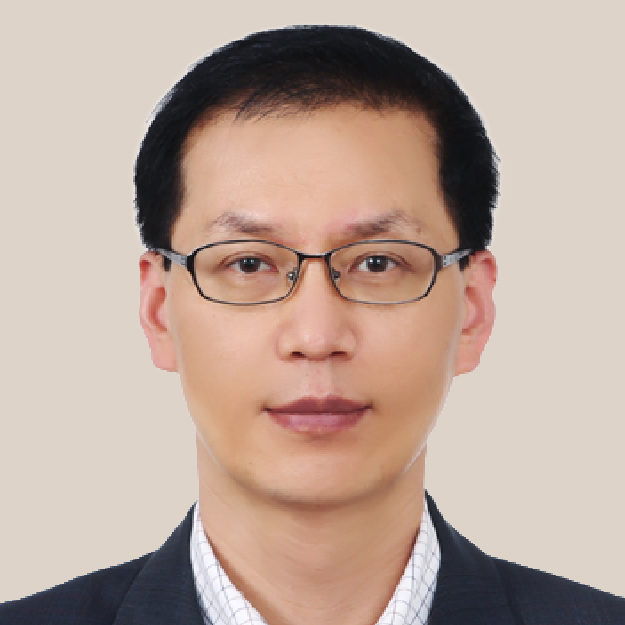
Regional Sales Manager, Calterah Semiconductor
- Speaker ㅣ 강사소개
-
Sam Lee currently serves as Regional Manager for Korea at Calterah, bringing over 32 years of deep semiconductor industry experience with a strong focus on product strategy and market execution. Throughout his career, Sam has held key roles at multiple multinational companies, including Product Marketing at LG Semicon, where he defined and drove product go-to-market initiatives; Regional Marketing at NXP, where he led local market strategies for Logic, Analog Switches; Account Manager at Nexperia, managing key customer relationships and high-volume shipments; and Country Manager at EPC, where he oversaw full business operations and growth of GaN FETs.
This extensive background has given Sam a proven track record in translating product strengths into customer success across both radar and UWB technologies. In his current role at Calterah, he is dedicated to bringing the company's leading mmWave radar chip and UWB solutions to the Korean market, expanding its presence across automotive and emerging non-automotive applications.이상민 지사장은 현재 칼테라 반도체의 한국지역 매니저로 재직 중이며, 반도체 업계에서 32년 이상의 풍부한 경험을 바탕으로 제품전략 및 시장개발에 탁월한 역량을 발휘하고 있으며, 그동안 여러 다국적 반도체 회사에서 주요 역할을 맡아왔다. 또한, EPC에서 한국지사장으로서 GaN FET 사업전략 수립, 운영 및 성장을 총괄했으며, Nexperia에서는 삼성전자 담당 매니저로 솔루션 판매를 통해 고객사와 장기적인 협력관계를 구축했다. NXP에서는 로직 및 아날로그 스위치 제품 마케팅 매니저로 한국시장 전략을 이끌었다. LG반도체에서는 메모리 마케팅을 담당하며 제품전략을 수립하고 추진했다.
그는 이러한 폭넓은 경험을 통해 칼테라 반도체의 선도적인 mmWave 레이더 칩과 UWB 솔루션을 한국 시장에 선보이고 있으며, 자동차 및 인더스트리얼 애플리케이션 분야에서 회사의 입지를 확대하는 데 전념하고 있다.
- Abstract ㅣ 초록정보
-
- A brief introduction to Calterah Semiconductor. - Overall mmWave Radar and UWB solutions. - Key OEM, Tier-1 and usage cases. - Why Calterah, why mmWave Radar, why UWB? - The benefits of using Calterah products.
- 칼테라 반도체에 대한 간략 소개. - mmWave 레이더 칩 및 UWB 솔루션에대한 소개. - 주요 OEM, Tier-1 및 활용사례. - 칼테라를 선택해야 하는 이유, mmWave 레이더, UWB를 선택해야 하는 이유 - 칼테라 제품 사용 시 이점
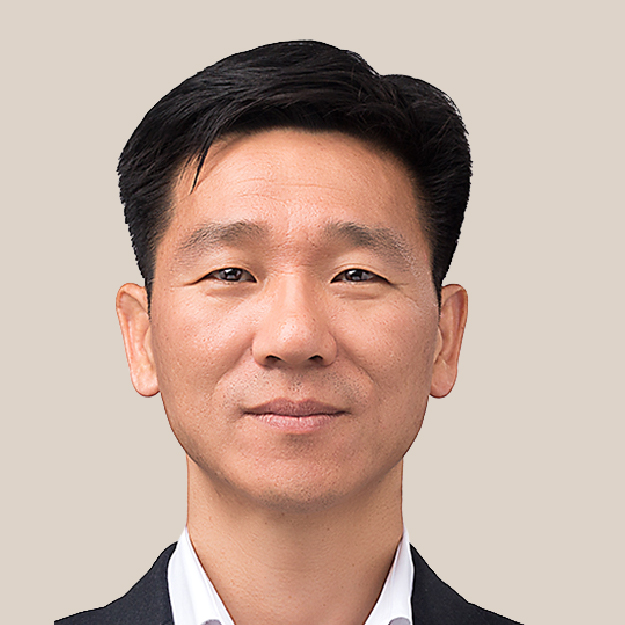
Application Engineer, Teledyne LeCroy
- Speaker ㅣ 강사소개
-
- Abstract ㅣ 초록정보
-
본 세션에서는 10BASE T1S를 한 번에 이해할 수 있습니다. 실제 포착한 파형을 보며 PLCA 동작과 타이밍, 디코딩 및 디코드 필터를 통해 멀티 노드에 참여하고 있는 특정 노드의 신호 품질을 확인하는 방법을 설명합니다. 10BASE-T1S 신호를 “어떻게 측정하고, 어떻게 문제를 찾는지” 사례를 보이면서 설명할 것입니다. 또한, 10BASE-T1S의 기술적 배경부터 컴플라이언스 테스트, 디코딩을 통한 디버깅에 오실로스코프를 어떻게 사용할 수 있는지까지 10BASE T1S의 전반적인 내용을 다룹니다.
Application Engineer, IPG Automotive Korea
- Speaker ㅣ 강사소개
-
Donghwan Kim is an Application Engineer at IPG Automotive, working in the Solution Team with a focus on vehicle simulation and ADAS development.
He has experience in integrating simulation environments such as CarMaker with cloud-based infrastructures, including Kubernetes-based platforms. His work involves designing and implementing scalable simulation workflows, data management systems, and automation pipelines for vehicle development.
Donghwan has been actively involved in projects with Hyundai Motor Group, supporting the deployment and operation of simulation platforms and contributing to the development of VIRTO-based environments. His interests include simulation automation, data-driven development processes, and the application of AI technologies to improve efficiency in vehicle development.
- Abstract ㅣ 초록정보
-
This presentation introduces an autonomous vehicle development loop using AI agents and VIRTO platform. Traditional vehicle development processes rely heavily on manual and repetitive tasks such as scenario generation, simulation execution, and result analysis. These processes are limited by human availability and lack continuous operation.
To overcome these limitations, we propose an AI-driven autonomous loop where development continues even without human intervention. Using OpenClaw as an AI agent, the system can automatically generate simulation inputs, execute simulations on a scalable infrastructure, and analyze results continuously.
VIRTO serves as a centralized data backbone to manage simulation data, while Kubernetes enables scalable execution of simulation workloads. The presentation will demonstrate practical use cases including parameter optimization, multi-model development, and continuous overnight simulation. Additionally, an automated evaluation process based on KPIs will be introduced to assess simulation results and guide further iterations.
This approach enables continuous improvement, increased efficiency, and scalable vehicle development processes.
Manager, Rohde & Schwarz Korea
- Speaker ㅣ 강사소개
-
Chanwoo Nam is an Application Engineer at Rohde & Schwarz Korea specializing in power electronics and digital design. He has more than eight years of experience in the automotive market, working with Rohde & Schwarz oscilloscopes, vector network analyzers, and power analyzers.
- Abstract ㅣ 초록정보
-
This session covers the measurement requirements of multiphase buck converters, with a focus on automotive applications that require low-voltage, high-current power rails for devices such as SoCs and HPCs. It also explains how to validate key behaviors using R&S oscilloscope MXO 5 Series, including phase interleaving, efficiency, loadstep response, feedback-loop gain, and bus control signal response.
Sr. Solutions Engineer, Emerson-NI
- Speaker ㅣ 강사소개
-
Namgyu Kim is a Senior Solutions Engineer at the Test & Measurement Group of Emerson, focusing on ADAS/SDV HIL, automotive connectivity validation covering V2X, telematics, and high-speed In-Vehicle Networking (SerDes, Ethernet, SOME/IP, DoIP, etc.) and Automotive IC validation domain. With a strong technical background as a Certified LabVIEW and TestStand Architect, he helps automotive customers design and implement robust HIL test architectures.
- Abstract ㅣ 초록정보
-
This session introduces NI's proposed workflows and solutions for validating ADAS and autonomous driving controllers. It explains the structural composition of the solution architecture and highlights its key technical advantages. Furthermore, it demonstrates how NI's flexible and scalable platform supports the validation of increasingly complex ADAS and autonomous driving functions, highlighting the unique value and efficiency it delivers to the automotive industry.
Track 3
(Electrification & Energy Systems)09:00AM - 5:20PM
EV architecture, power electronics, battery, energy infrastructure.
- - Electrification and E-Platform Design
- - Battery Management System (BMS)
- - EV Powertrain & Inverter Technology
- - SiC/GaN Power Semiconductors
- - Thermal Management Systems
- - Charging Infrastructure & Smart Grid Integration
- - Energy Storage & Energy Management
- - Power Conversion & Efficiency Optimization
- - Vehicle-to-Grid (V2G) / Bi-Directional Charging
- - Sustainable Materials & Recycling (optional)
Vice President, ETAS GmbH
- Speaker ㅣ 강사소개
-
After his PhD in Computer Science (TH Karlsruhe) Mr. Zerfowski joined the Robert Bosch GmbH. His more than 25 years’ experience in the automotive industry covers software engineering in different application domains (body electronics including electrical drives, brake systems, park assist). During 2009-2012 Mr. Zerfowski established an engineering section for the Bosch division Automotive Electronic at India. Afterwards he took over the position of the Managing Director of the 100% Bosch subsidiary ETAS Automotive India Prv. Ltd. From 2015 till 2018 Mr. Zerfowski was with a Bosch corporate technology department and was responsible for the Bosch corporate SW strategies in the automotive domain. Since 2018 he is with the Bosch daughter ETAS GmbH in the position of Vice President Engineering Excellence.
데틀레프 제르포프스키(Detlef Zerfowski) 박사는 독일 카를스루에 공과대학교(TH Karlsruhe)에서 컴퓨터공학 박사 학위를 취득한 후 Bosch와 ETAS에서 25년 이상의 경력을 쌓은 자동차 소프트웨어 분야의 노련한 전문가다. 그는 전기 드라이브를 포함한 바디 일렉트로닉스, 브레이크 시스템, 주차 보조 시스템 등 다양한 애플리케이션 영역의 소프트웨어 엔지니어링을 담당해 왔다.
2009년부터 2012년까지 인도에 Bosch 오토모티브 일렉트로닉스 부문의 엔지니어링 조직 설립을 주도했으며, 이후 Bosch의 100% 자회사인 ETAS Automotive India Pvt. Ltd.의 대표이사(Managing Director)를 역임했다. 2015년부터 2018년까지 Bosch 본사의 기술 부서(Bosch Corporate Technology)에서 근무하며 자동차 분야의 Bosch 그룹 소프트웨어 전략을 총괄했다. 2018년부터는 Bosch 자회사인 ETAS GmbH에서 Engineering Excellence 부문 부사장으로 재직 중이다.
- Abstract ㅣ 초록정보
-
Over past years many OEM tried to develop and establish their own middleware solutions. Most of OEM recognized that proprietary solution might not scale within single companies. Therefore new collaborative approaches based on open source enter the automotive domain.
During the keynote we will present different archetypes of automotive software and their underlying middleware stacks, as well as AI powered development toolchains. For the domain of high-performance vehicle computers, we will present the Eclipse S-Core project and its usage in safety critical automotive applications. Additionally, we will introduce the Eclipse Foundation and discuss, how open source based software stacks tackle the maintenance challenge (especially regarding security) for automotive specific long term product lifecycles.
In this context we consider required cultural changes in the industry. Companies, which will adapt to the change, will see benefits in less complexity, less costs, higher quality, higher development speed, etc.지난 몇 년간 많은 완성차 업체(OEM)들은 독자적인 미들웨어 솔루션을 개발하고 정착시키고자 노력해왔습니다. 그러나 대부분의 OEM들은 독자적인 솔루션이 단일 기업 내에서도 확장성을 확보하기 어렵다는 점을 깨달았습니다. 이에 따라 오픈소스 기반의 새로운 협업 방식이 자동차 산업에 본격적으로 도입되고 있습니다.
본 기조강연에서는 다양한 자동차 소프트웨어 아키타입과 이를 구성하는 미들웨어 스택, 그리고 AI 기반 개발 툴체인을 소개합니다. 특히 고성능 차량 컴퓨터(HPC) 영역에서, Eclipse S-Core 프로젝트와 이 프로젝트가 안전 필수(safety-critical) 자동차 애플리케이션에 어떻게 활용되는지 공유하고자 합니다.
또한 Eclipse Foundation을 소개하고, 오픈소스 기반 소프트웨어 스택이 자동차 산업 특유의 장기 제품 수명주기에서 유지보수, 특히 보안 측면의 과제를 어떻게 해결할 수 있는지를 논의할 것입니다. 마지막으로 이러한 변화와 함께 산업 전반에 요구되는 문화적 변화도 함께 짚어봅니다. 변화에 적응하는 기업은 복잡성 감소, 비용 절감, 품질 향상, 개발 속도 향상 등의 이점을 누리게 될 것입니다.
VP System Incubation & CTO, TrustMotion
- Speaker ㅣ 강사소개
-
Dr. Stefan Poledna is CTO of TrustMotion (formerly TTTech Auto) and Head of System Incubation. He is a co-founder of the company and brings more than 30 years of international experience in automotive systems and software development.
He has played a key role in shaping the company’s technology roadmap and driving innovation in automotive safety and software architecture. His leadership has been widely recognized in the industry, particularly for advancing foundational technologies such as safety middleware platforms for early ADAS domain controller architectures.
He has authored and co-authored more than 80 patents and several publications. He received his M.Sc. and Ph.D. degree in computer science with distinction from Vienna University of Technology, where he also lectures on Dependable Computer Systems.스테판 폴레드나(Stefan Poledna) 박사는 TrustMotion(구 TTTech Auto)의 CTO이자 시스템 인큐베이션(System Incubation) 책임자이다. 그는 회사의 공동 창립자로서 자동차 시스템 및 소프트웨어 개발 분야에서 30년 이상의 국제적인 경험을 보유하고 있다.
그는 회사의 기술 로드맵을 수립하고 자동차 안전 및 소프트웨어 아키텍처 혁신을 주도하는 데 핵심적인 역할을 해 왔다. 그의 리더십은 업계에서 널리 인정받고 있으며, 특히 초기 ADAS 도메인 컨트롤러 아키텍처를 위한 안전 미들웨어 플랫폼 등 기반 기술 발전을 이끈 인물로 높이 평가받고 있다.
또한 그는 80건 이상의 특허를 단독 또는 공동으로 출원했으며, 다수의 논문을 발표했다. 비엔나 공과대학교(Vienna University of Technology)에서 컴퓨터공학 석사 및 박사 학위를 우수한 성적으로 취득했으며, 동 대학에서 신뢰성 컴퓨터 시스템(Dependable Computer Systems) 과목을 강의하고 있다.
- Abstract ㅣ 초록정보
-
Compute architectures within robotics and mobility are experiencing substantial transformation. The industry has shifted from distributed control systems toward centralized, heterogeneous platforms tailored to advance Physical AI. This transition, initially prevalent in the automotive sector, is now influencing the broader field of robotics. Robotics applications demand robust high-bandwidth sensor fusion and ultra-low-latency actuation. Contemporary humanoid and autonomous mobile robots generate vast amounts of sensor data—often multiple gigabytes per second. Traditional CPU-based controllers are increasingly inadequate for managing such significant data throughput.
Historically, legacy computing infrastructure in robotics and mobility was fragmented and inflexible, depending on serialized processing via federated MCUs and industrial PLCs for real-time operations, thereby lacking parallelism. This environment was dominated by monolithic hardware-software solutions, often requiring ECU replacements for system upgrades, while earlier frameworks like ROS1 suffered from pronounced latency in multiprocess communication.
In contrast, modern computing architectures are designed to accommodate the substantial bandwidth generated by LiDAR, high-resolution cameras, and the parallel processing requirements of deep learning, Vision-Language-Action models, and end-to-end AI systems in both robotics and mobility. These systems frequently deploy heterogeneous Systems on Chip (SoCs) that integrate CPUs, GPUs, NPUs, and dedicated accelerators. Such advancements enable centralized and zonal computing nodes interconnected via Ethernet. Software frameworks like ROS2 further optimize performance through shared memory transport mechanisms.
This evolution necessitates concurrent advancements in software architecture, moving beyond monolithic deployments limited to real-time operating systems. Our experience demonstrates that these environments require platforms which supplement the operating system with advanced scheduling and communication capabilities, ensuring reliable execution and inter-component communication even amid complex dependency graphs.
To fully leverage the benefits of these architectures, an additional abstraction layer is essential: middleware platforms that decouple application logic from hardware topology, unifying communication, timing, and deployment across zonal and centralized nodes. By managing these aspects at the platform level, development teams can redirect efforts from infrastructure integration to enhancing system-level functionality, thereby reducing integration cycles, accelerating time to market, and supporting ongoing software evolution.
Increasingly, such middleware platforms are recognized as pivotal enablers for bridging the diversity of hardware architectures with the rapid innovation required in modern humanoids and autonomous vehicles. They deliver a standardized layer for communication, timing, and deployment, empowering applications to be developed and deployed independently of underlying hardware. This abstraction streamlines feature integration and fosters both scalability and long-term maintainability.로보틱스 및 모빌리티 분야의 컴퓨팅 아키텍처는 현재 큰 변화를 겪고 있습니다. 산업 전반은 분산형 제어 시스템에서 Physical AI 구현에 최적화된 중앙집중형 이기종 플랫폼으로 빠르게 전환되고 있습니다. 이러한 변화는 자동차 산업에서 먼저 시작됐으며, 이제 로보틱스 분야 전반으로 확산되고 있습니다. 로보틱스 애플리케이션은 고대역폭 센서 융합과 초저지연 액추에이션을 요구합니다. 최근 휴머노이드 및 자율이동로봇(AMR)은 초당 수 기가바이트에 달하는 방대한 센서 데이터를 생성하고 있으며, 기존 CPU 기반 제어기는 이러한 데이터 처리량을 감당하는 데 한계를 드러내고 있습니다.
과거 로보틱스 및 모빌리티 분야의 컴퓨팅 인프라는 분산된 MCU와 산업용 PLC 기반의 직렬 처리 구조에 의존해왔으며, 병렬 처리에 적합하지 않은 파편화되고 유연하지 않은 구조였습니다. 또한 하드웨어와 소프트웨어가 긴밀히 결합된 모놀리식 구조가 일반적이어서 시스템 업그레이드를 위해 ECU 자체를 교체해야 하는 경우가 많았습니다. 초기 프레임워크인 ROS1 역시 프로세스 간 통신 지연 문제가 컸습니다.
반면 최신 컴퓨팅 아키텍처는 LiDAR, 고해상도 카메라, 딥러닝, Vision-Language-Action 모델, 엔드투엔드 AI 시스템이 요구하는 대규모 데이터 대역폭과 병렬 연산을 수용하도록 설계되고 있습니다. 이를 위해 CPU, GPU, NPU 및 전용 가속기를 통합한 이기종 SoC(System on Chip)가 활용되며, Ethernet 기반으로 연결된 중앙집중형 및 조널(zonal) 컴퓨팅 노드 구조가 도입되고 있습니다. ROS2와 같은 소프트웨어 프레임워크는 공유 메모리 기반 전송 메커니즘을 통해 성능을 더욱 최적화합니다. 이러한 변화는 소프트웨어 아키텍처 측면에서도 발전을 요구하고 있습니다. 단순 실시간 운영체제 기반의 모놀리식 구조를 넘어, 고급 스케줄링 및 통신 기능을 제공하는 플랫폼이 필요합니다. 이는 복잡한 의존성 구조에서도 안정적인 실행과 컴포넌트 간 통신을 보장하기 위해서입니다.
또한 이러한 아키텍처의 장점을 극대화하기 위해서는 애플리케이션 로직과 하드웨어 토폴로지를 분리하는 미들웨어 플랫폼이 필수적입니다. 이러한 플랫폼은 중앙집중형 및 조널 노드 전반에서 통신, 타이밍, 배포를 통합 관리함으로써 개발팀이 인프라 통합보다 시스템 기능 개발에 집중할 수 있도록 지원합니다. 그 결과 통합 기간 단축, 시장 출시 기간 단축, 지속적인 소프트웨어 진화 지원이 가능해집니다.
최근 이러한 미들웨어 플랫폼은 다양한 하드웨어 아키텍처와 빠른 혁신이 요구되는 휴머노이드 및 자율주행차 환경을 연결하는 핵심 요소로 주목받고 있습니다. 이들은 통신, 타이밍, 배포를 위한 표준화된 계층을 제공함으로써 애플리케이션이 하드웨어에 종속되지 않고 독립적으로 개발 및 배포될 수 있도록 지원합니다. 이러한 추상화는 기능 통합을 단순화하고 확장성과 장기 유지 보수성을 향상시킵니다.
Global-CTO, AutoCrypt
- Speaker ㅣ 강사소개
-
Eui-seok Kim is a vehicle security expert and serves as the head of domestic and global automotive security business at AutoCrypt, a company specializing in autonomous driving and automotive cybersecurity.
김의석 사장은 차량 보안 전문가로, 자율주행 및 자동차 사이버 보안 기업인 아우토크립트(AUTOCRYPT)의 국내외 차량 보안사업 총괄을 맡고 있다.
- Abstract ㅣ 초록정보
-
Chief Commercial Officer, Commercial Organization, Elektrobit
- Speaker ㅣ 강사소개
-
Arvind Murthy is Chief Commercial Officer at Elektrobit, an award-winning and trusted partner in the transition to the software-defined vehicle (SDV). He has over 30 years of leadership experience, transforming global revenue growth strategies across multiple industries like Automotive, Manufacturing, and Hi-Tech. Previously, Arvind was Chief Revenue Officer at TAO Digital Solutions. Prior to that he held a Director Position at Amazon Web Services (AWS) for Partner Strategy & Sales and served in various leadership positions at GlobalLogic, Prodapt and Wipro Technologies. Arvind has a Bachelor of Engineering (B.E.) in Electronics & Communications from Bangalore University.
아르빈드 머시(Arvind Murthy)는 SDV 전환 분야에서 수상 경력을 자랑하는 신뢰받는 파트너 기업인 일렉트로비트의 최고상업책임자(CCO)이다. 그는 자동차, 제조, 하이테크 등 다양한 산업 전반에 걸쳐 글로벌 매출 성장 전략을 혁신하며 30년 이상의 리더십 경력을 쌓아왔다.
일렉트로비트 합류 전에는 TAO 디지털 솔루션즈(TAO Digital Solutions)에서 최고매출책임자(CRO)를 역임했으며, 그 전에는 아마존 웹 서비스(AWS)에서 파트너 전략 및 영업 부문 이사직을 수행했다. 또한 글로벌로직(GlobalLogic), 프로댑트(Prodapt), 위프로 테크놀로지스(Wipro Technologies) 등 여러 기업에서 다양한 리더십 직책을 맡은 바 있다. 그는 벵갈루루 대학교에서 전자통신공학 학사 학위를 취득했다.
- Abstract ㅣ 초록정보
-
Head, AI & Autonomous Driving Technology Research Institute, KATECH
- Speaker ㅣ 강사소개
-
Head, AI & Autonomous Driving Technology Research Institute
Senior Vice President
Korea Automotive Technology Institute (KATECH) | March 2026 – Present
Leading AI-Defined Mobility transition through On-Device Physical AI and world-model-based autonomous architecture, advancing beyond conventional SDV paradigms toward AI-Defined Vehicles (AIDV) optimized for real-time safety-critical mobility.
△ Strategic Focus AI-Defined Mobility Architecture | On-Device Physical AI | World Models for Autonomous Driving | Vehicle Dynamics-Aware Policy Learning | Stability-Constrained Learning | Energy-Aware Embedded AI (TOPS/W) | Data-Simulation Flywheel
△ Professional Background
Research Fellow, Hyundai Motor Company (2016–2025) | Founder & Head, MIT-HMC Embedded Physical AI Lab (2023–2025) | President (37th), Korean Society of Automotive Engineers (2024) | Visiting Scientist, University of Michigan (2011)
△ Awards & Impact
Hyundai Chairman’s Award (2015) | FISITA Outstanding Paper Award (2021) | 524 Patent Applications (434 Granted)
△ Core Expertise
On-Device Physical AI | AI-Defined Vehicle Architecture | Physics-Fusion AI Control | Embedded Real-Time AI | Intelligent Drive & Motion Control | Human-Centric Mobility Intelligence전병욱 소장은 1992년 현대자동차 연구소에 입사해 차량제어 및 주행감성 연구를 수행했으며, 2011년 미국 미시간대학교 방문 과학자로 활동했다. 2016년부터 현대자동차 연구위원으로 차량제어용 Embedded Physical AI 기술 개발을 주도했으며, 2022년에는 미국 매사추세츠공과대학(MIT)과 Embedded Physical AI 공동연구실을 창립해 총괄했다. 현대자동차 재직 중 국내외 특허 총 524건을 출원했으며, IR52 장영실상과 FISITA Outstanding Paper Award를 수상했다. 2024년 한국자동차공학회 회장을 역임했으며, 현재 한국자동차연구원 AI·자율주행기술연구소장으로 재직 중이다.
- Abstract ㅣ 초록정보
-
자동차 산업은 소프트웨어 정의 차량(SDV) 시대를 거쳐 인공지능 정의 차량(AIDV) 시대로 진화하고 있습니다. 이제 인공지능은 단순히 정보를 처리하는 수준을 넘어 물리 세계를 이해하고 스스로 판단하며 행동하는 피지컬 AI로 발전하고 있습니다. 이러한 변화는 자율주행뿐 아니라 차량 제어, 사용자 경험, 로봇, 스마트 제조 등 다양한 산업 영역으로 확산되고 있으며, 모빌리티의 개념 자체를 새롭게 정의하고 있습니다.
본 강연에서는 피지컬 AI가 등장하게 된 기술적 배경과 산업적 의미를 살펴보고, 온디바이스 AI, 월드모델, AI 반도체 등 핵심 기술의 발전 방향을 소개합니다. 또한 차량과 로봇, 인프라가 연결된 미래 지능형 시스템의 모습을 전망하고, 대한민국이 글로벌 경쟁력 확보를 위해 준비해야 할 전략적 과제와 기회를 함께 논의합니다.
Eclipse Pullpiri & Timpani Project Lead, LG Electronics
- Speaker ㅣ 강사소개
-
- Abstract ㅣ 초록정보
-
In this talk, Chulhee will introduce the Eclipse SDV initiative and explain how an open-source-driven approach contributes to enabling Software Defined Vehicles (SDV). He will highlight key achievements and share how it has supported the growth of an open-source ecosystem in Korea. Furthermore, the talk will critically examine whether open source alone is sufficient for global collaboration and discuss future challenges.
본 발표에서는 Eclipse SDV 이니셔티브를 중심으로 오픈소스 기반 접근이 SDV 구현에 어떻게 기여하는지 소개합니다. 또한 주요 성과와 한국 오픈소스 생태계 사례를 공유하고, 글로벌 협업 관점에서 향후 과제를 논의합니다.
Vice President, Global Software Department, Hanon Systems
- Speaker ㅣ 강사소개
-
현) 한온시스템 Global Software Department 상무 (2025~ )
SWM Global business development / IVIS SDV business unit (2024~2025.4)
현대모비스 : (2006~2023)
- Abstract ㅣ 초록정보
-
자율주행 및 SDV 차량에서 공조(HVAC) 시스템은 단순 편의 기능을 넘어 서비스 품질과 수익성을 좌우하는 핵심 운영 요소입니다. 점점 현실화되고 있는 로보택시에서는 그 영향이 더욱 직접적입니다.
에너지 측면에서도 HVAC는 배터리 소비의 주요 변수로, 주행거리보다 운영 가능 시간과 수익 창출에 더 큰 영향을 미칩니다. 기후 조건에 따라 HVAC 전력 소비가 크게 달라지는 만큼, 효율적 에너지 관리는 플릿 운영 수익성과 직결됩니다.
여기에 자율주행 특유의 고성능 컴퓨팅·센서가 새로운 열원으로 추가되면서, 캐빈 공조와 전자부품 냉각을 통합한 열관리 아키텍처가 필수가 됐습니다. 승객이 수시로 교체되는 구조상 좌석별 멀티존 개인화 공조도 경쟁력 요소로 부상하며, 센서 시야 확보와 과열 방지까지 포함한 열관리 신뢰성은 안전과도 직결됩니다.
Senior Engineer, Ansys, part of Synopsys
- Speaker ㅣ 강사소개
-
박동진 프로는 전기모터 설계 분야에서 전자기, 열, NVH 해석 및 최적화 설계를 포함한 폭넓은 경험을 바탕으로, 다양한 산업 분야 고객을 대상으로 기술 지원을 수행하고 있다. 현재 Synopsys에서 Motor-CAD를 중심으로 optiSLang, Maxwell, conceptEV 등 전동기 및 구동 시스템 관련 주요 솔루션을 담당하고 있으며, 전기차 및 로봇·휴머노이드 응용을 포함한 모터 개발 전 과정에서 고객이 마주하는 설계·해석·연동 과제를 효과적으로 해결할 수 있도록 지원하고 있다. 특히 로봇 액추에이터와 같은 고집적·다물리 설계 문제에 대해, 시뮬레이션 기반 설계 접근법을 실무 관점에서 전달하는 데 중점을 두고 있다.
- Abstract ㅣ 초록정보
-
전기자동차(EV) 시장의 급격한 성장과 고성능 요구에 따라, 모터 설계는 단순한 전자기 성능 최적화를 넘어 열, NVH, 효율을 동시에 고려하는 Multi-Physics 기반 접근이 필수 요소로 자리잡고 있습니다. 본 세션에서는 Motor-CAD의 Adaptive Templates를 활용한 자유로운 모델링 기법과 전자기-열 해석의 Co-Simulation을 기반으로 한 최신 설계 트렌드를 소개합니다. 또한, optiSLang과의 연계를 통해 설계 변수 최적화 및 자동화된 설계 탐색 방법을 제시하여, 차세대 EV 모터 개발의 효율성과 성능을 동시에 확보하는 전략을 공유합니다.
Automotive Field Application Engineer, Analog Devices
- Speaker ㅣ 강사소개
-
가두연 차장은 Analog Devices에서 전원 및 아날로그 제품 기술 지원을 담당하는 Field Application Engineer(FAE)이다. 이전에는 LG전자와 현대케피코에서 HW 엔지니어로 약 12년간 경력을 쌓았다. 현재 ADI에서는 국내 Automotive Tier 1 업체를 대상으로 Power Solution 및 아날로그 회로 설계를 위한 기술 지원을 전담하고 있다. 특히 800V 고전압 시스템부터 12V 저전압이 적용된 다양한 시스템의 전원 회로 설계와 레이아웃 설계 지원을 통해 고객이 신규 시스템 설계 과정에서 겪는 어려움을 완화하는 데 주력하고 있다.
- Abstract ㅣ 초록정보
-
Senior FAE, Korea Automotive, Vicor Corporation
- Speaker ㅣ 강사소개
-
- Abstract ㅣ 초록정보
-
Vehicle manufacturers using SAC (Sine Amplitude Converter) based DC-DC conversion gain many benefits in system performance and effective vehicle packaging that will deliver consumer pleasing features. The base SAC technology provides a compact, symmetrically bidirectional, 8.0M A/s current transient that allows for a new level of DC-DC converter performance. There are additional benefits in reduced development time and costs by using the same modules in multiple configurations to address different power needs across the vehicle applications. This presentation will show how these devices can be configured in arrays to provide increased power, be arranged in power legs to easily switch circuit voltage levels, and provide different power handling requirements from the same part. Case studies will be shown to demonstrate:
1) The reduction in DC-DC converter size enabled by the combination of SAC and it’s unique packaging.
2) The ability of the zero voltage/zero current SAC converter to handle the same levels of current and power in both buck and boost mode
3) The benefits of the 8.0M A/s transient rate in achieving effective power supply and regeneration for the most demanding power profiles like active suspension.
4) The ability to increase or decrease power supply level by adding or subtracting modules from an array
5) Using the same footprint to provide a flexible mix of 12V and 48V power from a common footprint
A case study on how the SAC technology allows for the incorporation of the central HV-SELV DC-DC converter into the HV battery; reducing weight and system complexity will be featured to illustrate the real world impact of applying the SAC converter technology.
Senior Manager, INFAC
- Speaker ㅣ 강사소개
-
Donghyun Kim is a Senior Manager at Infac Corporation, where he is responsible for the design and development of automotive power modules.
He earned a Bachelor's degree in Electrical Engineering from Kwangwoon University. He worked in the Motor Division of Amotech Co., Ltd., he carried out mass-production projects for automotive BLDC motors across various vehicle platforms.
He is currently engaged in the development of power electronics technologies for electrified vehicle applications.
- Abstract ㅣ 초록정보
-
Vehicle manufacturers using SAC (Sine Amplitude Converter) based DC-DC conversion gain many benefits in system performance and effective vehicle packaging that will deliver consumer pleasing features. The base SAC technology provides a compact, symmetrically bidirectional, 8.0M A/s current transient that allows for a new level of DC-DC converter performance. There are additional benefits in reduced development time and costs by using the same modules in multiple configurations to address different power needs across the vehicle applications. This presentation will show how these devices can be configured in arrays to provide increased power, be arranged in power legs to easily switch circuit voltage levels, and provide different power handling requirements from the same part. Case studies will be shown to demonstrate:
1) The reduction in DC-DC converter size enabled by the combination of SAC and it’s unique packaging.
2) The ability of the zero voltage/zero current SAC converter to handle the same levels of current and power in both buck and boost mode
3) The benefits of the 8.0M A/s transient rate in achieving effective power supply and regeneration for the most demanding power profiles like active suspension.
4) The ability to increase or decrease power supply level by adding or subtracting modules from an array
5) Using the same footprint to provide a flexible mix of 12V and 48V power from a common footprint
A case study on how the SAC technology allows for the incorporation of the central HV-SELV DC-DC converter into the HV battery; reducing weight and system complexity will be featured to illustrate the real world impact of applying the SAC converter technology.
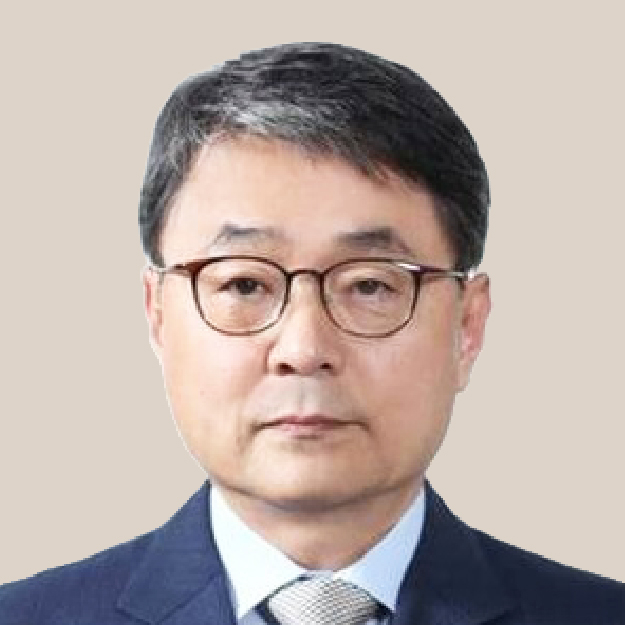
Professor, PyeongTaek University
- Speaker ㅣ 강사소개
-
이항구 교수는 30년 이상 국내외 자동차 산업을 연구해 온 자타공인 대한민국 최고의 미래차·모빌리티 산업 전문가이다. 현재 평택대학교에서 특임교수로 강단에 서며, 미래 모빌리티 강의를 진행하고 있다.
주요 약력 및 경력
· 산업연구원(KIET): 약 34년간 재직하며 국가 자동차 산업 정책 입안 및 법제화 주도
· 호서대학교: 기계자동차공학부 교수 역임
· 한국자동차연구원: 연구위원으로 활동
· 자동차융합기술원: 제9대 원장 역임(2023년 ~ 2024년)
· 평택대학교: 특임교수로 활동
- Abstract ㅣ 초록정보
-
전기차(EV) 산업이 캐즘(Chasm)을 지나고 있습니다. 글로벌 EV 시장은 미국의 연비 규제 완화와 구매 세액 공제제도 종료, 중국의 세제 혜택 감소 등에 따라 감소하고 있습니다. EU의 Industrial Accelerator ACT(산업가속화법)는 역내 생산 및 원산지 규정 강화를 요구하면서 역외 기업에 부담으로 작용하고 있습니다. 미국과 중국의 EV 수요가 감소한 가운데 완성차 업체들은 중국 업체들과의 가격 경쟁에서 밀리고 있습니다. EU에서는 독일과 프랑스의 구매 보조금 확대에 힘입어 EV 수요가 증가하겠지만, 미국 시장은 감소할 전망입니다. 중국은 내수 부진을 수출로 만회하면서 동시에 혁신 투자를 확대할 것입니다.
국내 기업들은 EV 산업에서 경쟁력을 확보했지만, 중국의 수출 경쟁력에 대응하면서 모델을 다양화해야 합니다. 배터리 산업은 중국의 희토류 장악으로 인해 공급망 불확실성이 확대될 수 있습니다. 이러한 어려움은 2028년까지 이어질 것으로 예상하며, 3년간의 부진을 거친 이후 EV 산업은 본격적인 성장세에 돌입할 전망입니다. 이에 따라 배터리 3사 간의 전략적 제휴도 필요한 시점입니다.
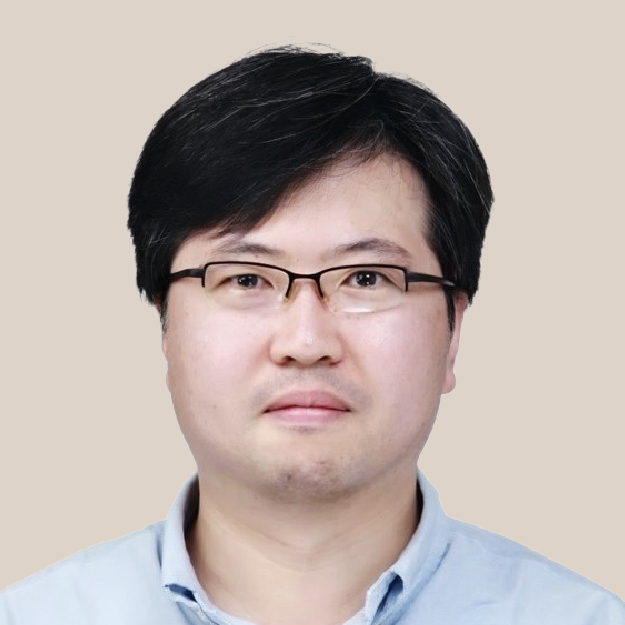
Professor (full), School of Smart Mobility, Seojeong University
- Speaker ㅣ 강사소개
-
- 서정대학교 스마트모빌리티 학부 전임 교수(현) (2018 - )
- 20대 대통령직 인수위원회 과학기술교육분과 전문위원 (2022)
- ‘그린카 콘서트’ 저자 (2011)
- 차세대 전지 이노베이션 센터 센터장 및 운영위원장 (2005- 2007)
- 차세대 전지 성장동력 사업단 총괄간사 및 기술총괄 (2003- 2007)
- 한국전자기술연구원 차세대전지연구센터 초대 센터장 (- 2007)- Full-time Professor, School of Smart Mobility, SeoJeong University (2018–present)
- Expert Committee Member, Science, Technology and Education Subcommittee, 20th Presidential Transition Committee (2022)
- Author, Green Car Concert (2011)
- Director and Steering Committee Chair, Next-Generation Battery Innovation Center (2005–2007)
- Executive Secretary-General and Chief Technology Officer, Next-Generation Battery Growth Engine Project Group (2003–2007)
- Founding Director, Next-Generation Battery Research Center, Korea Electronics Technology Institute (KETI) (until 2007)
- Abstract ㅣ 초록정보
-
지정학적 위기가 심화되면서 차량 전자화와 전기차 산업의 향후 방향성은 어느 때보다 불확실해지고 있습니다. 이와 밀접하게 연결된 첨단 이차전지 산업 역시 기술, 시장, 공급망 측면에서 복합적인 전환 국면에 놓여 있습니다.
본 세션에서는 발표자의 2011년 저서 『그린카 콘서트』에서 제시했던 미래 전망을 현재의 산업 현실과 비교하고자 합니다. 이를 바탕으로 미래 자동차 산업의 전개 방향을 살펴보되, 피지컬 AI의 핵심 축인 고도 자율주행과 첨단 차세대 이차전지 기술 및 산업을 정합적으로 분석하겠습니다. 이를 통해 향후 변화의 방향을 보다 현실적으로 전망해보고자 합니다.Amid deepening geopolitical risks, the future direction of vehicle electrification and the electric vehicle industry has become more uncertain than ever. The advanced secondary battery industry, which is closely linked to these developments, is also undergoing a complex transition across technology, markets, and supply chains.
This presentation compares the future outlook presented in the speaker’s 2011 book, Green Car Concert, with the current state of the industry. Based on this comparison, it examines the future trajectory of the automotive industry, with a coherent analysis of advanced autonomous driving - a core component of Physical AI - and advanced next-generation secondary battery technologies and industries.
Through this analysis, the presentation aims to provide a realistic outlook on the direction of future change.